

Key Takeaways: Managing Withdrawal
- Understand the Source: Withdrawal symptoms are a biological response to neuroadaptation, not a lack of willpower.
- Assess Your Risk: Use the “Substance + Health + Environment” formula to determine if you need medical detox.
- Know the Signs: Symptoms vary widely—from mild flu-like aches with opioids to life-threatening seizures with alcohol.
- Act Safely: If you experience confusion, hallucinations, or rapid heart rate, seek immediate medical supervision.
What Happens When Your Body Adapts to Withdrawal Symptoms
How Substances Change Your Brain Chemistry
Let’s start by understanding what happens inside your brain when you use substances. Every time you drink alcohol, take a prescription medication, or use another mood-altering substance, your brain’s chemistry shifts. These substances interact with your brain’s communication system, especially the pathways that manage pleasure, motivation, and stress. Over time, your brain adapts to these repeated changes by adjusting its own natural chemical balance—this process is called neuroadaptation.
“Your brain works to restore balance by producing less of its own natural calming chemicals. As a result, you may need more of the substance to feel the same effect.”
For example, drugs like opioids and benzodiazepines attach to specific receptors in your brain, causing a surge of calming or euphoric feelings. Stopping suddenly can trigger withdrawal symptoms because your brain isn’t producing enough of the natural chemicals on its own yet1.
This adaptation isn’t about willpower—it’s your body’s attempt to keep things stable. Recognizing these changes helps you understand why withdrawal symptoms are real and not a sign of weakness. Scientists have found that abrupt changes in substance use can leave your brain struggling to regain its natural balance, which is why withdrawal symptoms can range from mild to severe and may require medical support1.
Knowing how substances change your brain chemistry sets the stage for recognizing how withdrawal can look and feel so different from one person to another. Next, we’ll explore how withdrawal symptoms may show up, from minor discomfort to serious medical emergencies.
From Mild Discomfort to Medical Emergency
As your body adapts to regular substance use, withdrawal symptoms can show up on a wide spectrum. For some, they may be as simple as annoying but manageable signs that your system is adjusting. Others experience far more intense effects. Common progressions include:
- Mild: Headaches, irritability, or trouble sleeping.
- Moderate: Rapid heartbeat, sweating, shaking, or flu-like aches.
- Severe (Emergency): Hallucinations, severe confusion, seizures, or dangerously high blood pressure.
This is especially true for alcohol and benzodiazepine withdrawal, where sudden quitting without medical help can be life-threatening1. It’s natural to wonder why withdrawal symptoms are so unpredictable. The answer lies in the unique way each person’s brain and body respond to change, plus the specific substance involved.
For example, caffeine withdrawal might bring a few days of fatigue and headaches, while alcohol withdrawal can, in rare cases, progress to delirium tremens—a state marked by confusion, agitation, and hallucinations that requires immediate medical attention2. If you notice symptoms like confusion, trouble breathing, chest pain, or seizures, don’t wait—reach out for emergency medical support right away. Even if your symptoms are mild, tracking them helps you and your care team decide if extra support is needed.
Recognizing Withdrawal Symptoms Across Substances
Alcohol and Benzodiazepine Withdrawal
Let’s walk through a quick self-checklist to spot alcohol and benzodiazepine withdrawal symptoms. Ask yourself if you have experienced the following:
- Do you feel shaky, sweaty, or anxious after missing a dose or a drink?
- Have you noticed trouble sleeping, nausea, or rapid heartbeat?
- Are you experiencing confusion, hallucinations, or disorientation?
- Have you had any seizures or severe agitation?
If you checked one or more boxes, it’s a sign your body is reacting to the absence of alcohol or benzodiazepines. These withdrawal symptoms can start within hours of your last use and peak over the first 24–72 hours, though milder symptoms can linger for a week or more2.
| Substance | Typical Onset | Primary Risks |
|---|---|---|
| Alcohol | 6–12 hours after last drink | Tremors, sweating, irritability, Delirium Tremens (fever, confusion, high BP)2. |
| Benzodiazepines | 1–4 days (depending on half-life) | Muscle pain, panic attacks, psychosis, seizures. Requires gradual tapering4. |
Alcohol withdrawal symptoms often begin with tremors and sweating. The most serious form, called delirium tremens, can be life-threatening if untreated. Benzodiazepine withdrawal shares many of these symptoms. Medical experts consistently recommend gradual tapering and close monitoring because suddenly stopping these substances can be extremely risky4.
This approach works best when you’re honest about your symptoms and reach out for help early. Even if you’re experiencing mild withdrawal symptoms, connecting with a care team right away is a strong, proactive move.
Opioid, Cannabis, and Other Substances
Let’s use a simple assessment to recognize withdrawal symptoms related to opioids, cannabis, and other substances:

- Have you noticed muscle aches, runny nose, yawning, or anxiety after stopping opioid use?
- Are you experiencing chills, stomach cramps, nausea, or trouble sleeping?
- After stopping cannabis, do you feel unusually irritable, restless, or have sleep problems?
- Have you had headaches, appetite changes, or intense dreams when cutting back on marijuana?
- Do you notice symptoms like sweating, agitation, or mood swings with other substances such as stimulants or prescription medications?
If you identified any of these, your body may be signaling withdrawal symptoms. With opioids, symptoms often show up within 12–24 hours of the last dose, peaking around 72 hours, and can include muscle pain, goosebumps, or diarrhea. While opioid withdrawal is rarely life-threatening, it can feel overwhelming and greatly disrupt daily life3.
Cannabis withdrawal is more common than many realize. About 47% of regular marijuana users experience symptoms like anxiety, sleep problems, and irritability after quitting8. These withdrawal symptoms usually appear within a week and can linger for up to two weeks. Other substances—such as stimulants or antipsychotic medications—might trigger unique symptom patterns, including fatigue, mood changes, or movement issues, especially if stopped suddenly6.
Consider this route if you’re managing withdrawal symptoms from non-alcohol, non-benzodiazepine substances: tracking your symptoms daily and seeking guidance early helps you stay on top of your well-being. Up next, you’ll learn how to assess your personal risk level for withdrawal and when to seek extra support.
Assessing Your Risk for Severe Withdrawal Symptoms
Understanding your personal withdrawal risk level helps you make informed decisions about the safest path forward. Your risk level falls into three key categories: substance factors (what you’ve been using and how much), health factors (your medical and mental health history), and environmental factors (your support system and living situation). By examining each category, you can determine whether you’re at low, moderate, or high risk—and whether home-based withdrawal is safe for you.
Click to Expand: Risk Assessment Factors
1. Substance Factors: If you’ve been drinking more than 8 drinks daily for men or 6 for women over several weeks, or using benzodiazepines daily for longer than 4 weeks, you’re entering high-risk territory. These substances create physical dependence that can lead to dangerous complications like seizures when stopped abruptly. Polysubstance use—combining alcohol with benzodiazepines, opioids, or other drugs—significantly elevates your risk.
2. Health Factors: Pre-existing medical conditions like heart disease, diabetes, seizure disorders, or liver problems can turn a moderate-risk withdrawal into a high-risk situation requiring hospitalization. Mental health conditions such as anxiety, depression, or PTSD may intensify during withdrawal.
3. Environmental Factors: Do you have someone who can monitor you around the clock for at least 3-5 days? Is your home environment stable and free from substances and triggers? Can you reach emergency medical care within 15 minutes if complications arise?
Ask yourself these critical questions to assess your risk level:
- Have I been using daily for more than 3 months?
- Have I experienced withdrawal symptoms (shaking, sweating, anxiety) when I’ve missed doses?
- Do I have any medical conditions or take medications that could complicate withdrawal?
- Have I had seizures, hallucinations, or severe confusion during past withdrawal attempts?
- Am I using multiple substances?
- Do I have 24/7 supervision available?
If you answered yes to the first four questions, you’re likely at high risk and need medical detox. If you answered yes to only one or two, you may be at moderate risk—medical consultation is still strongly recommended. Low-risk individuals typically have brief, light use patterns with no medical complications and strong support systems.
Be honest with yourself during this assessment. Underestimating your withdrawal risk level to avoid professional treatment can have life-threatening consequences. When in doubt, err on the side of caution and seek medical guidance to ensure your safety throughout the withdrawal process.
Evidence-Based Management Strategies
Medical Supervision and Pharmacotherapy
When you’re facing withdrawal symptoms, having medical supervision can make all the difference between a safe recovery and serious complications. Use this decision logic to evaluate your needs:
IF (Symptoms == Moderate to Severe)
   OR (History of Seizures/Hallucinations)
   OR (Substance == Alcohol OR Benzodiazepines)
THEN
   Seek Medical Supervision Immediately
ELSE
   Consult Healthcare Provider for Outpatient Plan
If you fall into the “Seek Medical Supervision” category, this approach is ideal for anyone at higher risk—especially with alcohol or benzodiazepines, where untreated withdrawal can be life-threatening1, 2. In these cases, you may receive medications to ease symptoms and protect your health. For example, clinicians use gold-standard tools like CIWA-Ar and COWS to monitor withdrawal symptoms and guide medication choices2.
FDA-approved options include buprenorphine, methadone, and naltrexone for opioid withdrawal, and benzodiazepine tapers for those discontinuing long-term use10, 4. Medical supervision and pharmacotherapy offer a path forward when withdrawal symptoms feel overwhelming or risky. Every step you take to protect your safety is a step toward lasting wellness.
Integrated Support for Lasting Recovery
Integrated support can be the key to building lasting recovery as you move through withdrawal symptoms and beyond. Here’s a practical tool you can use:

Integrated Support Planning Checklist:
- Do you have access to recovery housing, peer support groups, or regular counseling?
- Are you connected to resources that help with employment or life skills?
- Do you have a plan for staying engaged after the initial withdrawal phase?
If you answered yes to one or more, you’re already laying a strong foundation for your journey. Research shows that people living in recovery housing experience 65% abstinence at two years—more than double the rate of those in usual continuing care7. These environments also lead to higher employment and lower rates of incarceration, supporting the whole person, not just managing withdrawal symptoms.
This strategy suits anyone who wants more than just symptom relief. Combining clinical care with housing, peer mentorship, and life-skills support helps protect against relapse, manage post-acute withdrawal, and build confidence in daily life. Every supportive connection you make—whether it’s a mentor call, group meeting, or new job—brings you closer to lasting wellness.
Frequently Asked Questions
Can I manage withdrawal symptoms at home, or do I need professional help?
You might wonder if managing withdrawal symptoms at home is safe or if you need professional help. The answer depends on your personal health and which substance you’re withdrawing from. For mild withdrawal symptoms—like headaches, mild anxiety, or sleep trouble—some people can safely manage at home with trusted support. But if you’ve used alcohol, benzodiazepines, or opioids regularly, or have had severe symptoms before, it’s safer to seek medical supervision. Complications such as seizures, hallucinations, or dangerously high blood pressure can develop quickly and may be life-threatening, especially with alcohol or benzodiazepine withdrawal1, 2. When in doubt, reach out for medical advice—your safety always comes first.
How long do withdrawal symptoms typically last for different substances?
Withdrawal symptoms have different timelines depending on the substance and your unique body chemistry. For alcohol, symptoms may start within 6–12 hours, peak at 24–72 hours, and often resolve within a week, though some effects can last longer2. Benzodiazepine withdrawal symptoms may appear within a few days and can linger for weeks or even months, especially with long-term use4. Opioid withdrawal symptoms usually begin 12–24 hours after the last dose, peaking around 2–3 days and easing after about a week3. Cannabis withdrawal symptoms often emerge within a week and can last up to two weeks for most people8. Everyone’s experience is different, so checking in with a care provider if symptoms linger or worsen is always a wise step.
What is post-acute withdrawal syndrome and how does it differ from acute withdrawal?
Post-acute withdrawal syndrome (PAWS) refers to a set of withdrawal symptoms that can last for weeks or even months after the initial, more intense acute withdrawal phase has ended. While acute withdrawal symptoms—like shaking, nausea, or sweating—typically happen in the first few days to a week after stopping a substance, PAWS brings ongoing challenges such as mood swings, trouble sleeping, low energy, and difficulty focusing. These symptoms can come and go, making recovery feel unpredictable at times. PAWS is especially common after stopping alcohol, benzodiazepines, or opioids, and recognizing it means you’re not alone if you still feel off long after acute withdrawal has passed1.
Will I experience withdrawal symptoms if I’ve only been using for a short time?
It’s natural to wonder if withdrawal symptoms can happen even after using a substance for just a short time. While longer or heavier use increases your chances of experiencing withdrawal symptoms, some people do notice mild symptoms after brief periods of regular use—especially with substances like opioids, benzodiazepines, or alcohol1. Your body and brain can start adapting surprisingly quickly, so symptoms like irritability, sleep changes, or anxiety may appear even with short-term use. Everyone’s system is unique, so there’s no guaranteed timeline. If you’re worried about withdrawal symptoms, reach out for guidance—early support can make your next steps safer and less stressful.
How do I choose between outpatient and inpatient programs for managing withdrawal symptoms?
Choosing between outpatient and inpatient programs for managing withdrawal symptoms depends on your unique needs and the severity of your symptoms. Outpatient care can be a good fit if your withdrawal symptoms are mild, you have a strong support system at home, and no history of medical complications. On the other hand, inpatient programs offer 24/7 medical supervision, which is especially important if you’re at risk for severe withdrawal symptoms or have experienced things like seizures, hallucinations, or delirium tremens in the past2. This approach is ideal when safety and round-the-clock care are your top priorities. If you’re not sure which path fits your situation, consult a healthcare professional who can help you assess your withdrawal symptoms and guide your next steps.
Are there medications that can help reduce withdrawal symptoms during recovery?
Yes, there are medications that can help reduce withdrawal symptoms during recovery. For opioid withdrawal symptoms, options like buprenorphine, methadone, and naltrexone are FDA-approved and shown to make the process safer and less distressing10. People withdrawing from alcohol may be given medications such as benzodiazepines, which help prevent severe complications like seizures2. For benzodiazepine withdrawal symptoms, a slow, medically supervised taper is the safest approach and may include switching to a longer-acting medication under a doctor’s care4. While there are currently no FDA-approved medications for cannabis withdrawal symptoms, supportive care and sleep aids may help. Always talk to a healthcare provider about which options fit your situation best—your comfort and safety matter most.
What support systems can help me through withdrawal symptoms and early recovery?
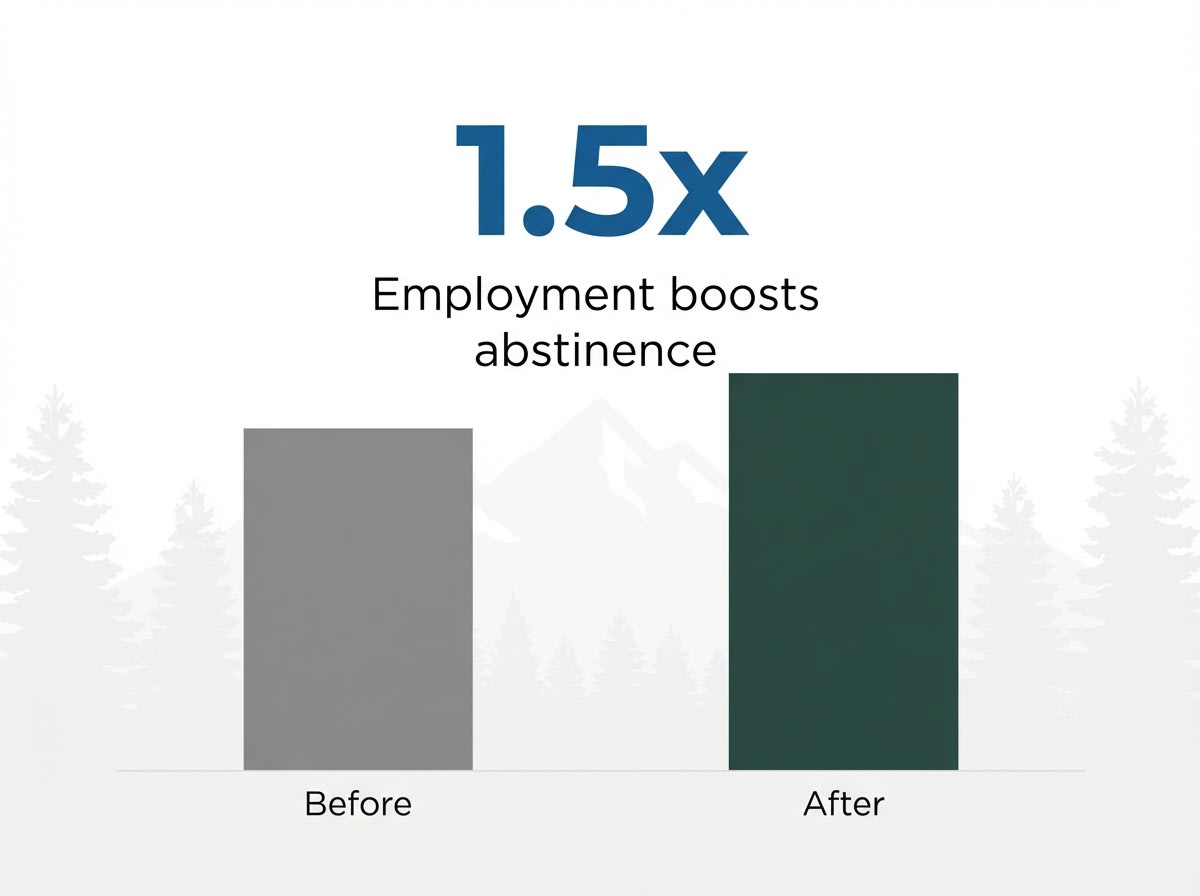
You’re not alone—support systems can make a huge difference as you move through withdrawal symptoms and early recovery. Recovery housing gives you a stable, substance-free place to live, which has been shown to double abstinence rates compared to traditional care at two years7. Regular check-ins with a counselor, joining peer support groups, or connecting with a mentor all help you stay motivated and reduce the risk of relapse. Employment support and life skills programs also boost your confidence and independence, making recovery more sustainable9. Every connection you build is a step toward feeling stronger and more supported.
Your Path Forward: Safe, Supported Healing
Now that you understand your risk level from the assessment above, let’s explore what comes next. The right treatment approach depends on your specific withdrawal risks, medical history, and personal circumstances. Here’s what different levels of care actually provide—and how to determine which path fits your situation.
Medical detoxification offers 24/7 monitoring in a hospital or specialized facility where physicians track your vital signs every few hours, administer medications to prevent seizures or severe withdrawal symptoms, and provide IV fluids if needed. If you identified high-risk factors like heavy daily drinking for years, previous severe withdrawals, or existing health conditions, this level of medical supervision can be life-saving. Outpatient programs, by contrast, involve daily or several-times-weekly clinic visits where you receive medications like naltrexone or acamprosate, counseling sessions, and symptom monitoring while living at home—appropriate if your assessment showed moderate risk with strong home support.
Within the first 24 hours of seeking help, expect an intake coordinator to ask detailed questions about your drinking patterns, conduct a physical exam, and possibly order blood tests to assess liver function and nutritional deficiencies. Treatment teams then create protocols specific to your needs: monitoring blood pressure and heart rate every 4-6 hours during acute withdrawal, administering benzodiazepines on a tapering schedule to prevent complications, providing anti-nausea medication and sleep support, and adjusting interventions as symptoms evolve. This responsive medical care transforms what could be a dangerous process into a managed, safer experience.
Your next step is concrete: call your insurance provider today to ask which detox facilities are in-network, or contact SAMHSA’s National Helpline at 1-800-662-4357 for free, confidential referrals available 24/7. When you speak with treatment centers, ask these specific questions:
- “What medical protocols do you use for alcohol withdrawal?”
- “What’s your staff-to-patient ratio?”
- “How do you handle complications if they arise?”
Making that first call doesn’t commit you to anything—it simply opens the door to information and options. Take this step today, because safe, supported healing is not just possible, it’s waiting for you.
References
- Withdrawal Syndromes – StatPearls – NCBI Bookshelf. https://www.ncbi.nlm.nih.gov/books/NBK459239/
- Alcohol Withdrawal Syndrome – StatPearls – NCBI Bookshelf. https://www.ncbi.nlm.nih.gov/books/NBK441882/
- Review article: Effective management of opioid withdrawal symptoms. https://pmc.ncbi.nlm.nih.gov/articles/PMC6590307/
- Benzodiazepine Tapering – ASAM. https://www.asam.org/quality-care/clinical-guidelines/benzodiazepine-tapering
- Complications of Alcohol Withdrawal: Pathophysiological Insights. https://pmc.ncbi.nlm.nih.gov/articles/PMC6761814/
- A Method for Tapering Antipsychotic Treatment That May Minimize Relapse and Withdrawal Symptoms. https://pmc.ncbi.nlm.nih.gov/articles/PMC8266572/
- Recovery housing for substance use disorder: a systematic review. https://pmc.ncbi.nlm.nih.gov/articles/PMC11922849/
- Marijuana (Weed) Withdrawal: Symptoms & Treatment. https://my.clevelandclinic.org/health/diseases/marijuana-weed-withdrawal
- Does employment status predict addiction treatment outcome?. https://www.recoveryanswers.org/research-post/employment-addiction-treatment-outcome/
- Information about Medications for Opioid Use Disorder (MOUD) – FDA. https://www.fda.gov/drugs/information-drug-class/information-about-medications-opioid-use-disorder-moud