Key Takeaways: Your Decision Guide
- Assess Your Needs: Determine if you require medical detox, residential care, or outpatient support using the ASAM Criteria.
- Verify Financial Coverage: Check if your provider accepts Montana Medicaid (which covers MAT) or private insurance to minimize out-of-pocket costs.
- Choose Your Setting: Decide between local in-person care in hubs like Billings/Missoula or accessible telehealth options for rural areas.
- Check Licensing: Ensure the facility is licensed by the Montana DPHHS for safety and quality assurance.
- Plan for Aftercare: Look for programs that offer step-down care, such as sober living or virtual IOP, to support long-term success.
Navigating the Landscape of Treatment Centers Montana Offers
If you are searching for help with addiction, you are navigating a landscape shaped by both vast geography and a deep commitment to accessible care. Finding the right treatment centers Montana has to offer means connecting with a diverse network of facilities designed to meet your specific level of need—wherever you are located. With communities spread across 147,000 square miles, the state has developed a unique system to bridge the gap between rural living and professional support.
As you explore your options among the treatment centers Montana provides, you will find residential facilities, outpatient counseling centers, medication-assisted treatment providers, and specialized services for co-occurring mental health conditions. Many facilities incorporate proven therapeutic practices while honoring cultural needs, including those of Native American communities who face disproportionate rates of addiction disorders. This means you can find care that respects your background and values.
If you live in a rural area, you may face distinct obstacles—distance to facilities, limited public transportation, and workforce shortages can create real barriers to accessing help. However, telehealth services have expanded significantly throughout Montana, allowing you to connect with counselors and medical professionals without traveling hundreds of miles.
Montana’s addiction treatment providers offer various service levels to match your individual needs:
- Medically Supervised Detox: Provides safe withdrawal management.
- Residential Treatment: Offers intensive, structured support in a therapeutic environment.
- Local Outpatient Services: Allows you to maintain work and family commitments while receiving treatment.
- Sober Living Homes: Provides transitional support as you rebuild your life.
You will also find that the integration of peer support specialists—individuals with lived experience in recovery—has strengthened Montana’s healing community. These professionals offer unique insights and hope as you begin your recovery journey, demonstrating that long-term wellness is achievable for you too.
Understanding Montana’s Unique Challenges
You know firsthand that finding help in Montana comes with its own set of challenges. The sheer size of the state means that many people in rural areas can feel isolated from the treatment centers Montana communities need. While overdose rates are climbing, especially due to fentanyl, the behavioral health workforce is stretched thin and travel distances can be overwhelming for families10.
Financial barriers and limited access to culturally-responsive care for Indigenous and remote populations add extra layers of difficulty. Even so, you are not alone. Local providers and innovative programs are stepping up, offering hope by expanding telehealth services and integrating mental health support.
The Fentanyl Crisis and Overdose Trends
The fentanyl crisis has changed the landscape of substance use in Montana. This sharp rise is especially tough for those already facing barriers to care.
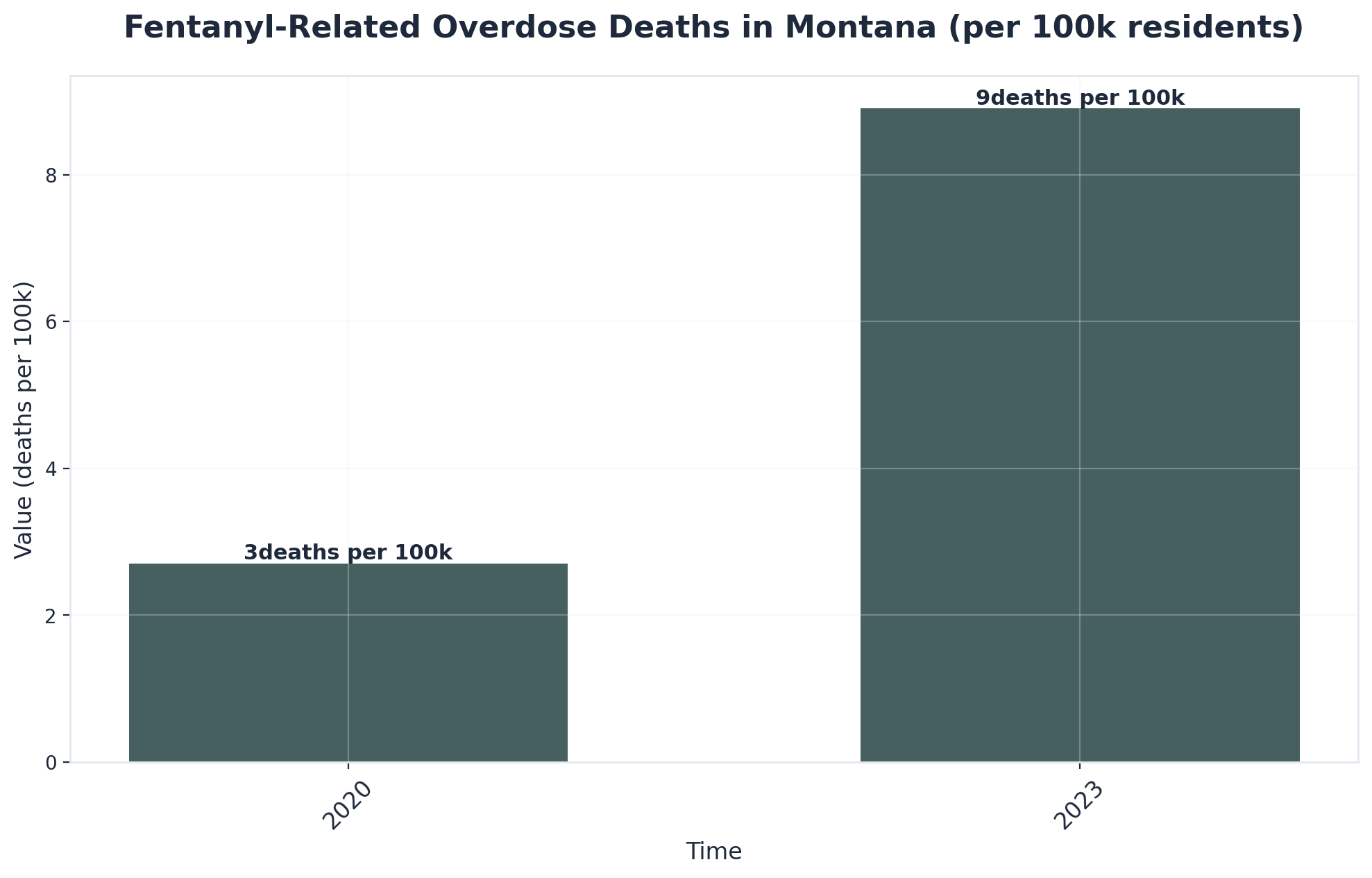
Between 2020 and 2023, the state’s fentanyl-related overdose deaths soared from 2.7 to 8.9 per 100,000 residents—a more than threefold increase that’s touched families in every corner, from the Hi-Line down to the Yellowstone Valley10.
While Montana’s overall drug overdose death rate remains below the national average, the effects are deeply personal. Treatment centers Montana operates are stepping up by expanding overdose prevention education and offering medication-assisted treatment, helping communities respond with compassion and skill. If you or someone you love is struggling, know that effective support is available at drug rehab programs, detox centers, and outpatient services statewide.
Rural Geography and Access Barriers
Living in Montana’s wide-open spaces brings both beauty and real challenges. You might find that traveling to treatment centers Montana has available can mean hours on the road—especially if you are in the Hi-Line, eastern plains, or small mountain towns. Many families feel overwhelmed by these distances, and a shortage of behavioral health professionals adds another layer of difficulty for anyone seeking substance use disorder help.
Thankfully, the expansion of virtual IOPs and telehealth programs is making it easier to stay connected to care, even when you are far from a city5. These options help bridge the gap between rural living and support, making recovery more accessible.
Types of Treatment Centers Montana Offers
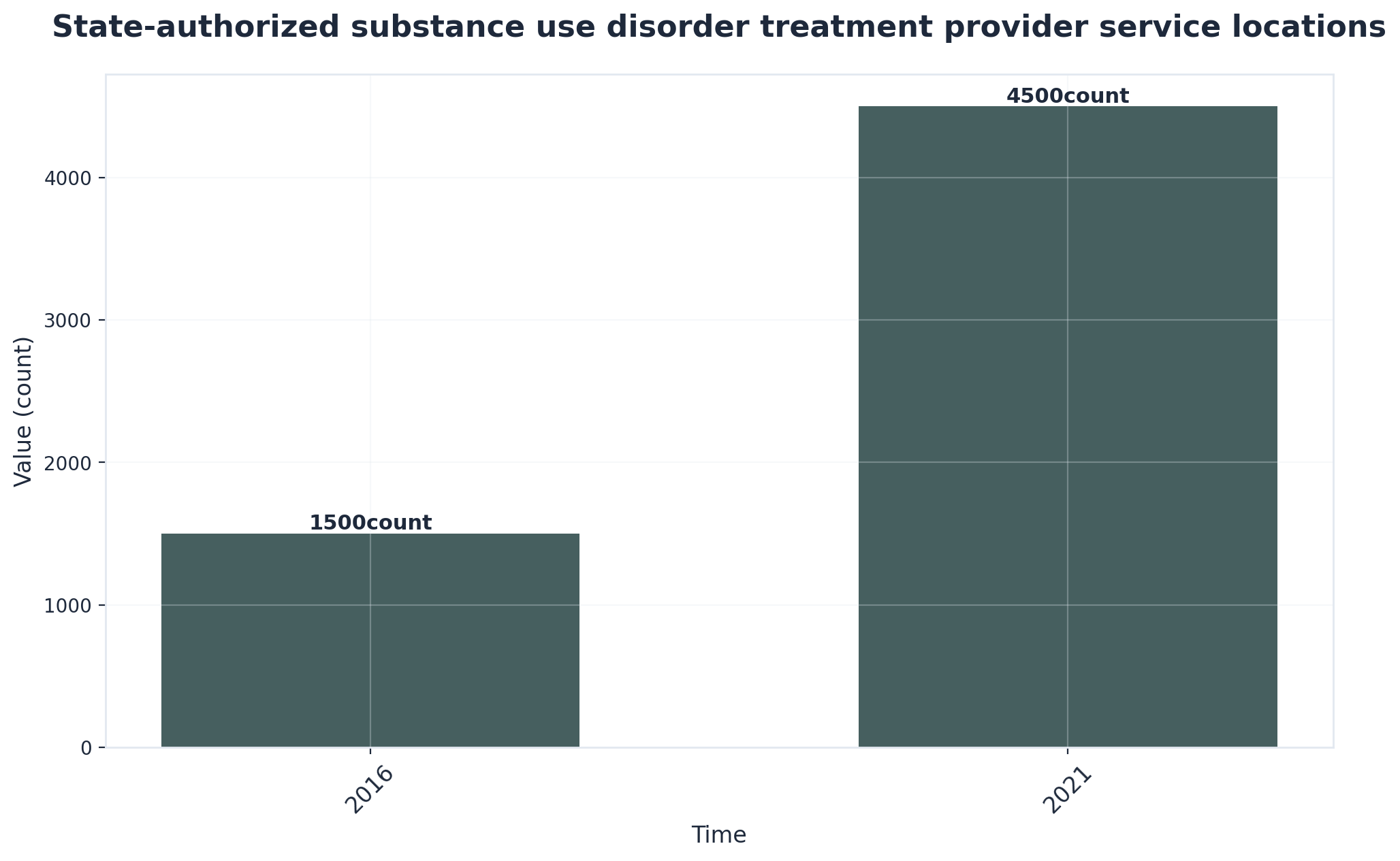
You deserve options that truly fit your life, and that is why Montana’s care network has become so diverse. Today, you will find treatment centers Montana communities trust offering a range of support—residential rehab, partial hospitalization, intensive outpatient, and virtual care. In fact, the number of authorized service locations has grown by 200% since 2016, making help more available from the Flathead Valley to the eastern plains10.
Many Montana drug and alcohol rehab centers use evidence-based therapies like Cognitive Behavioral Therapy and Motivational Interviewing, while telehealth programs help bridge distances for rural families.
| Program Type | Typical Setting | Best Suited For |
|---|---|---|
| Residential / Inpatient | Live-in facility (24/7 care) | Individuals needing medical detox, structure, and separation from triggers. |
| Partial Hospitalization (PHP) | Clinical setting (Day treatment) | Those needing high-level medical monitoring but who can return home at night. |
| Intensive Outpatient (IOP) | Clinic or Virtual (Several hours/week) | People balancing work/school who need robust therapy and support. |
| Telehealth / Virtual | Remote (Video calls) | Rural residents or those with transportation barriers. |
Residential and Inpatient Programs
Residential and inpatient programs at treatment centers Montana offers are designed for those who need a structured, supportive environment to begin recovery. When you enter a residential facility, you will live onsite for a period of time, receiving round-the-clock care and access to therapies like Cognitive Behavioral Therapy and group counseling. These programs are especially important in Montana, where rural distances can make daily travel exhausting.
Facilities in Billings, Missoula, and Great Falls provide a safe space for healing, often blending evidence-based practices with trauma-informed care and peer support. Montana’s commitment to expanding residential rehab has helped increase access by 200% since 2016—a sign of growing hope for families statewide10.
Outpatient and Virtual Treatment Options
Outpatient and virtual programs in Montana give you the flexibility to keep living your life while getting the support you need. Partial hospitalization (PHP), intensive outpatient (IOP), and virtual IOP programs let you attend therapy and group sessions during the day or evening—ideal if you are balancing work, family, or school.
The number of providers offering these options has grown rapidly as Montana responds to the state’s vast distances and limited behavioral health workforce5. These outpatient services are available in major cities and, thanks to telehealth, even in the most remote corners of the state.
State Regulations for Treatment Centers Montana Licenses
When you are choosing a treatment center in Montana, you deserve to know it meets rigorous safety standards that protect your wellbeing. The Montana Department of Public Health and Human Services (DPHHS) oversees licensing and certification for providers statewide, which means you can trust that licensed facilities have demonstrated their commitment to quality care and client safety.
Here is what those regulations mean for you: every counselor working with you has completed rigorous training and maintains ongoing education to provide scientifically validated interventions. When you work with licensed addiction counselors, you are receiving care from professionals who follow clinical standards emphasizing individualized assessment, person-centered planning, and regular progress monitoring throughout your recovery journey.
Montana recognizes multiple service levels—from outpatient counseling to residential programs—so you can access the level of support that matches where you are right now. Each level operates under distinct regulations addressing staffing ratios, facility requirements, and clinical protocols. This structured approach means you will receive appropriate support based on your unique circumstances.
You will also benefit from Montana’s alignment with national best practices established by organizations like the Substance Abuse and Mental Health Services Administration (SAMHSA). When you enter a licensed facility, you will receive research-supported interventions including cognitive-behavioral therapy, medication-assisted approaches, and trauma-informed methods.
Montana DPHHS Licensing Requirements
When you are looking for help at treatment centers Montana families trust, it is important to know these programs are held to high standards. Every facility must be licensed by the Montana Department of Public Health and Human Services (DPHHS), which means they follow strict guidelines for safety, staff qualifications, and clinical care.
The DPHHS requires that all licensed centers use the gold-standard ASAM Criteria to assess and treat substance use disorders, keeping your care evidence-based and individualized1. This regulatory system covers everything from residential rehab to outpatient and telehealth programs, so your path to recovery is backed by consistent oversight.
ASAM Criteria Implementation Statewide
Montana’s adoption of the ASAM Criteria means every treatment center—from detox facilities to virtual IOPs—follows a consistent, science-based approach to care. When you reach out to treatment centers Montana residents trust, you will be assessed using this nationally recognized set of guidelines, which helps providers match you with the right level of support. This statewide standard protects you by ensuring your care is tailored to your unique needs and updated as you progress8.
Recovery Residence Registry Standards
Montana’s Recovery Residence Registry, launched in 2023, sets clear standards for sober living homes to keep you safe and supported on your recovery journey. Now, all recovery residences must be registered with the state, meeting strict requirements for safety, staffing, and resident rights. This means you can expect regular inspections, clear house rules, and accountability if something is not right. The registry ensures that treatment centers Montana residents access are part of a network focused on dignity, health, and long-term success1.
Evidence-Based Practices Across Montana
Evidence-based practices are the backbone of care at treatment centers Montana communities rely on. Across the state, you will find that Cognitive Behavioral Therapy (CBT), Dialectical Behavior Therapy (DBT), and Motivational Interviewing are used to help you build real, lasting change6. Many facilities also offer Medication-Assisted Treatment (MAT), which is now a required benefit under Montana Medicaid, making it easier for you to access proven support for opioid use disorder6.
Cognitive and Dialectical Therapies
Cognitive Behavioral Therapy (CBT) and Dialectical Behavior Therapy (DBT) are at the heart of many treatment centers Montana residents trust for real results. CBT helps you identify unhelpful thoughts and patterns, teaching skills to manage cravings and triggers in daily life. DBT goes a step further, focusing on building stronger emotional regulation and coping strategies when things feel overwhelming. Both therapies are proven to support people with complex needs, including those facing anxiety, depression, or trauma alongside substance use challenges6.
Medication-Assisted Treatment Expansion
Medication-Assisted Treatment (MAT) is making a real difference at treatment centers Montana residents turn to for opioid use support. Thanks to recent changes, Montana Medicaid now requires that MAT be available as a standard benefit, so you can access medications like buprenorphine and methadone along with counseling at many drug and alcohol rehab programs6. This expansion is especially important for people living in rural and remote areas, where traveling to a clinic can be tough.
Regional Access to Treatment Centers Montana Provides
Montana’s vast geography creates unique challenges and opportunities when you are seeking substance abuse care. Spanning over 147,000 square miles, the support available to you varies dramatically depending on where you live. We know that understanding these regional differences—and the real obstacles they create—helps you find the most appropriate and accessible recovery support for your specific situation.
If you are in Western Montana, including cities like Missoula and Kalispell, you will generally find more concentrated resources within closer reach. These areas offer residential facilities, neighborhood-centered services, and specialized programs that do not require extensive travel.
Central Montana brings different realities to your search for help. In cities like Great Falls and Helena, you can access care through hospital-based programs, community mental health centers, and private practices. But we understand that if you are living in rural areas surrounding these hubs, facing a 100-mile drive when you are already struggling can feel overwhelming.
Eastern Montana’s expansive plains create perhaps the most challenging access barriers. We recognize that when the nearest comprehensive program is 200 miles away, the logistics alone can feel like another obstacle to overcome. Your communities have responded creatively, though, relying on regional behavioral health centers, tribal health services, and outreach programs.
Culturally-Responsive Treatment Options
You deserve care that honors your story and community, and that is why culturally-responsive treatment options are growing stronger at treatment centers Montana residents can trust. Many Montana rehab programs now blend clinical best practices with cultural values, especially in partnership with tribal nations and Indigenous leaders. These approaches include Wellbriety circles, traditional healing ceremonies, and support from Native peer mentors—helping you feel respected and understood as you heal4.
In addition, treatment centers across Montana are working to address systemic health disparities, offering services that reflect the unique needs and strengths of local communities9. Whether you are seeking Native-centered support in the Billings or Great Falls area, or looking for programs that respect your cultural background in rural or reservation communities, you will find options designed to welcome everyone.
Indigenous Healing and Wellbriety Programs
Indigenous healing and Wellbriety programs are a vital part of the support you will find at treatment centers Montana communities trust. These programs are built on the wisdom of tribal traditions, blending cultural practices like talking circles, sweat lodge ceremonies, and Wellbriety groups into the recovery journey. Wellbriety—rooted in the idea of living sober and well in mind, body, and spirit—offers you a path where healing is connected to cultural identity and family support.
Addressing Systemic Health Disparities
Addressing systemic health disparities at treatment centers Montana residents rely on means recognizing the barriers that Indigenous and rural communities face—and working hand-in-hand to break them down. Many Montana rehab programs are stepping up by integrating anti-racist, trauma-informed care and supporting you beyond clinical treatment, including help with housing and employment needs9.
Telehealth Solutions for Remote Communities
Living in Montana’s most remote areas does not have to mean going without support—telehealth solutions are now a lifeline for many. Treatment centers Montana residents count on are using virtual care to bring therapy, group sessions, and medication management right to your home, so you do not have to drive hours for help. This approach bridges the gap for rural communities, including those in the Hi-Line and eastern plains, by connecting you with experienced counselors and evidence-based addiction treatment using secure video platforms5.
Virtual PHP and IOP Program Models
Virtual PHP (Partial Hospitalization Program) and IOP (Intensive Outpatient Program) models are transforming access to care at treatment centers Montana residents depend on, especially in rural areas. With a virtual PHP, you can participate in daily therapy, group support, and medication management from home, often five days a week—mirroring the structure of in-person care. Virtual IOP offers a more flexible schedule, typically three to five sessions each week, so you can balance treatment with work or family life.
Technology Requirements and Support
Getting started with virtual care at treatment centers Montana residents trust is easier than you might think. To join online addiction treatment or a telehealth drug rehab session, you will need a few simple tools.
Basic Tech Checklist:
1. Reliable Internet Connection (Broadband or strong 4G/5G)
2. Device: Smartphone, Tablet, or Computer with a camera
3. Private Space: A quiet room for confidential sessions
In rural Montana, where broadband access can be uneven, treatment providers often guide you to local libraries or clinics that offer secure Wi-Fi, ensuring no one is left out of care5.
Major Service Areas and Local Resources
When you are searching for help with addiction in Montana, knowing where to start can feel overwhelming—especially across our state’s vast distances. The good news is that you have options, and understanding where services are concentrated can help you find the right support for your journey.
- Billings: Montana’s largest hub for addiction services, offering multiple residential programs, outpatient options, and specialized support.
- Missoula: A strong recovery center with research-backed approaches and holistic programs connected to the University of Montana.
- Great Falls: Provides crucial access for north-central regions, with programs that recognize the unique challenges of agricultural communities and veterans.
- Helena: The state capital offers state-funded programs and coordination centers to connect you with the right options.
Even if you are in smaller communities like Kalispell, Bozeman, or Butte, you are not alone. You will find local resources and partnerships that can connect you with larger facilities when you need them.
Treatment Centers Montana Cities Offer
When you are searching for help, it makes a difference to know that treatment centers Montana cities offer are tailored to each community’s needs. Billings stands out as a hub for dual diagnosis care, supporting people facing both substance use and mental health challenges with evidence-based treatment and integrated support. In Missoula, Great Falls, and Bozeman, you will find a range of outpatient, virtual, and residential programs—many using Cognitive Behavioral Therapy (CBT), Motivational Interviewing, and Medication-Assisted Treatment to give you practical skills for recovery6.
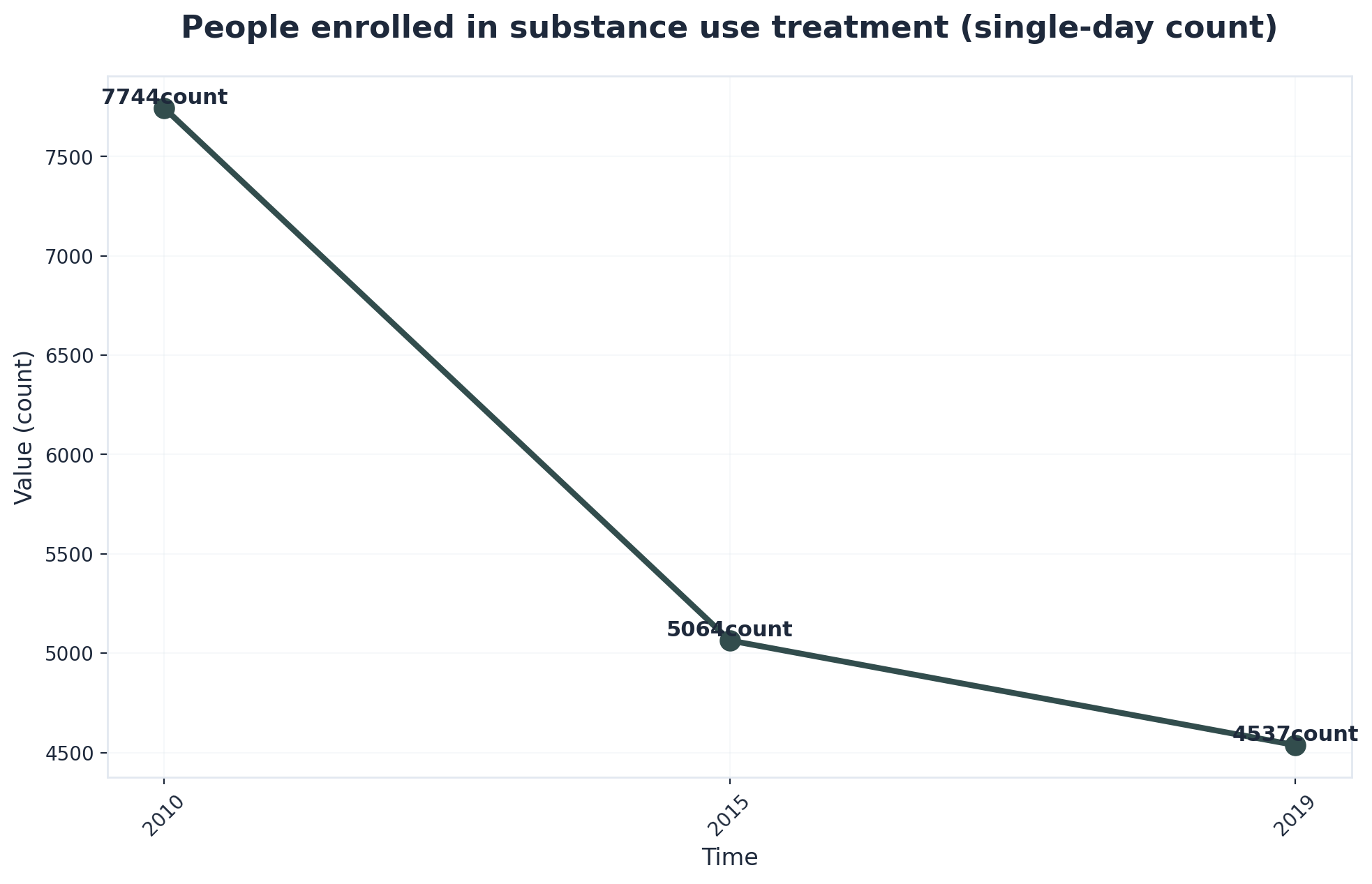
Billings: Dual Diagnosis Hub
Billings has become a beacon for dual diagnosis care, offering you integrated support for both substance use and mental health challenges. Here, treatment centers Montana residents trust are known for blending evidence-based therapies like Cognitive Behavioral Therapy and Medication-Assisted Treatment with strong psychiatric support. This means your care team works together on a plan that fits your whole story—treating depression, anxiety, or trauma alongside addiction.
Missoula, Great Falls, and Bozeman Options
Missoula, Great Falls, and Bozeman each bring their own strengths to Montana’s recovery landscape. In Missoula, you will find a focus on trauma-informed care and a variety of outpatient and virtual programs. Great Falls offers specialized services for Indigenous families and rural communities, blending evidence-based therapies like Motivational Interviewing with culturally-responsive care6. Bozeman is leading the way with innovative virtual IOPs and flexible scheduling, helping you balance treatment with school or work.
State Resources and Financial Assistance
Statewide resources are here to help you get the support you need from treatment centers Montana residents count on. Montana Medicaid now covers Medication-Assisted Treatment (MAT) as a required benefit, making it easier to access proven therapies for opioid use disorder without the stress of overwhelming bills6. If you have private insurance or are uninsured, many treatment centers offer insurance verification services and can guide you through available financial assistance programs.
Montana Medicaid Coverage for Treatment
Montana Medicaid gives you a crucial pathway to affordable addiction care by covering many core services at treatment centers Montana residents rely on. With recent changes, Medicaid now mandates access to Medication-Assisted Treatment (MAT), so you can receive medications like buprenorphine or methadone alongside counseling for opioid use disorder6. This benefit is especially valuable for rural and Indigenous communities, where financial barriers often delay or block care.
Insurance Verification and Cost Guidance
Navigating insurance can feel overwhelming, but you do not have to do it alone. Most treatment centers Montana residents rely on offer dedicated staff to help you verify your insurance benefits and explain what is covered for addiction treatment. Whether you have private insurance or are uninsured, these teams can walk you through your options—helping you understand out-of-pocket responsibilities and available financial aid.
Choosing Treatment Centers Montana Residents Trust
When searching for recovery facilities in Montana, several key factors can guide your decision toward the right fit for your healing journey. The best programs combine proven therapeutic approaches with compassionate care that honors your individual needs and circumstances.
Use this checklist to evaluate potential providers:
- Accreditation: Look for credentials from The Joint Commission or CARF International to ensure high safety standards.
- Clinical Staff: Verify that the facility employs licensed therapists and certified addiction counselors.
- Treatment Approach: Confirm they offer research-backed therapies like CBT, DBT, and trauma-informed care.
- Aftercare Planning: Ask about alumni support and long-term wellness plans.
- Family Involvement: Check if they offer family therapy sessions to strengthen your support system.
Evaluating Dual Diagnosis Expertise
When you are comparing treatment centers Montana offers, it is important to look for true dual diagnosis expertise—meaning care teams who understand how substance use and mental health conditions interact. In Montana, integrated support for challenges like depression, anxiety, and trauma is becoming the standard, especially in places like Billings and Great Falls. Programs grounded in evidence-based therapies such as Cognitive Behavioral Therapy (CBT) and Motivational Interviewing can help you address both substance use and underlying mental health needs6.
Integrated Mental Health and Addiction Care
Integrated mental health and addiction care is at the heart of what sets treatment centers Montana residents trust apart. In Montana, more programs are bringing together teams of addiction specialists, mental health counselors, and medical professionals to address your needs as a whole person—not just one diagnosis at a time. This means you can work on challenges like depression, anxiety, or trauma right alongside substance use, with care plans designed to adapt as you grow.
Trauma-Informed and Holistic Approaches
Trauma-informed and holistic approaches are becoming a cornerstone at treatment centers Montana residents rely on. These programs recognize that trauma often plays a major role in substance use and recovery, so your care team works with you to create a safe, supportive space where your experiences are respected. Providers use therapies that help you manage triggers and build resilience, and many facilities include holistic options like mindfulness, art, or music therapy—services available in over a third of U.S. treatment programs7.
Finding the Right Fit for Your Journey
Finding the right fit among treatment centers Montana offers means honoring your unique journey and what matters most to you. Do you need flexible therapy times, support for your family, or a team that really understands rural life? In Montana, the best drug and alcohol rehab centers listen closely, offering personalized care, trauma-informed support, and flexible options—from evening telehealth to step-down care.
Flexible Scheduling for Working Professionals
Flexible scheduling is a game-changer for working professionals seeking care at treatment centers Montana residents rely on. Many Montana drug and alcohol rehab centers now offer evening intensive outpatient programs (IOPs) and virtual therapy sessions, designed so you can get support without missing work or juggling childcare. These flexible options are popular in cities like Bozeman and Billings and have expanded to reach rural areas thanks to telehealth, helping you stay connected even with a busy schedule5.
Step-Down Care and Recovery Housing Options
Step-down care and recovery housing options can help you keep building confidence after you leave inpatient or intensive outpatient programs. Many treatment centers Montana residents rely on offer step-down options such as sober living homes or supportive group housing, giving you a safe, structured place to continue your recovery while re-entering daily life. With the new Recovery Residence Registry in Montana, you can expect clear safety standards, regular inspections, and a focus on dignity for everyone in these homes1.
Frequently Asked Questions
When you are exploring options for recovery, you likely have questions about what to expect. Understanding the healing process can help you feel more confident as you take this important step toward wellness.
How do I verify that treatment centers Montana offers are properly licensed?
To verify that treatment centers Montana offers are properly licensed, start by checking with the Montana Department of Public Health and Human Services (DPHHS). Every licensed addiction treatment center must meet DPHHS standards for safety, staff qualifications, and clinical care. You can visit the DPHHS Substance Use Disorder Facility Rules page to find an up-to-date list of approved providers or ask the treatment center directly for proof of current licensure. Licensed facilities are required to follow the ASAM Criteria, which ensures consistent, evidence-based care across all levels of treatment in Montana18. This gives you confidence that the drug rehab program or outpatient service you choose meets strict state requirements and is equipped to support your recovery journey.
What is the ASAM Criteria and why do treatment centers Montana licenses use it?
The ASAM Criteria is a set of guidelines developed by the American Society of Addiction Medicine to make sure you get care that fits your personal needs and situation. When you reach out to treatment centers Montana licenses, these programs use the ASAM Criteria to assess your physical, emotional, and social needs—helping your care team recommend the right level of support, whether that’s residential treatment, outpatient care, or virtual options. Montana requires all licensed drug and alcohol rehab centers to follow these standards, so your treatment plan is always grounded in evidence-based practices and updated as you make progress8.
Can I continue working while attending treatment centers Montana provides?
Yes, you can continue working while attending treatment centers Montana provides. Many drug and alcohol rehab centers across the state offer flexible scheduling, including evening intensive outpatient programs (IOPs) and virtual therapy sessions designed for working professionals and busy parents. Telehealth options make it easier to balance your job and family responsibilities, even if you live in a rural area or have a long commute5. By choosing an outpatient or virtual IOP program, you can get the support you need without putting your career on hold.
How do I transition from residential care to outpatient treatment centers Montana offers?
Transitioning from residential care to outpatient treatment centers Montana offers is a positive step that supports your continued growth and independence. Your care team will work closely with you to build a plan that fits your needs, often starting with step-down options like intensive outpatient programs (IOP) or partial hospitalization (PHP). These approaches let you practice new skills in daily life while still receiving structured support—either in person or through Montana’s growing virtual telehealth programs5. You might also consider recovery housing to help bridge the move from 24/7 care to more flexible support.
What financial assistance options are available for treatment centers Montana residents can access?
You have several financial assistance options when it comes to treatment centers Montana residents can access. Montana Medicaid now covers a wide range of addiction treatment services, including Medication-Assisted Treatment (MAT), which is especially helpful for rural or Indigenous families facing extra barriers6. Many drug and alcohol rehab centers also offer support with insurance verification and will guide you through applying for Medicaid or exploring other financial aid programs. If you have private insurance or are uninsured, local navigator programs and treatment providers can help you understand your options and connect you with available support.
How do treatment centers Montana operates address the fentanyl crisis specifically?
Treatment centers Montana operates are taking the fentanyl crisis seriously by expanding evidence-based and compassionate strategies to keep you safe. Many programs now provide overdose prevention education, distribute naloxone, and offer Medication-Assisted Treatment (MAT) with medications like buprenorphine and methadone to help reduce cravings and lower the risk of fatal overdose610. These approaches are available in both in-person and virtual settings, making sure you can access support whether you’re in Billings, the Hi-Line, or a rural community.
What should family members know when helping a loved one choose treatment centers Montana has available?
When helping a loved one choose among treatment centers Montana has available, your support truly matters. Start by listening to their needs, values, and concerns—recovery is most successful when your loved one feels respected and heard. Encourage them to look for programs that offer evidence-based care like Cognitive Behavioral Therapy or Medication-Assisted Treatment and ask about options for co-occurring mental health support and trauma-informed approaches6. It’s also important to consider practical details, such as whether telehealth or flexible scheduling will help your loved one stay engaged, especially in rural areas.
What should I expect during the intake process at treatment centers Montana has available?
When you begin the intake process at treatment centers Montana has available, expect a warm, supportive welcome designed to put you at ease. Intake usually starts with a conversation—either in person, by phone, or virtually—where staff will ask about your health history, current challenges, and any goals you have for recovery. You’ll be guided through a confidential assessment using the ASAM Criteria, which helps the care team craft a plan that truly fits your needs and Montana’s unique landscape8. This is your time to share concerns about mental health, family, or daily life, knowing your experience matters.
Can I access treatment centers Montana provides if I live in a remote area without reliable transportation?
Yes, you can access treatment centers Montana provides even if you live in a remote area or don’t have reliable transportation. Montana’s treatment network has expanded telehealth and virtual intensive outpatient programs (IOPs), bringing therapy, group support, and addiction counseling straight to your home5. All you need is a phone, computer, or tablet and a stable internet connection—plus, many programs will help you get set up or suggest local libraries or clinics with Wi-Fi if home access is tricky.
Will Montana Medicaid cover my treatment at treatment centers Montana operates?
Yes, Montana Medicaid will cover your treatment at most treatment centers Montana operates, as long as the facility is licensed and offers approved addiction services. Montana Medicaid now requires coverage for Medication-Assisted Treatment (MAT), so you can access evidence-based therapies like buprenorphine or methadone, along with counseling and support for opioid use disorder6. This benefit is especially helpful if you live in a rural area or need virtual IOP or outpatient programs.
How do treatment centers Montana offers handle co-occurring mental health conditions?
Treatment centers Montana offers are dedicated to supporting you if you’re dealing with both substance use and mental health concerns. Most Montana addiction treatment programs use integrated care teams—bringing together addiction specialists and mental health counselors—to create a plan that addresses your whole experience, not just one part of it. Evidence-based therapies like Cognitive Behavioral Therapy (CBT) and Dialectical Behavior Therapy (DBT) are widely used, helping you build skills for managing depression, anxiety, or trauma alongside recovery6.
What is the Recovery Residence Registry and how does it protect people seeking sober living in Montana?
The Recovery Residence Registry is Montana’s official system for regulating sober living homes, created to make sure you have a safe and supportive place to continue your recovery after treatment. Launched in 2023, the Registry requires every recovery residence to meet strict state standards for safety, staffing, and residents’ rights. Regular inspections, clear house rules, and accountability measures are built in—so if you choose sober living as part of your path, you know the environment will support your dignity and health1.
Are virtual treatment programs from treatment centers Montana provides as effective as in-person care?
Yes, virtual treatment programs from treatment centers Montana provides can be just as effective as in-person care for many people. Montana’s virtual IOP and telehealth addiction treatment options use the same evidence-based therapies—like Cognitive Behavioral Therapy and Motivational Interviewing—as you’d find at a physical location5. These programs are especially important for rural or remote residents, making support accessible without long travel times.
What technology do I need to participate in virtual programs offered by treatment centers Montana has?
To join virtual programs at treatment centers Montana has, you’ll need a few simple tools: a reliable internet connection, a device like a smartphone, tablet, or computer, and a quiet, private space where you feel comfortable. Many drug and alcohol rehab centers in Montana use secure video platforms for virtual IOP and telehealth addiction treatment, so having updated software or apps on your device is helpful. If you live in a rural area and internet access is tricky, some providers will guide you to local libraries or clinics offering secure Wi-Fi, making sure distance doesn’t keep you from care5.
How can I find culturally-responsive treatment centers Montana offers for Indigenous communities?
To find culturally-responsive treatment centers Montana offers for Indigenous communities, start by asking about programs that partner with tribal leaders, offer Wellbriety circles, or include traditional healing practices such as talking circles and sweat lodge ceremonies. Many Montana drug and alcohol rehab centers now blend clinical care with cultural values, especially in regions like Billings, Great Falls, and on tribal lands. Look for treatment centers Montana residents trust that employ Native peer mentors or have staff trained in trauma-informed, culturally-rooted approaches4.
Conclusion: Your Path Forward in Montana
Finding the right path to recovery is a deeply personal journey, and Montana offers a unique combination of natural beauty, proven treatment methods, and supportive communities that can make all the difference. Whether you are considering inpatient services in Billings, counseling and therapy in Missoula, or specialized programs in Great Falls, the resources available throughout Montana provide hope and healing for individuals and families affected by addiction.
Taking the first step toward recovery requires courage, but you do not have to navigate this journey alone. Montana’s treatment facilities offer comprehensive assessments to help determine the treatment intensity that best suits your needs, whether that is medical detoxification, residential treatment, intensive therapy sessions, or ongoing aftercare support. Each person’s recovery timeline and needs are different, and Montana’s diverse treatment options reflect this understanding.
Montana’s commitment to accessible services means that rural communities and urban centers alike have access to quality treatment. From medication-assisted therapies to holistic approaches that incorporate the state’s stunning outdoor environment, you will find methods that address not just the physical aspects of addiction, but the emotional and spiritual dimensions of healing as well.
Recovery is possible, and thousands of people throughout Montana are living proof of that truth. The connections you make, the skills you learn, and the support you receive during treatment can transform your life in ways you might not yet imagine. Whether you are seeking help for yourself or a loved one, reaching out to a Montana treatment facility today can be the turning point that changes everything.
You have already shown incredible strength by researching your options and reading this far—that alone demonstrates your readiness for change. The next step is simply making that first call. The compassionate professionals at Montana’s treatment centers understand what you are going through, and they are ready to answer your questions, address your concerns, and help you find the right program for your unique situation. Your future is worth fighting for, and Montana’s recovery community is ready to walk alongside you every step of the way. You deserve healing, hope, and a life free from addiction—and that journey can begin today.
References
- Rules for Substance use Disorder Facility. https://dphhs.mt.gov/amdd/substance-abuse/sud-facility-rules
- Managing Life with Co-Occurring Disorders. https://store.samhsa.gov/product/Managing-Your-Life-with-a-Co-occurring-Disorder/SMA10-4561
- Montana Rural Telemental Health Program. https://www.childrensalliancemt.org/mt-rural-telemental-health-program
- Culturally-Based Healing to Native Americans. https://whitebison.org/
- Telehealth Models to Address Substance Use Disorders. https://www.ruralhealthinfo.org/toolkits/substance-abuse/3/telehealth-models
- Proposed Medication Assisted Treatment (MAT). https://dphhs.mt.gov/amdd/mat
- The Use of Art and Music Therapy in Substance Abuse Treatment. https://www.ncbi.nlm.nih.gov/pmc/articles/PMC4268880/
- The ASAM Criteria, Fourth Edition. https://www.asam.org/asam-criteria/the-asam-criteria-4th-edition
- Advancing Racial Justice Policy Series. https://www.asam.org/advocacy/public-policy-statements/details/2022/07/20/advancing-racial-justice-in-addiction-medicine-policy-series
- Drug Overdose Deaths in Montana 2014-2023. https://dphhs.mt.gov/publichealth/epidemiology/drugoverdosedeaths