Key Takeaways
- Essential Tools: Insurance card, list of current medications, and a notebook for questions.
- Main Steps:
- Assess your specific mental health and substance use needs.
- Verify facility accreditation and staff credentials.
- Evaluate available therapies and holistic options.
- Confirm flexibility, accessibility, and insurance coverage.
- Outcome: You will confidently select a treatment program that supports your whole-person recovery journey.
Understanding Your Treatment Needs in Rehabs for Addiction
Assessing Co-Occurring Mental Health Conditions
When you are thinking about rehabs for addiction, it is important to look at both substance use and mental health needs. Many people who seek help for substance use also experience conditions like depression, anxiety, or PTSD. These are called co-occurring, or dual diagnosis, conditions. Untreated mental health concerns can make recovery more difficult, so it is helpful to know what you are facing right from the start.
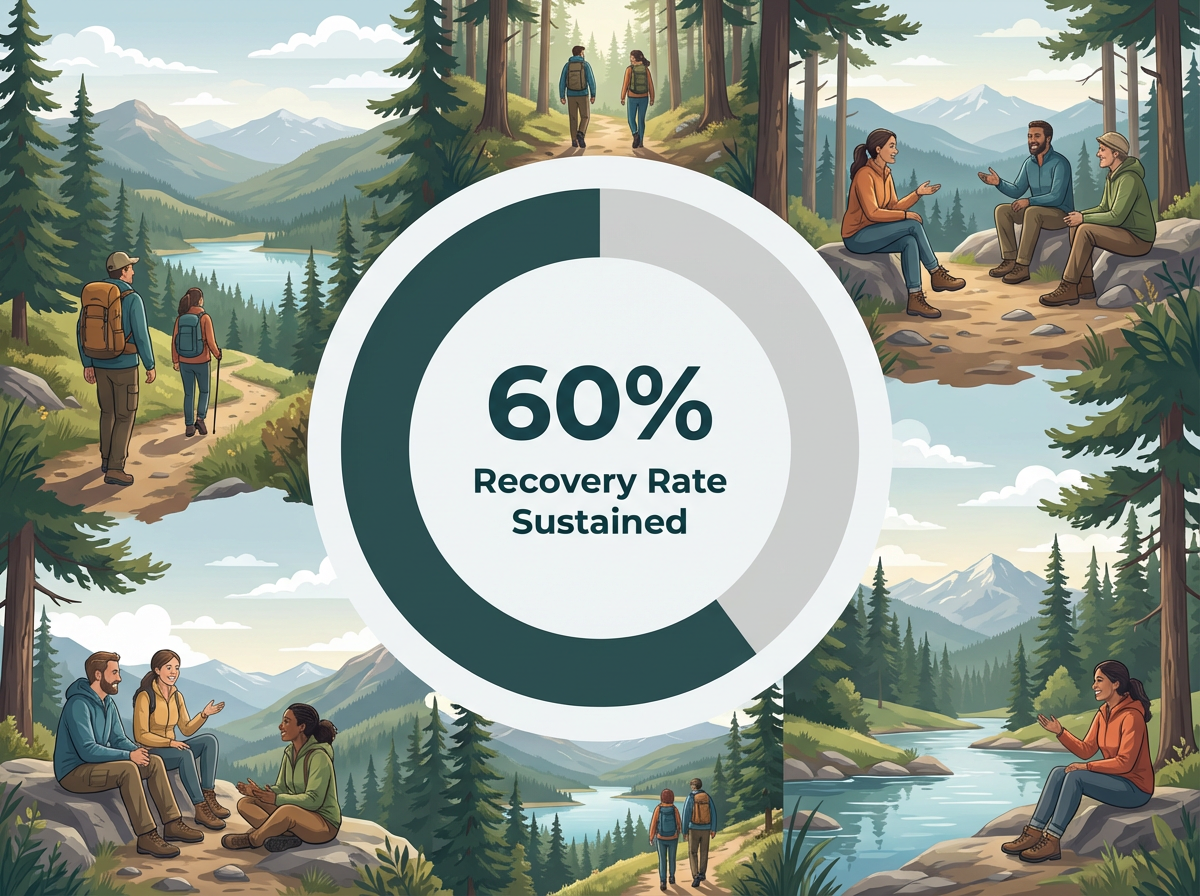
Sadly, most people with both substance use and mental health conditions do not get care for both at the same time. This gap in care can be a significant hurdle.
Research shows only about 9% of people with both challenges receive help for each at once, while over half receive no treatment at all.3
This makes it extra important to ask any potential rehabs for addiction about their experience treating both issues together. Programs that offer integrated care—where mental health and substance use are treated side-by-side—can lead to better outcomes. To assess your own needs, consider if you have ever been diagnosed with, or struggled with, mood disorders, anxiety, or trauma. If you have, look for rehabs for addiction that have dual diagnosis capability.
Don’t be afraid to ask specific questions about how mental health is addressed in treatment. This first step takes courage, and every bit of honesty with yourself helps set the stage for long-term progress. Next, you will want to think about which level of care fits your current situation best.
Determining Your Appropriate Level of Care
Choosing the right level of care is one of the most important steps when looking at rehabs for addiction. Your needs may fall anywhere from outpatient therapy to residential treatment. The American Society of Addiction Medicine (ASAM) Criteria is a tool that many professionals use to help guide this decision. It considers things like the severity of your substance use, your mental and physical health, your living situation, and your risk of withdrawal or relapse.5
| Level of Care | Description | Best Suited For |
|---|---|---|
| Outpatient | Scheduled sessions; you return home afterwards. | Mild symptoms; strong home support system. |
| Intensive Outpatient (IOP) | More frequent sessions per week; you return home. | Need for structure but can manage at home. |
| Residential | 24/7 care; you stay at the facility. | Severe symptoms; need for medical monitoring or safe environment. |
If you have tried outpatient care and found it wasn’t enough, you might benefit from a more structured program. On the other hand, if you have strong support at home and your symptoms are mild, a less intensive setting could be a great fit. It can feel overwhelming to figure out what you need, but asking questions and being open with treatment providers can make the path clearer.
Remember, most people in recovery need more than one round of care before they reach long-term stability—so it is okay if your needs change along the way.6 When searching for rehabs for addiction, pay attention to whether a program offers a range of care levels. This flexibility means you can step up or down as your needs shift, helping you stay supported through every stage.
Step 1: Verify Accreditation and Credentials
When searching for integrated mental health treatment or rehabs for addiction in Montana, verifying a facility’s accreditation and credentials is essential to ensuring you receive comprehensive, coordinated care. Accreditation from recognized organizations demonstrates that a treatment center meets rigorous standards for safety, ethics, and quality of care—particularly important when multiple specialists collaborate on your treatment. Look for accreditation from bodies like The Joint Commission, CARF International (Commission on Accreditation of Rehabilitation Facilities), or state-specific licensing boards.
Start by visiting the facility’s website and checking for clearly displayed accreditation badges or certificates. Legitimate behavioral health treatment centers in Montana will proudly showcase their credentials. If you don’t see this information readily available, contact the facility directly and ask about their accreditation status. Any hesitation or vague responses should raise immediate concerns.
Beyond organizational accreditation, investigate the credentials of the clinical staff. Quality psychiatric and therapeutic care in Montana requires licensed professionals with appropriate qualifications. Look for the following credentials:
- Psychiatrists: Should be board-certified.
- Therapists: Should hold licenses like LCSW (Licensed Clinical Social Worker), LPC (Licensed Professional Counselor), or LMFT (Licensed Marriage and Family Therapist).
- Nursing Staff: Should maintain current RN credentials.
You can verify individual licenses through Montana’s Board of Behavioral Health website or the appropriate professional licensing board. This step takes only a few minutes but provides invaluable peace of mind. Remember that credentials aren’t just letters after someone’s name—they represent years of education, supervised experience, and ongoing professional development that enable effective collaboration in integrated care settings.
Additionally, check if the facility specializes in treating your specific psychological concerns with an integrated approach. A center accredited for general behavioral health treatment in Montana may not have specialized expertise in areas like trauma, eating disorders, or dual diagnosis conditions. Ask about staff training in evidence-based approaches relevant to your situation, such as Cognitive Behavioral Therapy (CBT), Dialectical Behavior Therapy (DBT), or Eye Movement Desensitization and Reprocessing (EMDR). Don’t overlook online reviews and testimonials, but approach them critically, ensuring that positive feedback aligns with proper accreditation and credentials.
Step 2: Evaluate Treatment Approaches Offered in Rehabs for Addiction
Evidence-Based Therapies and MAT Availability
When looking at rehabs for addiction, it is empowering to know you have choices about the types of therapies and support available. One of the most important things is to make sure the program uses evidence-based therapies—these are treatments that have been proven to help people recover. Common examples include:
- Cognitive Behavioral Therapy (CBT): Helps identify and change negative thought patterns.
- Motivational Interviewing: Enhances motivation to change behavior.
- Group Counseling: Provides peer support and shared learning.
These methods aren’t just popular; they are backed by years of research and can help you build real skills to manage life’s challenges. Medication-assisted treatment (MAT) is another key option to look for, especially if you or your loved one is struggling with opioid, alcohol, or nicotine use. MAT combines medication, such as buprenorphine or naltrexone, with counseling and behavioral therapies.
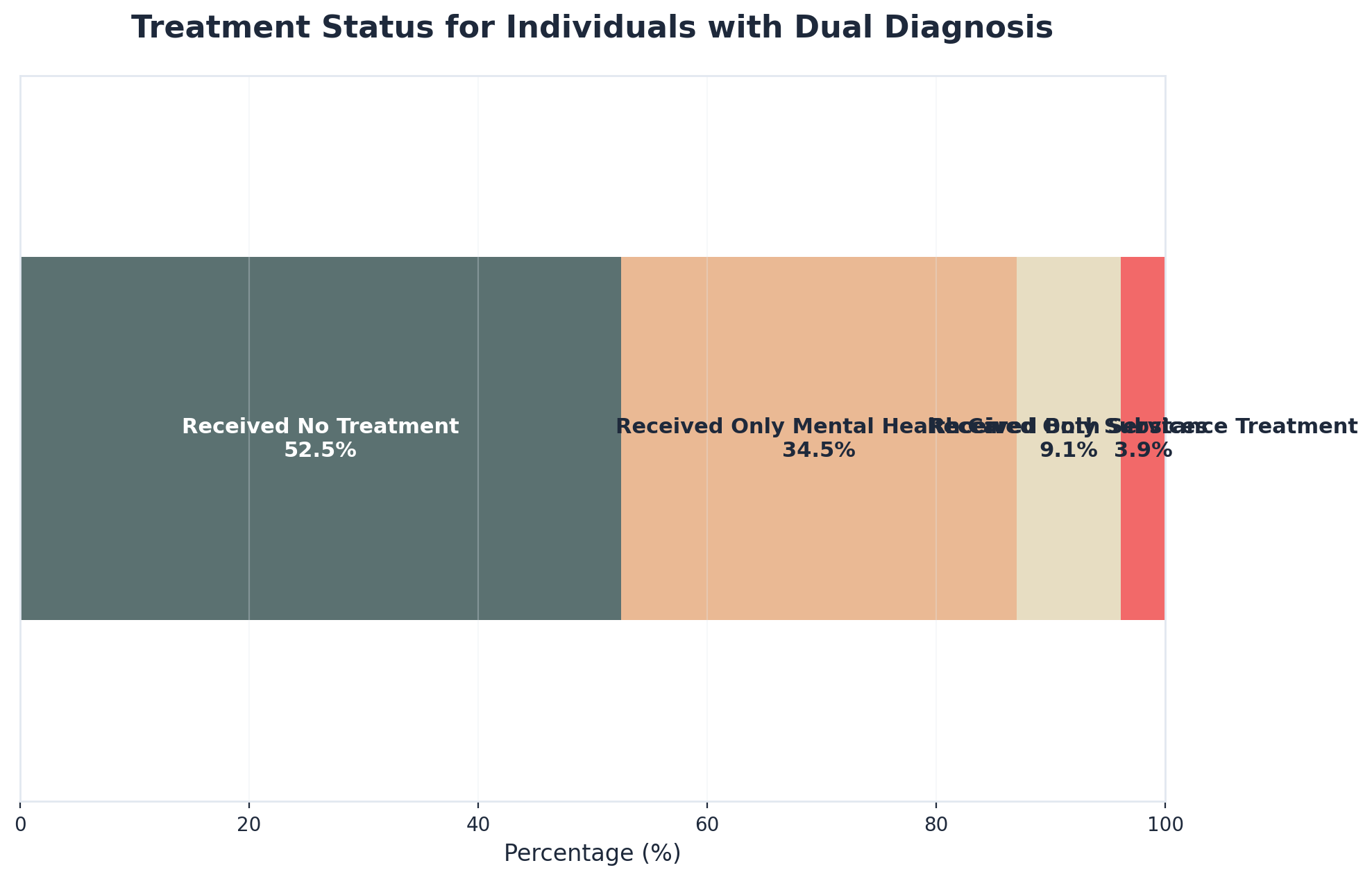
Less than 20% of people with opioid use disorder actually receive MAT, even though it’s shown to save lives and improve treatment outcomes.7
When you are comparing rehabs for addiction, ask if these therapies are offered and if staff are trained in using them. A program that includes both evidence-based talk therapies and MAT, when appropriate, gives you more ways to succeed. Remember, every step you take to find the right support is worth celebrating.
Culturally Competent and Holistic Options
Choosing rehabs for addiction that honor your unique background, traditions, and whole-person wellness can make your recovery journey more comfortable and successful. Culturally competent care means the staff understands and respects your values, beliefs, and lived experiences. If you identify with a specific cultural, racial, or spiritual community, look for programs that offer tailored support—like counselors who share your background or groups that address the distinct challenges faced by people of color.
Research shows that people of color often access treatment at lower rates, partly because they don’t feel these programs reflect or understand their needs.8 When rehabs for addiction invest in diversity training and hire staff from a variety of backgrounds, it helps everyone feel safer and more supported.
Holistic options are another sign of a well-rounded program. These go beyond talk therapy and medication to include services like yoga, mindfulness, nutrition counseling, and art therapy. These practices can help calm your mind, reduce stress, and reconnect you with your body. By caring for your whole self—body, mind, and spirit—you build a stronger foundation for lasting recovery. When you ask about rehabs for addiction, see if they provide opportunities for family involvement, spiritual care, or wellness activities that matter to you.
Step 3: Assess Flexibility and Accessibility
Virtual Treatment and Geographic Barriers
Virtual treatment is opening new doors for people looking at rehabs for addiction, especially if distance or travel is a challenge. If you live far from specialty care, have limited transportation, or feel more comfortable connecting from home, virtual programs can meet you where you are. Research confirms that telehealth for substance use is just as effective as in-person care for most people, making recovery more accessible than ever.9
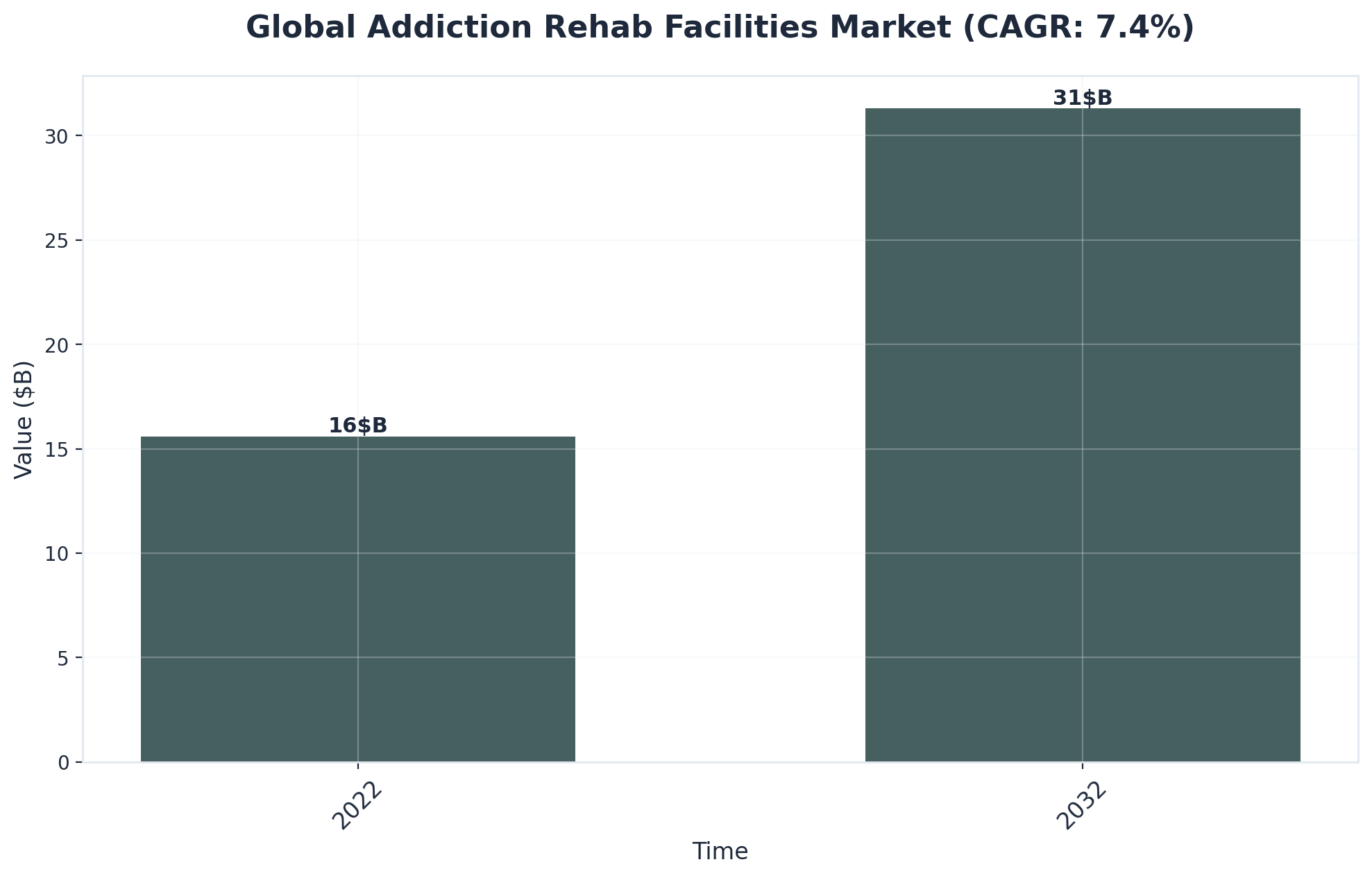
In fact, over 60% of addiction treatment programs now offer virtual services, a dramatic rise that helps bridge gaps for rural communities and those with mobility issues.9 With virtual care, you can join group or individual counseling sessions, check in with your treatment team, and even access medication-assisted treatment—all online. Many people appreciate the privacy and convenience that comes with logging in from home.
Satisfaction rates for online services are high, and flexible scheduling can help you fit treatment into your life instead of the other way around.9 If technology or internet access is a barrier, some rehabs for addiction can help you find solutions, like connecting through your smartphone or using community resources. When considering virtual treatment, ask about security and privacy measures, as well as whether programs offer a blend of online and in-person support.
Scheduling Options for Working Professionals
Balancing work, family, and recovery is a real challenge, but rehabs for addiction are increasingly aware of the needs of working professionals. Many programs now offer flexible scheduling, including evening and weekend sessions, to help you participate in treatment without putting your career or family commitments at risk. Intensive outpatient programs (IOPs) and virtual intensive outpatient programs (VIOPs) often provide sessions outside of standard business hours, making it possible to attend group therapy, individual counseling, and educational workshops after your workday is done.
Some rehabs for addiction also design their curriculums with professionals in mind, offering privacy protections and support for workplace stress. You may find programs that include stress management training, coping skills for work triggers, and help with communicating your needs to employers if you choose to do so. Research shows that flexible and accessible treatment options increase the chances of sticking with recovery, especially for those with demanding schedules.9
When contacting a program, ask about their session times, whether they offer hybrid options, and how they accommodate work or travel obligations. Every adjustment you make to fit treatment into your busy life is a step toward lasting recovery.
Finding Integrated Care in Montana
Now that you understand what credentials to look for, you might be wondering how to actually connect with these qualified professionals in Montana. The good news is that several pathways can help you find integrated care providers who address both your psychological wellness and substance use needs simultaneously.
You can start by contacting your insurance provider to request a list of in-network facilities offering integrated care in Montana. Many insurance companies maintain online directories where you can filter by treatment approach and specialty services. When you call, don’t hesitate to ask specific questions about which providers offer dual diagnosis treatment—the representatives are there to help you navigate your options.
The Montana Department of Public Health and Human Services Addictive and Mental Disorders Division (AMDD) provides referral services and maintains a directory of licensed treatment facilities throughout the state. You can reach their helpline at 1-800-662-HELP (4357), where trained staff can connect you with integrated care options in your area and answer questions about available programs. They understand that reaching out can feel overwhelming, and they’re prepared to guide you through the process with patience and clarity.
Local community behavioral health centers, such as those operated by partnerships like Western Montana Mental Health Center or Eastern Montana Community Mental Health Center, often provide integrated care services or can refer you to appropriate providers. These centers understand Montana’s regional landscape and can help you navigate available resources based on your specific needs and location.
Your primary care physician can also be an excellent starting point for finding integrated care. Many Montana doctors work closely with emotional wellness specialists and can provide referrals to trusted providers who offer comprehensive treatment approaches. Additionally, SAMHSA’s National Helpline (1-800-662-4357) offers a free, confidential, 24/7 treatment locator with searchable databases of integrated care facilities serving Montana communities. When you contact any of these resources, expect to discuss your current challenges, insurance coverage, and location—this information helps them match you with the most appropriate care options.
Remember, taking this step to find qualified, integrated care is itself an act of courage and self-compassion. You’re not just seeking help—you’re choosing a path toward lasting wellness and recovery.
Frequently Asked Questions
What should I do if I experience a relapse during or after treatment?
If you experience a relapse during or after treatment, remember that this does not mean you have failed or that recovery is out of reach. Relapse is common—research shows that 40-60% of people in recovery will face relapse at some point, similar to rates seen with other chronic health conditions 6. Try to treat this moment as a sign to seek support, not as a reason to give up. Reach out to your treatment team, a trusted friend, or a support group. Many rehabs for addiction have aftercare or alumni programs specifically designed to help you get back on track. Each time you ask for help, you’re building resilience and moving closer to lasting recovery.
How can I tell if a rehab facility truly offers integrated dual diagnosis treatment?
To tell if a rehab facility truly offers integrated dual diagnosis treatment, start by asking if both mental health and substance use concerns are treated by the same team at the same time. True integration means you’ll have access to therapists, counselors, and medical staff who work together—sharing information and making a plan that fits all your needs. Only about 18% of addiction programs actually meet the standards for this level of care, so be direct with your questions 2. Look for rehabs for addiction that list dual diagnosis or co-occurring disorder treatment on their website, and ask for examples of how they coordinate care. Your comfort in asking these questions is a big step forward.
What questions should I ask about aftercare planning before choosing rehabs for addiction?
Asking the right questions about aftercare planning is a key part of choosing rehabs for addiction. Before deciding, ask if the facility helps create a personalized aftercare plan for you—this might include ongoing therapy, support groups, or connections to community resources. It’s also important to know when aftercare planning begins; the best rehabs for addiction start discussing your long-term support early in treatment so you’re not left wondering what comes next. Ask whether they offer alumni programs, relapse prevention tools, or family involvement after discharge. Research shows that lasting recovery is more likely when people have structured support after leaving treatment 6. Your voice matters—every question you ask moves you closer to feeling confident and supported.
Is virtual treatment as effective as in-person care for substance use disorders?
Yes, virtual treatment can be just as effective as in-person care for substance use disorders. Research shows that outcomes for people using telehealth services are similar to those attending face-to-face sessions, especially when programs use evidence-based therapies and maintain strong connections between patients and providers 9. Many rehabs for addiction now offer online options, making it easier to access support without needing to travel. Some people even find virtual care more comfortable and convenient, which helps them stick with treatment. Choosing between virtual and in-person care is personal—what matters most is finding a program where you feel supported, safe, and able to participate fully.
How do I verify that a facility’s success rates are accurate when choosing rehabs for addiction?
When choosing rehabs for addiction, it’s wise to ask how a facility measures and reports its success rates. Some programs may define “success” as simply completing treatment, while others track long-term recovery and relapse rates. Because there’s no industry-wide standard for reporting outcomes, numbers can be inconsistent or even inflated 6. To get an accurate picture, ask if the facility uses independent evaluations or follows up with clients after discharge. Look for rehabs for addiction that are transparent about how they collect and share results. Your questions help ensure you’re getting honest information, empowering you to make the best choice for recovery.
What if my insurance doesn’t cover the rehab facility I want to attend?
If your insurance doesn’t cover the rehab facility you want to attend, don’t lose hope. Many rehabs for addiction have financial counselors who can help you explore other options, such as payment plans, sliding-scale fees, or scholarships. You might also check if your insurance will cover part of your care, or if the facility can help you file an appeal with your insurer. Some programs are willing to work with out-of-network benefits, which may reduce your costs. Calling the facility and your insurance provider directly can help clarify what’s possible. Every effort you make to ask questions and seek support is a step forward on your recovery path.1
Can I switch to a different level of care if my initial treatment plan isn’t working?
Yes, you can switch to a different level of care if your initial treatment plan isn’t meeting your needs. Many rehabs for addiction understand that recovery is not a straight path—your needs might change as you move forward, and that’s completely normal. Programs often offer options to step up to more intensive care or step down as you gain stability. This flexibility is part of what helps people stay engaged in treatment and achieve long-term success. Research shows most people need more than one round or level of care before reaching lasting recovery, so it’s okay to ask for adjustments when you need them 6. Your willingness to speak up and make changes is a sign of strength and self-awareness.
Conclusion
Navigating Montana’s behavioral health insurance landscape requires understanding two essential components: verifying your coverage and finding qualified providers who accept your plan. By taking time to confirm your benefits and connect with in-network treatment centers, you are setting yourself up for accessible, affordable care that addresses your specific needs.
Montana’s treatment providers recognize that addressing co-occurring behavioral health and substance use challenges requires comprehensive, coordinated care that treats the whole person rather than isolated symptoms. This integrated approach offers a proven framework for addressing the complex relationship between psychological conditions and substance use, providing you with the support needed to build a healthier future while maximizing your insurance benefits.
Your journey toward recovery doesn’t have to wait. Montana’s integrated care providers stand ready to offer evidence-based treatment, compassionate support, and personalized care plans designed around your unique needs. Start by calling your insurance provider today to verify your behavioral health benefits and request a list of in-network treatment facilities. This simple first step will clarify your coverage, identify your out-of-pocket costs, and connect you with qualified providers ready to support your path toward healing. Finding the right rehabs for addiction is the first step to a new life.
References
- National Helpline for Mental Health, Drug, Alcohol Issues – SAMHSA. https://www.samhsa.gov/find-help/helplines/national-helpline
- Dual diagnosis capability in mental health and addiction treatment – PMC – NIH. https://pmc.ncbi.nlm.nih.gov/articles/PMC3594447/
- Co-Occurring Disorders in Substance Abuse Treatment – PMC – NIH. https://pmc.ncbi.nlm.nih.gov/articles/PMC2200799/
- CARF International – Accreditation for Addiction Treatment. https://carf.org
- About The ASAM Criteria. https://www.asam.org/asam-criteria/about-the-asam-criteria
- Reducing Relapse Risk – Whole Health Library – VA.gov. https://www.va.gov/WHOLEHEALTHLIBRARY/tools/reducing-relapse-risk.asp
- Medications for Opioid Use Disorder | NIDA. https://nida.nih.gov/research-topics/medications-opioid-use-disorder
- Cultural Competency a Key Component of Substance Use Treatment Services. https://www.pew.org/en/research-and-analysis/articles/2021/08/02/cultural-competency-a-key-component-of-substance-use-treatment-services
- The Efficacy of Telepsychiatry in Addiction Patients – PMC – NIH. https://pmc.ncbi.nlm.nih.gov/articles/PMC10213379/
- Blue Distinction Centers for Substance Use Treatment and Recovery | Program Selection Criteria. https://www.bcbs.com/media/pdf/BCBS_Substance_Use_Treatment_and_Recovery_Selection_Criteria.pdf