Key Takeaways
- PHP Montana offers high-level structure with 20+ hours of weekly therapy, ideal for those needing daily medical monitoring or stepping down from inpatient care.
- Intensive Outpatient Programs (IOP) provide flexibility (9-15 hours/week), allowing you to maintain work, school, or family responsibilities while receiving treatment.
- Healing Rock Recovery integrates dual diagnosis support, medication-assisted treatment (MAT), and cultural practices into both program levels.
- Virtual options for both PHP and IOP ensure access to quality care for residents in rural Montana or those with transportation barriers.
- Choosing the right path depends on your medical needs, home stability, and daily obligations; professional assessments help guide this decision.
Understanding IOP and PHP Montana Programs
When exploring addiction treatment options, you’ll encounter two primary tiers of outpatient services: Intensive Outpatient Programs (IOP) and Partial Hospitalization Programs (PHP). Finding the right PHP Montana program or IOP is a critical step that helps you make informed decisions about which treatment intensity best supports your path to wellness.
IOP programs provide structured treatment while allowing you to maintain many of your daily responsibilities. These sessions typically require 9-12 hours weekly, scheduled during evenings or specific days. You’ll participate in group therapy, individual counseling, and educational sessions focused on developing coping strategies and relapse prevention skills. This program works well if you have a stable living environment and strong support system at home.
PHP Montana programs offer more comprehensive support, requiring 20-30 hours weekly. Often called “day treatment,” this approach provides intensive therapeutic intervention without requiring overnight stays. You’ll engage in comprehensive treatment activities during daytime hours, then return home each evening. This structure bridges the gap between residential treatment and traditional outpatient programs.
Both IOP and PHP Montana programs incorporate evidence-based therapies tailored to individual needs. PHP delivers more intensive daily support, making it ideal if you’re transitioning from residential services or need substantial structure during early recovery. IOP provides flexibility for those balancing treatment with work, school, or family commitments while still maintaining therapeutic momentum.
The key distinction between these programs centers on treatment intensity and time commitment. PHP offers nearly full-day therapeutic engagement for those requiring comprehensive support, while IOP provides focused intervention that accommodates ongoing responsibilities. Your selection depends on factors including the severity of your substance use disorder, home environment stability, co-occurring mental health conditions, and previous treatment history.
What Is a Partial Hospitalization Program?
A partial hospitalization program (PHP) is a structured treatment option designed to support people facing mental health or substance use challenges who need more help than standard outpatient care, but not 24-hour hospitalization. In PHP Montana, you participate in therapeutic programming—like group sessions, individual counseling, and skill-building activities—during the day and return home at night.
This approach bridges the gap between inpatient and outpatient care by offering a safe, supportive environment without overnight stays. Most participants attend at least 20 hours of therapy and support each week, providing consistency and stability for those who need it most1. PHP Montana programs often include medication management, relapse prevention, and opportunities for family involvement.
PHP Montana Daily Structure and Hours
In PHP Montana, your day is thoughtfully structured to help you build consistency and a sense of progress. Most programs follow a schedule of 4 to 8 hours each day, 5 days a week, so you can expect to participate in group therapy, individual counseling, and skills-building activities throughout the day. These sessions are led by experienced professionals and often include medication management as well as time for family involvement when appropriate2.
The steady routine of PHP Montana is designed to offer stability and a supportive environment, making it easier to focus on healing. You’ll find that this level of daily structure is often just right for those who need more than weekly outpatient care but don’t require overnight supervision.
Who Benefits Most from PHP Montana
PHP Montana is especially helpful if you’re facing challenges that feel overwhelming in daily life, but you don’t need 24-hour hospital care. This level of support is a great fit if you’re dealing with both substance use and mental health concerns—something known as dual diagnosis—or if you’ve tried standard outpatient therapy but found you need more structure and guidance1.
PHP Montana is also a smart choice when you need daily check-ins, medication management, or a safe place to practice new coping skills before returning home each evening. Family involvement is encouraged, since research shows it can boost your progress and lower barriers to recovery10. If you find that consistency and a higher level of care help you feel more supported, PHP Montana could be the right step.
What Is an Intensive Outpatient Program?
An Intensive Outpatient Program (IOP) is a type of treatment designed for people who need more support than weekly therapy, but don’t require the daily structure of a PHP Montana program. In an IOP, you’ll attend therapy sessions and skill-building groups several times a week, usually totaling 9 to 15 hours. This format helps you stay connected to your community and family while working on recovery goals and learning healthy coping skills1.
IOPs are especially helpful for those balancing work, school, or family obligations, since sessions are often offered in the evenings or on weekends. Both PHP Montana and IOP focus on treating substance use and mental health challenges, but IOPs offer greater flexibility while still providing expert care.
IOP Weekly Commitment and Flexibility
IOP offers a flexible schedule that can fit into your everyday life, making it a strong choice if you have work, school, or caregiving responsibilities. Most intensive outpatient programs involve attending therapy and skill-building groups 3 to 5 days a week, for a total of 9 to 15 hours, so you can still stay connected to your community4.
Unlike PHP Montana, which requires a more intensive daily commitment, IOP lets you choose morning, afternoon, or evening sessions in many cases, supporting your ability to manage life’s demands. This flexibility is especially valuable for those who want to stay engaged in daily routines while working on recovery. Research confirms that virtual IOP services are just as effective as in-person formats, helping more people access care, especially in rural areas4.
Ideal Candidates for IOP Treatment
You might find an Intensive Outpatient Program (IOP) especially helpful if you need more than weekly therapy but still want to stay involved with your work, school, or family life. Ideal candidates for IOP treatment include people who are motivated to recover, have a stable home environment, and do not require daily medical supervision—unlike those needing the structure of PHP Montana1.
IOP is also a good fit for those stepping down from a higher level of care or managing both substance use and mental health concerns in a supportive, flexible setting. Research confirms that IOPs are effective for individuals looking for a balance between structure and independence, and that virtual IOP options have made this type of care more accessible, especially in rural communities4.
Treatment Intensity: PHP Montana vs. IOP
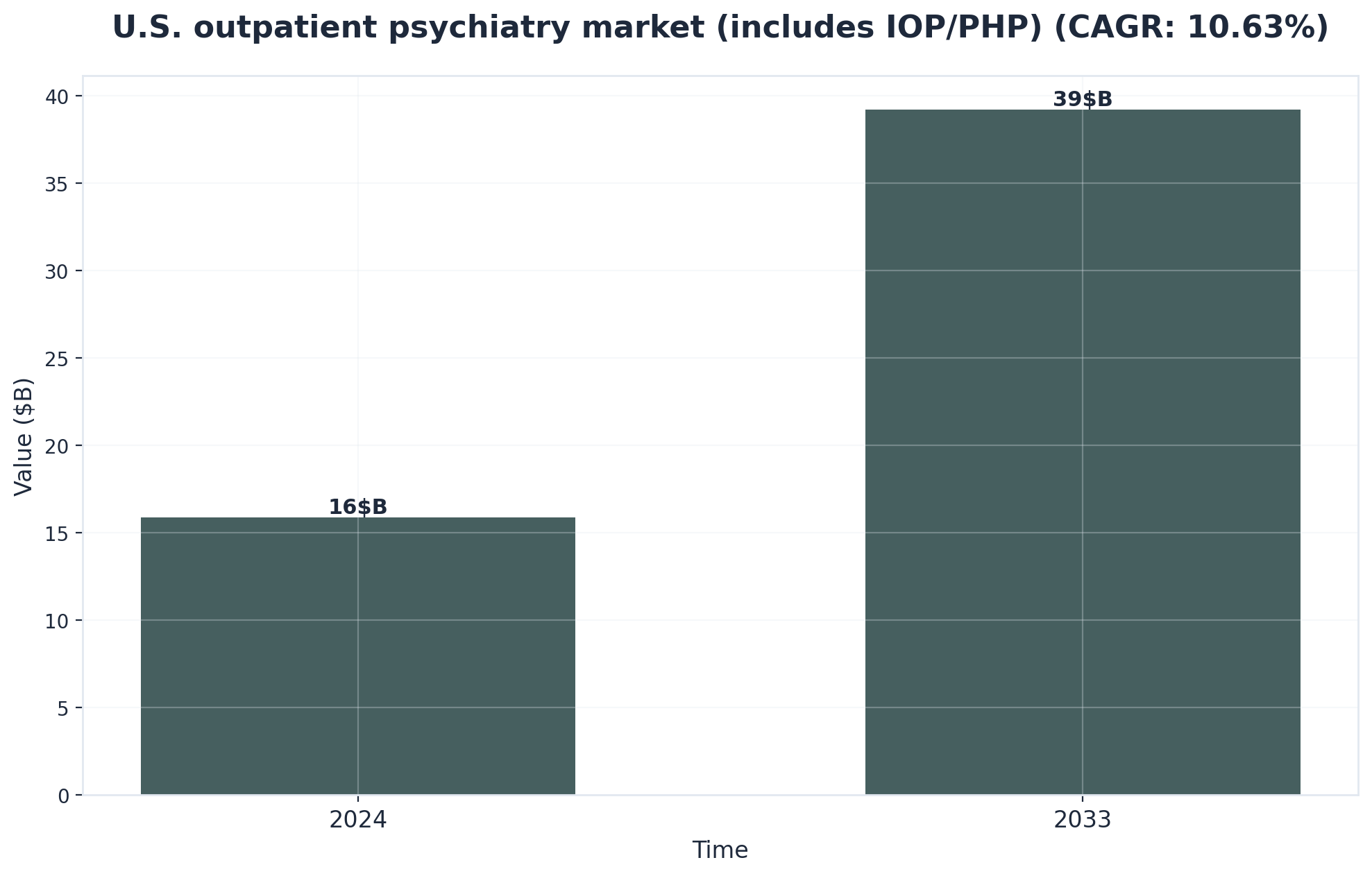
The most significant difference between Partial Hospitalization Programs in Montana and IOP treatment lies in session frequency and time commitment. Understanding these distinctions helps determine which treatment option aligns with your current needs and wellness goals.
| Feature | PHP Montana | Intensive Outpatient (IOP) |
|---|---|---|
| Weekly Hours | 20–30 hours | 9–15 hours |
| Frequency | 5–6 days per week | 3–4 days per week |
| Supervision | Daily medical & clinical monitoring | Regular check-ins; less intensive |
| Work/School | Requires leave of absence (usually) | Can often maintain schedule |
PHP typically requires 5-6 days weekly of participation, with sessions lasting 4-6 hours each day. This structured approach provides comprehensive support during critical early stages or when transitioning from residential treatment. A typical PHP day might include morning group therapy focused on coping strategies, a mid-morning individual counseling session, a psychoeducation workshop on relapse prevention, and an afternoon skills-building group practicing mindfulness techniques.
This concentrated schedule creates momentum by reinforcing concepts multiple times before you return home—when you learn a coping skill in the morning and practice it again that afternoon, the repetition strengthens neural pathways and builds confidence before you face evening triggers alone.
In contrast, IOP meets 3-4 days weekly for approximately 3 hours per session. This reduced schedule offers substantial therapeutic support while accommodating work, school, or family responsibilities. A typical IOP evening might consist of a check-in group, a focused therapy session on a specific topic like emotional regulation, and a closing process group. With more time between sessions, you’ll have extended opportunities to practice new skills in real-world settings and bring those experiences back to process with your treatment team.
Both treatment levels deliver comprehensive, personalized care tailored to each person’s unique circumstances. The PHP track provides rigorous daily structure when maximum support is needed, while IOP offers a balanced approach as you build confidence. Many individuals begin with the higher-intensity program and transition to less demanding treatment as they demonstrate progress and readiness for increased independence.
The treatment intensity that’s right for your situation should reflect current stability, support system, and specific therapeutic needs. PHP works well when significant intervention is required but 24-hour supervision isn’t necessary. IOP becomes appropriate when foundational skills have been established and sobriety can be maintained with less frequent professional support.
Clinical Supervision and Support Levels
When it comes to clinical supervision and support, PHP Montana and IOP offer different experiences tailored to your needs. In PHP Montana, you’ll receive daily guidance from licensed clinicians, supporting you through structured therapy, medication management, and regular progress checks—this level of monitoring can be especially important if you’re managing both substance use and mental health concerns1.
IOP provides expert support as well, but with less frequent supervision between sessions, giving you more independence while still offering a safety net through regular group and individual meetings4. Both programs help you build coping skills and foster accountability, but the higher intensity of PHP Montana means you’re never walking this path alone. Understanding these support differences can help you choose the environment that feels safest and most encouraging for your recovery.
PHP Montana Medical Monitoring Daily
With PHP Montana, you receive daily medical monitoring designed to keep your recovery safe and steady. Licensed professionals check in with you every day, helping manage medications, track symptoms, and respond quickly if your needs change. This hands-on support gives you peace of mind, especially if you’re managing both mental health and substance use challenges, or if your situation would otherwise require inpatient care2.
Medical monitoring in PHP Montana often includes regular assessments and progress reviews, making sure nothing falls through the cracks. Having this consistent clinical attention builds confidence and encourages steady progress. If you’re looking for a setting where your health and wellbeing are closely watched by a caring team, PHP Montana offers just that level of structured support.
IOP Support Between Sessions
In an Intensive Outpatient Program, the support you receive between sessions is designed to help you stay connected and accountable, even when you’re not physically in therapy. While you won’t have daily supervision like in PHP Montana, you’ll still have regular check-ins with your care team and access to group or individual sessions multiple times a week.
Many IOPs use phone calls, secure messaging, or virtual platforms to keep you engaged and supported throughout the week, which is especially helpful if you’re balancing work or family responsibilities4. These ongoing touch points give you space to practice coping skills in real-life situations and then discuss your experiences with your group or therapist during the next session. This approach builds independence while making sure you always have somewhere to turn if you need encouragement or extra guidance.
Therapeutic Services and Modalities
Therapeutic services and modalities are what set PHP Montana and IOP apart, helping you find the right fit for your healing journey. In PHP Montana, you’ll experience a wide range of evidence-based therapies, such as cognitive-behavioral therapy (CBT), group and individual counseling, medication management, and trauma-informed care1.
Intensive outpatient care also offers many of these same therapies but often with a focus on flexible therapy options and skill-building groups that work around your daily life. Both programs support people with dual diagnosis by integrating mental health and substance use treatment, which research shows is the most effective approach for long-term recovery9. While the structure in PHP Montana allows for more frequent sessions and closer monitoring, IOP provides the same quality of therapy in a less intensive, more adaptable format.
Evidence-Based Therapies in Both Programs
Both PHP Montana and intensive outpatient care use therapies that research shows truly work. You’ll find cognitive-behavioral therapy (CBT) in both settings, which is proven to support lasting recovery—one study showed 60% of people with cocaine dependence who received CBT maintained clean screens a year later5. Trauma-informed care is also a key part of these programs, helping you feel safe while you process difficult experiences and learn new coping tools7.
Medication management is available in PHP Montana and in many intensive outpatient programs, making it easier to stabilize your health and focus on healing. Group and individual counseling sessions, skill-building workshops, and relapse prevention planning are all standard, giving you the structure and encouragement needed for progress. Whether you choose PHP Montana or intensive outpatient care, you can rely on these evidence-based options to help you build a stronger foundation for recovery.
Dual Diagnosis Treatment Integration
Dual diagnosis treatment integration is a core strength of both PHP Montana and intensive outpatient care. If you’re facing both mental health and substance use challenges, you deserve support that addresses everything you’re going through—not just one piece at a time. Both PHP Montana and IOP use integrated care approaches, meaning your mental health and substance use needs are treated together, which research shows is the most effective way to support long-term healing9.
This team-based approach helps you build coping skills, manage symptoms, and understand how each part of your experience affects the other. Flexible therapy options and intensive outpatient care are woven into both programs so you can get help that fits your life, whether you need the higher structure of PHP Montana or the adaptability of IOP. Knowing that both levels of care offer true dual diagnosis integration can give you confidence that your whole journey is valued and supported.
Flexibility and Life Balance Comparison
The difference between partial hospitalization programs and intensive outpatient treatment extends far beyond treatment hours—it fundamentally shapes how you’ll navigate daily life during the healing process. Understanding these lifestyle implications helps you choose a program that supports both your wellness and your real-world responsibilities.
Day treatment programs typically require 5-6 days of weekly attendance, with sessions running 4-6 hours daily. This intensive schedule means you’ll need to step back from full-time work or school commitments temporarily. However, many people find this concentrated focus creates momentum in early treatment, allowing them to build a strong foundation before gradually reintegrating other responsibilities.
“The structured environment provides clear boundaries between therapeutic time and personal time, which can actually reduce decision fatigue during a vulnerable period. When you’re struggling emotionally, even small choices—what to eat, whether to answer a text, how to spend an afternoon—can feel overwhelming. PHP removes those daily decisions by providing a consistent framework, freeing your mental energy for the healing work itself.”
IOP services offer significantly more flexibility, meeting 3-4 days weekly for 3 hours each session. This schedule allows many participants to maintain employment, continue education, or fulfill family obligations while receiving treatment. You might attend evening sessions from 6-9 PM after finishing your 9-5 job, or arrange morning programming from 9 AM-noon before heading to afternoon college classes. Some people coordinate with employers for adjusted schedules, attending mid-day sessions and making up hours earlier or later in the week.
Both day programs and structured outpatient care are designed to accommodate real lives. PHP provides intensive support when you need to prioritize wellness above all else, while the flexible outpatient structure helps you practice new skills in real-time as you navigate work, relationships, and daily stressors. The key is matching the program intensity to where you are right now—your current capacity, responsibilities, and support system.
Work and Family Accommodation
Balancing treatment with work and family life is a top concern for many people considering PHP Montana or intensive outpatient care. PHP Montana programs usually require daytime attendance—often 4 to 8 hours a day, five days a week—which means you may need to adjust your work schedule or arrange for extra help at home1. This structure can be ideal if you need a consistent routine and more hands-on support.
Intensive outpatient care, by comparison, is designed with flexibility in mind, offering sessions in the evenings or on weekends to fit around your commitments4. Flexible therapy options and intensive outpatient care make it possible for you to keep up with work responsibilities or participate in family events while still focusing on your recovery. Research shows that these flexible schedules help reduce treatment barriers and improve access for people juggling multiple roles10.
PHP Montana Scheduling for Professionals
PHP Montana is designed with structure in mind, which can be helpful if you’re a professional seeking stability during recovery. Most PHP Montana programs require you to attend treatment four to eight hours a day, five days a week, so scheduling can be a challenge if you work full-time1. Some employers may be able to accommodate a temporary leave or flexible schedule so you can prioritize your health.
For many, this structured routine is just what’s needed to build healthy habits and focus on recovery. While PHP Montana may not offer the same flexibility as intensive outpatient care, its consistent daytime hours support progress, and planning ahead with your workplace can help you balance both responsibilities. If you need daily support, PHP Montana’s structure is unmatched for professionals who can temporarily step back from work to focus on healing.
IOP Evening and Weekend Options
Intensive outpatient care stands out for its evening and weekend options, making it possible for you to receive support without putting your work or family life on hold. Many IOPs in Montana offer flexible therapy options, so you can attend group or individual sessions after typical business hours or on Saturdays. This flexibility is especially important for parents, caregivers, and anyone with a busy weekday schedule.
Research confirms that flexible scheduling in intensive outpatient care helps reduce treatment barriers and keeps more people engaged in their recovery10. By choosing a program with evening or weekend sessions, you can maintain your daily responsibilities while still making progress in treatment. Flexible therapy options and intensive outpatient care highlight how IOP adapts to real-life demands, helping you build a healthier future while staying connected to what matters most.
Virtual PHP Montana and IOP Access
Virtual PHP Montana and intensive outpatient care are changing the way you can access treatment, especially if you live far from major cities or have limited transportation. With secure video sessions and online group support, you can join PHP Montana or IOP from the comfort of home, making flexible therapy options a reality.
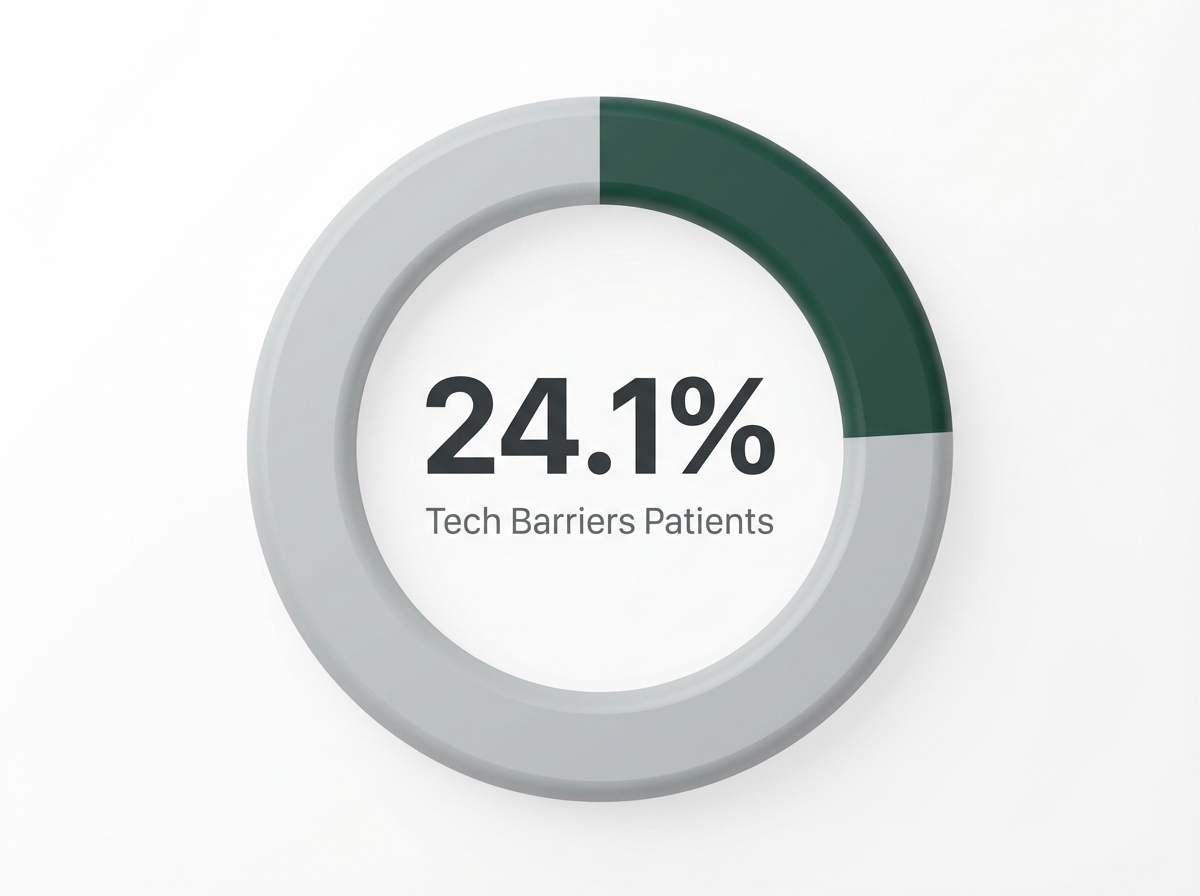
Studies have found that virtual intensive outpatient care and telehealth-based PHP Montana produce outcomes equal to or even better than in-person programs, with fewer hospitalizations and high satisfaction among participants4. While about 24% of people face initial technology barriers, most overcome them with a little help, and the benefits of remote access are clear. Intensive outpatient care and flexible therapy options mean you no longer have to choose between getting help and keeping up with your daily responsibilities.
Telehealth Outcomes and Effectiveness
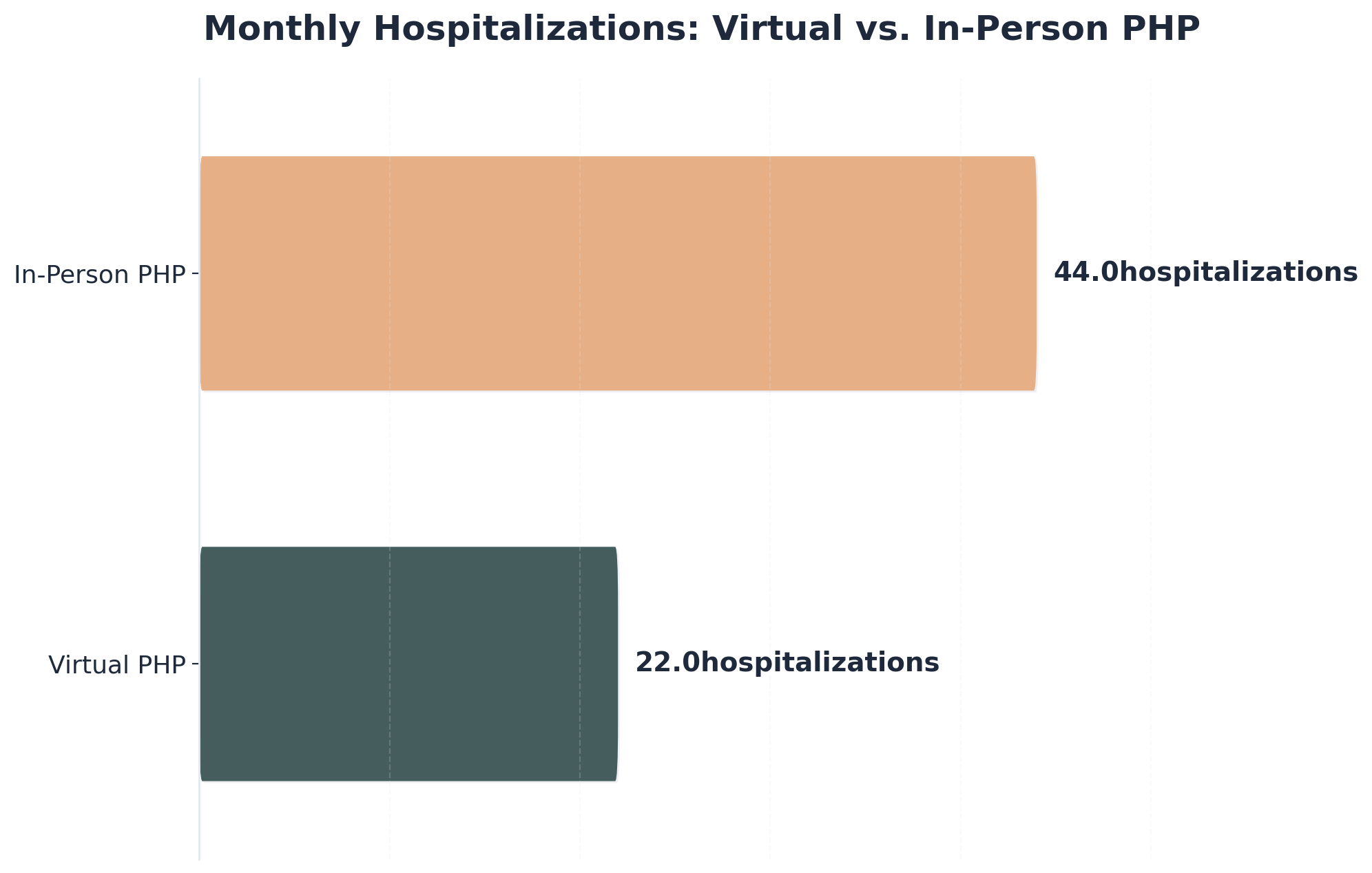
Telehealth options for PHP Montana and intensive outpatient care have been shown to deliver excellent results, making recovery more accessible—no matter where you live. Studies reveal that virtual PHP Montana programs can actually reduce monthly psychiatric hospitalizations by half compared to in-person treatment, all while maintaining high satisfaction and strong clinical outcomes4.
Intensive outpatient care delivered online is equally effective, offering flexible therapy options that help you stay engaged in treatment alongside your work and family life. About 24% of people initially face technology challenges, but most overcome them with a little help, allowing them to fully benefit from virtual care4. By making both PHP Montana and intensive outpatient care available through telehealth, you can receive expert help and consistent encouragement from home.
Rural Montana Access to Treatment
Living in rural Montana once meant facing long drives or limited choices for behavioral health care. Thanks to virtual PHP Montana and intensive outpatient care, you can now access skilled support—no matter how remote your home is. Flexible therapy options let you join group or individual sessions from home, which is especially important when transportation or weather makes travel difficult.
Research shows that telehealth-based PHP Montana and intensive outpatient care have helped close major gaps in rural access, leading to strong outcomes and fewer hospitalizations4. Intensive outpatient care and flexible therapy options make it possible for people in rural areas to stay involved with family, work, and their community while receiving the help they deserve. This expanded access means that you don’t have to choose between your responsibilities and your wellbeing—virtual programs bring PHP Montana to you, wherever you are.
Final Verdict: Is PHP Montana or IOP Right for You?
Choosing between IOP and PHP represents a significant decision in your path to wellness. The right choice depends entirely on your unique circumstances, the severity of your condition, and the support structure you need for success.
If you’re experiencing severe symptoms, struggling with daily functioning, or require close medical monitoring, PHP offers the comprehensive structure necessary for progress. This more intensive treatment model provides multiple hours of therapeutic services daily while allowing a return home each evening, making it ideal for those transitioning from inpatient care or requiring substantial intervention.
IOP works best when you’ve achieved initial stability and can benefit from continued support while maintaining work, school, or family responsibilities. This option provides substantial therapeutic intervention—typically 9-12 hours weekly—while offering the flexibility needed for practicing wellness skills in real-world settings.
The distinction between these two treatment models isn’t about one being superior to the other. Both serve essential purposes at different stages of healing. Many individuals begin with PHP and transition into IOP as they progress, creating a continuum that adapts with their evolving needs.
As you consider which option aligns with your current situation, reflect on several key questions: Can you safely manage daily activities between treatment sessions? Do you have a stable living environment that supports your recovery? Are you experiencing symptoms that require daily clinical oversight? How will treatment fit with your work, school, or family obligations? Your honest answers to these questions will guide you toward the appropriate level of care.
When you’re ready to take the next step, reach out to a mental health provider or treatment center for a clinical assessment. This evaluation will help determine which program intensity matches your needs right now. Remember, you’re not locked into a single path—your treatment can evolve as you progress. The most important decision is simply to begin.
When PHP Montana Is Your Best Option
PHP Montana is your best option when you need a higher level of daily structure and close clinical supervision to support your recovery. If you’re stepping down from residential or inpatient care, PHP Montana offers a safe, steady transition with daily therapeutic services, helping you adjust to life outside the hospital while still receiving intensive support1.
This level of care is also ideal if you’re managing co-occurring substance use and mental health conditions, since research shows integrated treatment in PHP Montana leads to better long-term outcomes9. Intensive outpatient care and flexible therapy options might not provide the same depth of monitoring or daily routine, which can be essential if your symptoms are more severe or you benefit from regular medication management. If you find that consistency and hands-on guidance help you feel safe and make progress, PHP Montana can meet those needs.
Transitioning from Residential Care
Transitioning from residential care can feel daunting, but PHP Montana is designed to make this step smoother and safer. When you leave an inpatient setting, you may still need daily structure and clinical oversight, and PHP Montana bridges that gap by offering at least 20 hours of therapeutic support each week without overnight stays1.
This steady routine includes group therapy, medication management, and individualized care, allowing you to continue building on the progress you made in residential treatment. Intensive outpatient care and flexible therapy options might not provide the same daily stability, which is why PHP Montana is such a strong choice for this stage of recovery. By staying connected to a caring team and maintaining a structured day, you’re supported as you adjust to life outside the hospital.
Managing Co-Occurring Disorders
Managing co-occurring disorders—when substance use and mental health challenges happen together—calls for a treatment setting that sees and supports the whole you. PHP Montana is especially effective here because it brings both mental health and substance use care together under one roof, with daily structure and close clinical supervision9.
This integrated approach means you get help for depression, anxiety, or bipolar disorder at the same time as support for substance use, which research shows leads to better long-term outcomes than treating each issue separately9. Intensive outpatient care and flexible therapy options can offer great support, but if your symptoms are more intense, PHP Montana‘s daily routine and hands-on team can help you stay safe and keep making progress. Trauma-informed care and medication management are built into PHP Montana, helping you feel understood and empowered as you work through complex challenges.
When IOP Meets Your Recovery Needs
Intensive outpatient care is a great fit when you’re seeking strong support for recovery but want to remain engaged with your regular responsibilities. IOP is especially helpful if you have a stable home environment, need flexibility for work or family, or benefit from evening and weekend therapy sessions—something PHP Montana’s more structured schedule may not provide4.
Research shows that intensive outpatient programs offer the structure and accountability needed for recovery, with proven outcomes for people facing both substance use and mental health challenges1. Flexible therapy options and intensive outpatient care help you stay connected to your community, maintain your job, and take care of loved ones while working toward your recovery goals. If you’re motivated to heal but need to fit treatment into a busy life, IOP can empower you to make meaningful progress and build healthy routines without stepping away from what matters most.
Maintaining Professional Responsibilities
If you’re balancing a career while working on your recovery, intensive outpatient care offers a practical path forward. Unlike PHP Montana, which often requires full-day attendance, IOPs typically schedule therapy and skill-building sessions in the evenings or on weekends, so you don’t have to step away from your job4.
This flexibility means you can keep up with important work responsibilities and maintain your professional identity while you heal. Research highlights that intensive outpatient care is just as effective as more structured programs when matched to your needs, and flexible therapy options are especially valuable if your job demands daytime hours4. Intensive outpatient care and flexible therapy options let you build healthy routines and stay engaged in your career, helping you move forward in both work and recovery.
Step-Down from PHP Montana Programs
Stepping down from PHP Montana to intensive outpatient care can feel empowering—you’re ready for more independence but still want steady support as you move forward. After completing the more structured routine of PHP Montana, moving into intensive outpatient care allows you to maintain progress with fewer weekly hours, usually 9 to 15 instead of 20 or more1.
This transition is backed by research showing that both PHP Montana and intensive outpatient care are highly effective when matched to your unique needs4. Intensive outpatient care and flexible therapy options help you gradually adjust to daily life, while you continue building coping skills and working toward your recovery goals. With this step-down approach, you’re giving yourself the best chance for lasting change and a smoother path to long-term healing.
Frequently Asked Questions
When exploring treatment options, you’ll likely have questions about how these programs work in practice and what to expect as you move forward. These answers address common practical concerns to help you make an informed decision.
Are PHP and IOP programs covered by insurance in Montana?
Most major insurance plans, including BlueCross BlueShield of Montana, PacificSource, and Allegiance, cover both PHP and IOP services. Coverage typically requires prior authorization and a clinical assessment demonstrating medical necessity. Out-of-pocket costs vary based on your specific plan, deductible, and whether you’re seeing in-network providers. Before starting treatment, contact your insurance company to verify your behavioral health benefits and ask specifically about partial hospitalization and intensive outpatient coverage levels.
How long do people typically stay in these programs?
PHP participation usually lasts 2-4 weeks, as it’s designed as a short-term intensive intervention. IOP programs typically run 8-12 weeks, though some people benefit from longer participation. Your treatment team will regularly assess your progress and adjust the timeline based on how you’re responding to treatment, your stability, and whether you’ve met your therapeutic goals. Insurance authorization periods also influence program length.
What happens if I need to miss a session?
Life happens, and treatment programs understand that. If you need to miss a session due to illness, family emergency, or work obligations, contact your program coordinator as soon as possible. Most programs require you to make up missed hours to maintain therapeutic progress and meet insurance requirements. Frequent absences may indicate the program intensity doesn’t match your current life circumstances, and your team can help adjust your treatment plan accordingly.
What credentials should Montana treatment providers have?
Look for programs staffed by licensed professionals including Licensed Clinical Professional Counselors (LCPCs), Licensed Clinical Social Workers (LCSWs), and Licensed Addiction Counselors (LACs)—all Montana-specific credentials. Quality programs should also have psychiatric providers (MDs or NPs) available for medication management. Verify that the facility itself holds current Montana Department of Public Health and Human Services certification for the level of care they’re providing.
Can I switch from PHP Montana to IOP if my circumstances change during treatment?
Yes, you can switch from PHP Montana to intensive outpatient care (IOP) if your needs or life circumstances change during treatment. Healing Rock Recovery and similar providers regularly reassess your progress and situation, so if you’re doing well with the structure of PHP Montana and are ready for more independence, you may be able to step down to IOP. This transition happens in collaboration with your care team, who will help make sure you still feel supported and safe. Research shows both PHP Montana and intensive outpatient care are effective when matched to what you need at each stage of recovery1. Flexible therapy options and intensive outpatient care mean you can keep building skills while fitting treatment into your evolving schedule.
What makes Healing Rock Recovery’s approach to dual diagnosis different in PHP Montana versus IOP?
Healing Rock Recovery’s approach to dual diagnosis stands out because both PHP Montana and intensive outpatient care offer integrated treatment for substance use and mental health, but the level of structure and supervision is different. In PHP Montana, you’ll receive daily clinical support, medication management, and trauma-informed care in a highly structured setting—this is especially helpful if you need consistent hands-on attention or if your symptoms are more complex9. Intensive outpatient care also addresses dual diagnosis with evidence-based therapies and flexible therapy options, but with fewer hours and more independence, letting you practice coping skills in real-life situations while still having expert guidance4. Research shows that treating mental health and substance use together leads to better long-term outcomes, and Healing Rock Recovery weaves this into both levels of care so you’re seen and supported as a whole person9. Intensive outpatient care and flexible therapy options mean you get a team that adapts alongside you, whether you want the daily routine of PHP Montana or the flexibility of IOP.
Will I receive the same quality of care through virtual IOP as I would in person?
Yes, you can receive the same quality of care through virtual IOP as you would in person. Research shows that virtual intensive outpatient care and PHP Montana programs are just as effective as traditional in-person formats, with participants often attending more sessions and reporting high satisfaction rates4. Flexible therapy options—like secure video calls, online group support, and regular check-ins—help you stay connected to your treatment team and peers even from home. About 24% of people face initial technology barriers, but most overcome these challenges and fully benefit from virtual care4. Intensive outpatient care and flexible therapy options delivered virtually mean you can focus on healing without sacrificing clinical quality, no matter where you live. Your experience with PHP Montana or IOP remains supportive and research-backed, whether online or in person.
Can I work full-time while attending PHP Montana at Healing Rock Recovery?
Working full-time while attending PHP Montana at Healing Rock Recovery is challenging due to the program’s structured schedule. PHP Montana typically requires you to participate in treatment 4 to 8 hours a day, five days a week, which can overlap with standard work hours1. Some people coordinate with their employers for a temporary leave or a flexible schedule, but maintaining a full-time job alongside PHP Montana isn’t usually realistic for most. The program’s intensive outpatient care is designed to support your healing with daily routines, and flexible therapy options may be better suited if you need to keep working full-time. If balancing both is a concern, talk with your Healing Rock Recovery team—they’ll help you explore options and find the right fit for your recovery goals and responsibilities.
How does Healing Rock Recovery incorporate cultural practices into PHP Montana and IOP programs?
Healing Rock Recovery honors your unique background by weaving cultural practices into PHP Montana and intensive outpatient care. Your care team encourages you to share traditions, values, and spiritual beliefs that are important to you, making space for culturally meaningful activities—like talking circles, storytelling, or traditional wellness rituals—within both PHP Montana and flexible therapy options. This approach helps you feel seen and understood, boosting engagement and long-term progress in PHP Montana or intensive outpatient care. National guidelines highlight that culturally informed, trauma-sensitive care can improve outcomes for people in substance use and mental health treatment7. Intensive outpatient care and flexible therapy options at Healing Rock Recovery adapt to your heritage, so your recovery journey truly reflects who you are.
What support does Healing Rock Recovery provide after I complete PHP Montana or IOP?
After you complete PHP Montana or intensive outpatient care at Healing Rock Recovery, you’re not left to figure things out on your own. Healing Rock Recovery provides ongoing support through alumni groups, regular check-ins, and aftercare planning that helps you maintain the progress you’ve made in PHP Montana or IOP. You’ll have access to flexible therapy options, mentorship opportunities, and community events designed to keep you connected and encouraged. This kind of continuing care is proven to help people stay engaged in their recovery and lower the risk of setbacks10. Whether you finished PHP Montana or intensive outpatient care, Healing Rock Recovery believes every step forward deserves celebration and ongoing support, so you always have a safe place to turn as you build your new routine.
How does Healing Rock Recovery determine whether I need PHP Montana or IOP?
Healing Rock Recovery uses a caring, individualized approach to help you find the right level of support between PHP Montana and intensive outpatient care. Your team will talk with you about your current needs, challenges, home environment, and health history. They use trusted tools—like the ASAM Criteria—which guide decisions by looking at your mental health, substance use, medical needs, and daily life3. If you need daily structure, close medical supervision, or are stepping down from inpatient care, PHP Montana might be the best fit. If you’re ready for more independence, have a stable home, and need flexibility, intensive outpatient care could be right for you1. Flexible therapy options and intensive outpatient care are always considered, so your treatment fits your life and gives you the best chance at lasting progress. You’re never alone in this decision—your Healing Rock Recovery team will support you every step of the way.
Will my employer find out if I attend PHP Montana or IOP during work hours?
Your privacy is protected when you attend PHP Montana or intensive outpatient care, even if your sessions are during work hours. By law, your participation in PHP Montana or IOP is confidential and can only be shared with your employer if you give written permission. Many people use flexible therapy options or take approved leave to fit treatment into their schedules, and providers understand how important it is to keep this information private6. Intensive outpatient care and flexible therapy options are designed to support your healing without risking your job or privacy. If you have concerns about work, you can always talk with your care team about ways to manage your schedule and protect your confidentiality.
What technology do I need to participate in virtual PHP Montana or IOP programs?
To join virtual PHP Montana or IOP programs, you’ll need a reliable internet connection, a computer, tablet, or smartphone with a camera and microphone, and a quiet, private space for your sessions. Most virtual intensive outpatient care and flexible therapy options use secure video platforms, so you don’t need any advanced equipment—just basic technology that supports video calls. If you’re new to telehealth, your care team can help you set up the right tools and troubleshoot common issues. Research shows about 24% of people experience initial technology barriers, but most find solutions and go on to benefit from virtual PHP Montana or IOP4. Flexible therapy options and intensive outpatient care now make it possible to participate in treatment from home, even in rural areas.
Can family members participate in PHP Montana or IOP treatment at Healing Rock Recovery?
Yes, family members can absolutely participate in PHP Montana or IOP treatment at Healing Rock Recovery. Involving your loved ones is encouraged because it can make your recovery journey stronger and less isolating. Research shows that family involvement in substance use disorder treatment increases the chance of starting and staying in care while reducing barriers to progress10. Both PHP Montana and intensive outpatient care at Healing Rock Recovery offer opportunities for family counseling, education, and support sessions, so everyone understands how to help and heal together. Flexible therapy options and intensive outpatient care often include family programs, making it easier for relatives to join in, whether in person or virtually. Including family not only helps you, but also gives your loved ones tools and understanding to support your recovery outside of treatment. If you’d like your family to be involved, just let your care team know—they’re ready to welcome and guide everyone.
What happens if I experience a crisis or relapse while in IOP?
If you experience a crisis or relapse while in intensive outpatient care, your Healing Rock Recovery team will respond quickly to help you get back on track. You’ll have immediate access to your therapist and care team, who can provide extra support, safety planning, and guidance—sometimes including more frequent sessions or a temporary step up to PHP Montana if you need a higher level of structure. Flexible therapy options and intensive outpatient care are designed to support real-life ups and downs, so you’re never left to face challenges alone. Research shows that regular check-ins and strong clinical support in programs like IOP help people feel safer and continue making progress, even after a setback4. If you or your loved one ever feels at risk, you can always reach out for urgent guidance or crisis support through Healing Rock Recovery or national helplines6.
Does Healing Rock Recovery offer medication-assisted treatment within PHP Montana and IOP programs?
Yes, Healing Rock Recovery offers medication-assisted treatment (MAT) within both PHP Montana and intensive outpatient care programs. Medication-assisted treatment uses FDA-approved medicines like buprenorphine, methadone, or naltrexone to support recovery from opioid use disorder and other substance challenges, helping to reduce cravings and lower the risk of relapse. Research shows that long-term MAT can reduce mortality for people with opioid use disorder by about 50%8. In both PHP Montana and IOP, MAT is combined with counseling, skill-building, and flexible therapy options—creating a well-rounded approach that addresses your unique needs. This means you can access intensive outpatient care or PHP Montana with the comfort of knowing that medication support is available as part of your recovery plan. If you’re interested in MAT, talk with your Healing Rock Recovery team about how these services can be woven into your personalized treatment path.
How long will I need to attend PHP Montana or IOP before completing treatment?
The length of time you’ll attend PHP Montana or intensive outpatient care depends on your unique needs, progress, and the goals you set with your care team. Most people participate in PHP Montana for several weeks, often ranging from 2 to 6 weeks, with at least 20 hours of therapy each week1. Intensive outpatient care usually lasts anywhere from 6 to 12 weeks, with sessions totaling 9 to 15 hours per week1. Your Healing Rock Recovery team will check in regularly to make sure you’re getting what you need, and together, you’ll decide when you’re ready to step down to a lower level of care or complete the program. Progress happens at your pace, so you can feel supported through every stage. Intensive outpatient care and flexible therapy options are always available to help you transition smoothly when you’re ready.
Can I attend PHP Montana or IOP if I live in a rural area with limited internet access?
Yes, you can participate in PHP Montana or intensive outpatient care even if you live in a rural area with limited internet access. Many programs offer flexible therapy options, including phone sessions or hybrid approaches where you come onsite when possible and join virtually when technology allows. Research shows that virtual PHP Montana and intensive outpatient care have closed major gaps in rural access, helping more people receive support without needing to travel long distances4. If your internet is unreliable, your care team will help you find creative solutions, like connecting at community centers or using telehealth-friendly spaces nearby. Intensive outpatient care and flexible therapy options are designed to meet you where you are, so you never have to face these challenges alone.
Your Recovery Journey Starts Here
Taking the first step toward recovery requires courage, and understanding your treatment options empowers you to make informed decisions for your unique situation. Whether you’re considering structured daytime therapy or a more flexible approach, the most important thing is that you’re ready to begin healing.
As you research treatment options, you’ll want to ask specific questions that help you evaluate whether a program truly fits your needs. When contacting treatment centers, consider asking: What does a typical day look like in their program? How do they handle scheduling conflicts with work or family obligations? What therapeutic approaches do they use, and what evidence supports their effectiveness? How do they measure progress throughout treatment?
Understanding what to expect during an initial assessment can also reduce anxiety about starting treatment. Most programs begin with a comprehensive evaluation that examines your substance use history, mental health, physical health, and life circumstances. This assessment isn’t about judgment—it’s about gathering information to create a treatment plan tailored to your specific situation. You’ll likely discuss your goals, concerns, and any previous treatment experiences. Come prepared to be honest about your challenges; this transparency helps clinicians recommend the most appropriate level of care.
Before beginning treatment, you can take practical steps to set yourself up for success. Arrange your work or school schedule to accommodate therapy sessions. Talk with family members or roommates about how they can support your recovery. Identify potential triggers in your daily environment and consider how you’ll manage them. If you’re entering PHP, prepare for a significant time commitment by handling responsibilities in advance. For IOP, think about how you’ll balance treatment with ongoing obligations.
Your recovery journey is unique, and the right treatment approach should align with both your clinical needs and your life circumstances. Start by contacting treatment centers to discuss your specific situation and ask about their assessment process. Request information about their programming, success rates, and how they support clients through different phases of recovery. Schedule consultations with multiple programs if possible—this allows you to compare approaches and find the best fit. Taking these concrete steps today moves you closer to the healing and stability you deserve.
References
- What Is a Partial Hospitalization Program (PHP)? – GoodRx. https://www.goodrx.com/health-topic/mental-health/partial-hospitalization-program
- Mental health care (partial hospitalization) – Medicare. https://www.medicare.gov/coverage/mental-health-care-partial-hospitalization
- About the ASAM Criteria. https://www.asam.org/asam-criteria/about-the-asam-criteria
- Positive Outcomes in a Virtual Partial Hospitalization Program – PMC. https://pmc.ncbi.nlm.nih.gov/articles/PMC9395212/
- Cognitive-Behavioral Therapy for Substance Use Disorders – NIH. https://pmc.ncbi.nlm.nih.gov/articles/PMC2897895/
- National Helpline for Mental Health, Drug, Alcohol Issues – SAMHSA. https://www.samhsa.gov/find-help/helplines/national-helpline
- A Systematic Review of Trauma Informed Care in Substance Use Settings. https://pubmed.ncbi.nlm.nih.gov/39641885/
- The Effectiveness of Medication-Based Treatment for Opioid Use Disorder. https://www.ncbi.nlm.nih.gov/books/NBK541393/
- Finding Help for Co-Occurring Substance Use and Mental Disorders. https://www.nimh.nih.gov/health/topics/substance-use-and-mental-health
- Family Involvement in Substance Use Disorder Treatment. https://www.ncbi.nlm.nih.gov/books/NBK571084/