Key Takeaways: Your Recovery Decision Guide
Before you begin, use this quick assessment to orient your journey:
- Assess Your Cultural Needs: Do you feel a disconnect from your heritage? Look for programs that integrate talking circles and elder guidance.
- Check for Dual Diagnosis: If you experience anxiety or depression alongside substance use, ensure the program offers clinical mental health support.
- Verify Accessibility: For those in remote areas, confirm if the provider offers telehealth options to bridge the distance gap.
- Immediate Action: Contact your tribal health representative or a local provider today to ask about insurance coverage for culturally integrated care.
Understanding Indigenous Healing in Native American Addiction Treatment Montana
Historical Trauma and Substance Use Patterns
In this section, you’ll learn how historical trauma has shaped substance use patterns in Indigenous communities and why recognizing these roots is essential for healing. By the end, you’ll be able to identify how the lasting impacts of colonization contribute to present-day challenges—and why Native American addiction treatment Montana programs must address this history.
Historical trauma refers to the collective emotional and psychological wounds carried across generations. These are not isolated events but a cumulative burden resulting from:
- Forced relocation and loss of ancestral land.
- The boarding school era and family separation.
- Suppression of native languages and spiritual traditions.
These traumatic experiences created cycles of grief and stress that still echo today. Nearly 1 in 4 Native Americans face substance use disorders, a rate much higher than the national average, and this pattern is closely linked to the legacy of historical trauma5.
Research shows that when poverty—a direct result of colonization—is controlled for, rates of substance use disorders among Native Americans decrease significantly. This means that the ongoing effects of historical injustice, such as economic hardship and community disruption, are deeply tied to substance use patterns5.
Practice This: Create a timeline of key historical events impacting your community. Reflect on how these moments may have shaped local experiences with addiction and wellness.
You’re ready for the next level when you can explain why understanding historical trauma is a foundation for effective recovery. Next, you’ll explore how cultural disconnection also acts as a root cause of addiction and what can be done to restore connection.
Cultural Disconnection as a Root Cause
In this section, you’ll learn how cultural disconnection can become a root cause of substance use in Indigenous communities—and why restoring cultural ties is a powerful step toward healing. When you finish, you’ll be able to recognize the signs of cultural disconnection and understand how it affects recovery journeys.

Cultural disconnection happens when individuals lose touch with their traditional practices, language, and community roles. For many, this loss can feel like a missing piece of identity—leaving a sense of emptiness that people may try to fill in other ways, including substance use. In some cases, multiple generations have grown up without access to ceremonies, language, or traditional teachings due to forced assimilation policies. This can create a cycle where people feel isolated, not just from their culture, but from the strengths and support that come with it8.
Studies show that reconnecting with culture helps people feel grounded and valued. Programs that blend these practices into recovery have stronger outcomes than those that do not1. Common reconnection activities include:
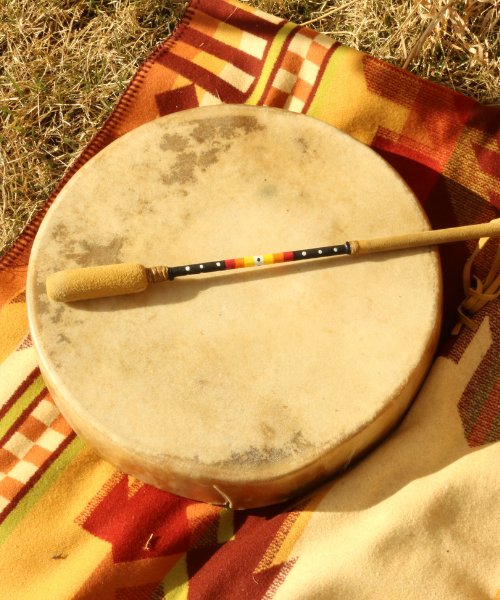
- Participating in drum circles.
- Attending sweat lodges.
- Learning Indigenous languages.
Practice This: Talk with family or elders about a tradition you’ve always wanted to learn or reclaim. Take one small step this week to connect with that tradition.
You’re ready for the next level when you can identify at least one way cultural reconnection strengthens recovery. Next, you’ll see how Native American addiction treatment Montana programs use tradition and evidence-based care together for even greater impact.
Wellbriety and Native American Addiction Treatment Montana
The Four Laws of Change in Practice
In this section, you’ll discover how the Four Laws of Change are woven into the heart of Wellbriety and how you can apply them to your own recovery journey. By the end, you’ll be able to recognize each law, understand its purpose, and use practical steps to create real change—both for yourself and within your community.
The Four Laws of Change act like a compass for recovery. Here is how they guide the process:
- Change is from within: Healing begins with nurturing your own spirit through reflection, prayer, or nature.
- Development follows a cycle: Just like the seasons, recovery has ups and downs; every step is part of the process.
- Effective change requires a vision: You need a guiding light, such as a vision board or written goals, to stay hopeful.
- You must be a relative to others: Everyone’s healing is connected; support and kindness are essential.
Wellbriety circles and group ceremonies put this into practice by encouraging everyone to show respect and help one another2. Native American addiction treatment Montana centers often utilize these laws to structure their daily programming.
Practice This: Write down your own vision for healing. Next, reach out to someone in your circle and offer encouragement or a listening ear. Notice the difference it makes, both for them and for you.
You’re ready for the next level when you can name all Four Laws of Change and share one way you’ve put each into practice. Next, you’ll see the research behind why blending culture and clinical care works so well.
Evidence Supporting Cultural Integration
In this section, you’ll learn why combining cultural practices and clinical care leads to stronger recovery outcomes—and how you can recognize when a treatment program truly honors both. By the end, you’ll be able to spot real evidence supporting this approach and understand why it matters for Native American addiction treatment Montana residents can trust.

Think of cultural integration like weaving two strong threads together: tradition and science. When these threads are joined, they create a fabric that’s both resilient and adaptable. The table below illustrates the impact of this integration:
| Treatment Approach | Key Components | Observed Outcomes |
|---|---|---|
| Standard Western Model | Clinical therapy, medication, isolation from community context. | Variable engagement; higher dropout rates due to cultural mismatch. |
| Culturally Integrated Model | Sweat lodges, drum circles, clinical support, elder guidance. | Improved engagement; 95% sobriety reported at 6 months in Wellbriety studies2. |
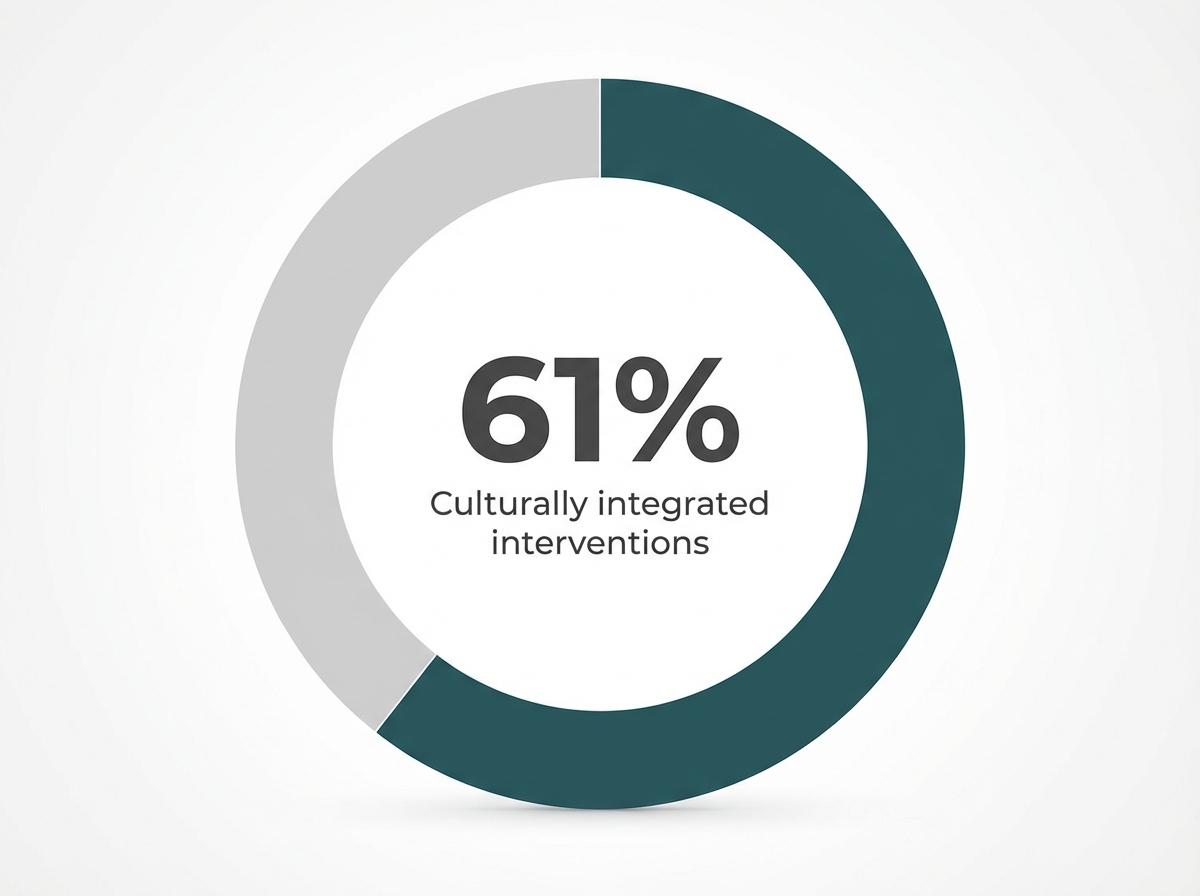
In fact, 61% of reviewed addiction programs for Indigenous adults in North America included cultural practices, and those programs reported improved outcomes for participants1.
Practice This: Create a chart or list of local treatment providers. Mark which ones offer talking circles, traditional ceremonies, or connections with cultural mentors. Notice how these options make you feel about seeking care.
You’re ready for the next level when you can explain to a friend why blending culture and evidence-based care makes recovery more personal and more powerful. Next, you’ll explore how dual diagnosis care addresses both mental health and substance use in Indigenous communities.
Dual Diagnosis in Native American Addiction Treatment Montana
Addressing Co-Occurring Mental Health Needs
In this section, you’ll learn how Native American addiction treatment Montana programs address both substance use and mental health together—a crucial approach called dual diagnosis care. By the end, you’ll understand why treating co-occurring mental health concerns, like depression or anxiety, is essential for true healing and how culturally rooted care makes a difference.
Mental health conditions are common among people seeking help for substance use, but they often go undiagnosed in Indigenous communities due to stigma, limited resources, or a lack of culturally sensitive screening tools. National research highlights that behavioral health programs serving Native Americans are increasingly operated by tribal organizations, reflecting a move toward care that respects both clinical needs and cultural identity3.
When both mental health and substance use are addressed together, people are more likely to stay engaged in treatment. Effective dual diagnosis care in this context involves:
- Whole-person healing: Integrating traditional practices like talking circles.
- Evidence-based therapies: Utilizing counseling and medication when appropriate.
- Root cause analysis: Recognizing that emotional pain often stems from grief, trauma, or cultural loss10.
Practice This: Write down one area where you’ve felt stress or sadness alongside your recovery journey. Consider how sharing this with a trusted counselor or elder could support your healing.
You’re ready for the next level when you can describe how addressing both mental health and substance use together leads to stronger, more lasting recovery. Next, you’ll explore how trauma-informed approaches can honor culture while supporting recovery.
Trauma-Informed Approaches That Honor Culture
In this section, you’ll discover how trauma-informed care is thoughtfully adapted in Native American addiction treatment Montana programs to respect your culture and promote real healing. By the end, you’ll recognize how honoring cultural values within trauma-informed approaches can make recovery safer, more welcoming, and more effective for Indigenous people.
Trauma-informed care means every part of treatment is built around understanding how trauma affects your mind, body, and spirit. For Native communities, this includes not only personal trauma but also collective wounds passed down through generations. What makes these programs unique is their commitment to meeting you where you are—welcoming traditional practices like smudging, sweat lodges, and talking circles, alongside counseling and clinical support10.
What is Cultural Humility in Treatment?
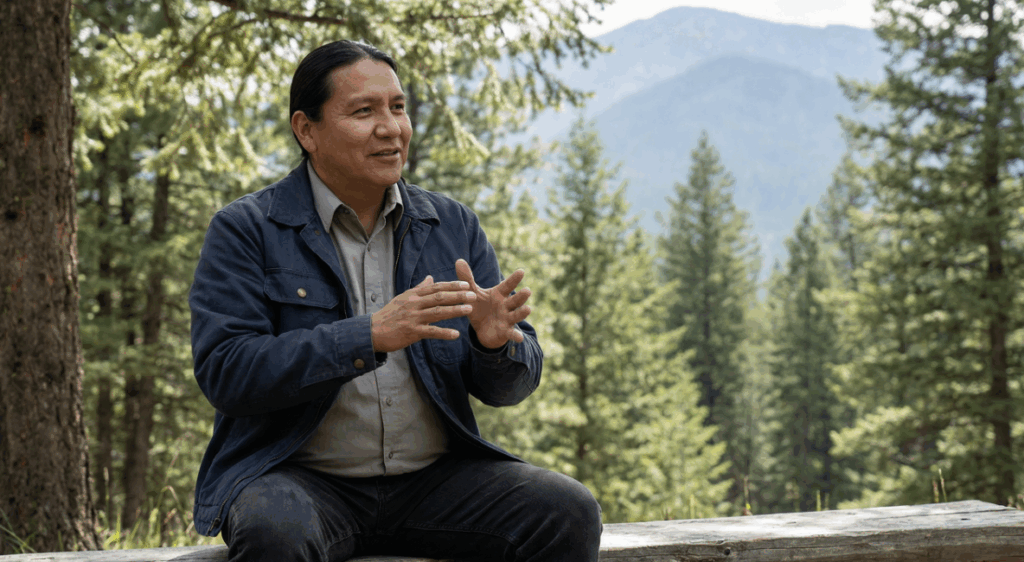
Staff in these programs often receive training in cultural humility. This means you’re cared for by people who honor your experiences and help rebuild trust that may have been broken by historical injustices7. You might notice that sessions are opened with prayer, or that elders and cultural mentors are present—these small steps can help you feel seen and valued.
Practice This: Create a personal grounding routine using a simple traditional practice—like burning sage or listening to a favorite song in your language—before or after a difficult conversation.
You’re ready for the next level when you can identify one way trauma-informed care is made culturally safe in your recovery journey.
Overcoming Barriers to Accessible Treatment
Geographic Isolation and Virtual Care Solutions
In this section, you’ll learn how Native American addiction treatment Montana programs are helping people overcome the challenge of geographic isolation—using virtual care to bring healing within reach. By the end, you’ll understand how technology bridges distance and how you can make use of these solutions even in the most remote areas.
Living in rural Montana or on reservation land can make accessing in-person care difficult. Long travel distances, unreliable transportation, or even harsh weather often stand in the way. Providers have expanded virtual options to bridge this gap, including:
- Telehealth counseling: One-on-one sessions via secure video.
- Online support groups: Connecting with peers without leaving home.
- Remote cultural mentorship: Accessing guidance from elders digitally.
The Indian Health Service has invested in tele-behavioral health, which is improving access for rural and remote tribal communities across Montana3.
Practice This: If you have a smartphone or a computer, try reaching out to a local provider to ask about virtual support meetings or telehealth sessions. Make a list of any technology barriers you face, then brainstorm one way to ask for help—maybe from a family member, tribal office, or local clinic.
You’re ready for the next level when you can identify at least one virtual care option available in your area and know how to access it.
Building Trust Through Community Partnership
In this section, you’ll discover how building trust through community partnership can make Native American addiction treatment Montana programs more accessible and effective. You’ll know you’ve learned the essentials when you can describe how real collaboration between providers and local communities leads to lasting healing.
Trust grows when treatment programs are built not only for, but with, Indigenous communities. This means inviting elders, cultural leaders, and local organizations to help shape services every step of the way. When you see your own values reflected in care—like having ceremonies, traditional foods, or language included—it’s easier to feel safe and respected.
“Research shows that 83% of effective substance use interventions for Indigenous adults use community-based participatory research, treating tribal members as equal partners and honoring their knowledge.”1
This approach shifts power away from outside experts and centers it in the community, which helps break down barriers of mistrust that often come from negative past experiences with mainstream healthcare7.
Practice This: Attend a local health event or talking circle, and notice who is leading and how decisions are made. If the opportunity arises, ask about ways you can give input or help shape future programs.
You’re ready for the next level when you can name at least one way community partnership strengthens trust and makes treatment more welcoming. Up next, you’ll find answers to the most common questions about Native American addiction treatment Montana residents ask.
Frequently Asked Questions
How does Native American addiction treatment at Healing Rock Recovery differ from mainstream programs?
Healing Rock Recovery’s approach to Native American addiction treatment Montana stands apart by weaving traditional healing practices—like talking circles, sweat ceremonies, and guidance from elders—directly into evidence-based care. Unlike mainstream programs, which may focus only on clinical therapies, Healing Rock Recovery honors your culture and values, recognizing the impact of historical trauma on your wellness journey 10. This blend helps you feel seen and respected, not just as a patient but as a whole person. Many find a deeper sense of belonging and hope, which is essential for lasting recovery.
Can family members participate in Native American addiction treatment, and what role do they play?
Yes, family members are encouraged to participate in Native American addiction treatment Montana programs. Involving family is more than just support—it’s a way to reconnect with cultural teachings that view healing as a shared journey. Family can join talking circles, attend ceremonies, and learn ways to support their loved one’s recovery at home. This involvement helps restore trust, ease feelings of isolation, and create a stronger foundation for lasting change. Research shows that when families are included, people feel more connected and outcomes improve, especially in culturally rooted programs 10.
What if I live on a remote reservation in Montana—can I still access Native American addiction treatment services?
Absolutely—you can still access Native American addiction treatment Montana services even if you live on a remote reservation. Thanks to expanded telehealth and virtual care options, support is now just a phone call or video chat away. Programs offer online counseling, virtual support groups, and connections with cultural mentors, making it easier to participate in healing without long travel times. The Indian Health Service and tribal health organizations have boosted tele-behavioral health across rural Montana, helping break down barriers caused by distance or weather 3. If you’re unsure how to get started, reaching out to your tribal clinic or local provider can open the door to these resources.
Does insurance cover culturally integrated Native American addiction treatment programs?
Most Native American addiction treatment Montana programs that integrate cultural and clinical approaches are eligible for coverage through Medicaid, Indian Health Service (IHS), and many private insurance plans. Insurance often covers essential services like counseling, group therapy, and some traditional healing activities when delivered by licensed providers. Still, coverage can vary, so it’s always a good idea to check with your insurance, IHS, or the treatment center’s admissions staff to confirm what’s included. Research shows that tribal organizations are now operating most behavioral health programs, which can help ensure culturally integrated services are accessible through major payer networks 3.
How long does Native American addiction treatment typically take to see meaningful results?
The time it takes to see meaningful results from Native American addiction treatment Montana programs varies for each person. Many people begin to notice changes in their sense of hope, connection, and stability within the first few weeks—especially when treatment includes both traditional healing and clinical support. Research on culturally integrated programs like Wellbriety found that nearly 95% of participants reported sobriety and wellness at six months, with almost all gaining stable housing too 2. Healing is a journey, not a race, so your progress may look different from others. The most important part is taking that first step and staying connected to support.
What happens after completing a Native American addiction treatment program at Healing Rock Recovery?
After you complete a Native American addiction treatment Montana program at Healing Rock Recovery, your healing journey continues with strong aftercare and community support. You’ll be connected with an alumni network, ongoing talking circles, and mentorship from peers and elders—helping you stay grounded and supported as you transition back to daily life. Many participants also receive help finding housing, work, and ways to contribute to their community, reflecting the program’s focus on whole-person wellness. Research shows that continued involvement in culturally rooted circles and peer support is linked to lasting recovery and connection 2.
Is Native American addiction treatment only for Indigenous people, or can others participate?
Native American addiction treatment Montana programs are designed to honor Indigenous culture, but they often welcome people from all backgrounds who seek healing. Many treatment centers believe that everyone can benefit from the wisdom of traditional practices and the supportive environment these programs create. Respect for the culture and a willingness to follow community guidelines are usually expected, no matter your heritage. Inclusive programs have shown that non-Indigenous participants also find meaning and support in these settings, building understanding and respect across cultures 10. If you’re open to learning and healing together, you’re encouraged to participate.
Your Path to Culturally Grounded Healing
You deserve addiction treatment that honors who you are—your cultural identity, your lived experiences, and the unique context of your life. Yet many traditional recovery programs overlook how deeply culture shapes our relationship with substances, mental health, and healing. When treatment doesn’t account for family dynamics, cultural stigma, language barriers, or the specific stressors your community faces, it’s harder to fully engage and achieve lasting recovery.

Healing Rock Recovery integrates evidence-based practices with meaningful cultural sensitivity. Your care team might incorporate traditional healing practices alongside clinical therapy, connect you with bilingual counselors who understand your first language and cultural nuances, or facilitate support groups with others who share your background. We address immigration-related trauma, help you navigate family expectations around seeking help, and create treatment plans that respect your values—whether that means involving extended family in your recovery or honoring spiritual practices that ground you. Research consistently shows that culturally-adapted treatment improves engagement rates by up to 50% and significantly increases long-term recovery outcomes compared to standard approaches.
When you feel truly seen and understood, healing goes deeper. You’re more likely to open up about challenges, stay committed to treatment, and build sustainable wellness that fits your real life. Your path to recovery doesn’t require abandoning your identity—it should strengthen it. Ready to explore treatment that honors your whole self? Contact us today to learn how we can support your culturally grounded healing journey.
References
- Culturally Tailored Substance Use Interventions for Indigenous Adults in North America: Systematic Review. https://pmc.ncbi.nlm.nih.gov/articles/PMC10248734/
- The Multicultural Wellbriety Peer Recovery Support Program Research Summary. https://wellbriety.com/wellbriety/wp-content/uploads/2019/06/Multicultural-Wellbriety-Peer-Recovery-Support-Program-Research-Summary.pdf
- Alcohol and Substance Abuse Branch | Indian Health Service (IHS). https://www.ihs.gov/asab/
- Use of the Evidence Base in Substance Abuse Treatment Programs Serving American Indians and Alaska Natives. https://pmc.ncbi.nlm.nih.gov/articles/PMC3145574/
- The Impact of Historical Trauma on Substance Use Disorders in Native American Communities. https://criticaldebateshsgj.scholasticahq.com/article/124050-the-impact-of-historical-trauma-on-substance-use-disorders-in-native-american-communities
- Office of American Indian Health – Montana DPHHS. https://www.dphhs.mt.gov/OAIH/
- Applying Indigenous Community-Based Participatory Research Principles to Partnership Development. https://pmc.ncbi.nlm.nih.gov/articles/PMC5443618/
- Historical Trauma and Substance Use Among American Indian Reservation-Dwelling Adults. https://pmc.ncbi.nlm.nih.gov/articles/PMC8084991/
- Future Directions for Medication Assisted Treatment for Opioid Use Disorder Among American Indians and Alaska Natives. https://pmc.ncbi.nlm.nih.gov/articles/PMC6129390/
- Integrating Spiritual and Western Treatment Modalities in Native American Substance User Treatment. https://pmc.ncbi.nlm.nih.gov/articles/PMC4104509/