Key Takeaways for Your Journey
- Acknowledge the Context: Understanding historical trauma is the first step in finding effective Indigenous addiction treatment Montana services.
- Seek “Two-Eyed Seeing”: The most effective programs blend traditional healing (ceremonies, Elders) with evidence-based clinical care.
- Identify Protective Factors: Reconnecting with culture, family, and community significantly boosts recovery outcomes.
- Know Your Options: Choose between tribal, non-tribal, and virtual care based on your specific location and cultural needs.
- Prioritize Cultural Humility: Look for providers who listen and learn from you, rather than just checking a “competence” box.
Why Indigenous Addiction Treatment Montana Needs Specialized Care
Historical Trauma’s Role in Substance Use
When exploring Indigenous addiction treatment Montana options, it is vital to understand that historical trauma shapes substance use patterns in Indigenous communities in ways that are both deep and unique. Historical trauma refers to the cumulative emotional and psychological wounds passed down through generations following events such as forced removal from land, boarding schools, and cultural suppression. These experiences are not just events of the past—they continue to impact families and communities today, increasing vulnerability to substance use as a way to cope with pain and loss.1
If you’re seeking Indigenous addiction treatment Montana programs, it’s important to recognize that the roots of substance use often run much deeper than individual choices. Studies show that unresolved historical trauma can lead to higher rates of distress, depression, and substance use when there aren’t enough healing resources or supportive relationships in place. When trauma symptoms are high, substance use may become a way to numb or escape these overwhelming feelings.5
On the positive side, research highlights the resilience within Indigenous communities—survival, cultural pride, and strong family bonds can all buffer against the impact of trauma when nurtured in healing environments. Treatment programs that honor this history, while providing safe spaces to process pain and reconnect with culture, offer a path forward. If you’ve ever felt like mainstream approaches just don’t “get it,” you’re not alone. Indigenous addiction treatment Montana programs are designed to address these unique challenges and strengths, helping you move toward healing with compassion and understanding.1
Up next, you’ll see how current barriers create additional challenges for those seeking recovery in Indigenous communities—and what can be done to support your journey.
Barriers Facing Indigenous People Today
Facing barriers to care can feel overwhelming, but recognizing what stands in your way is the first step to finding help that truly fits your needs. Many Indigenous people in Montana experience challenges like limited access to local treatment programs, long travel distances, and a shortage of culturally responsive providers—there are only about 101 Indigenous mental health professionals per 100,000 people, much fewer than in other groups. This means it’s common to wait longer or travel farther just to find someone who understands your background.6

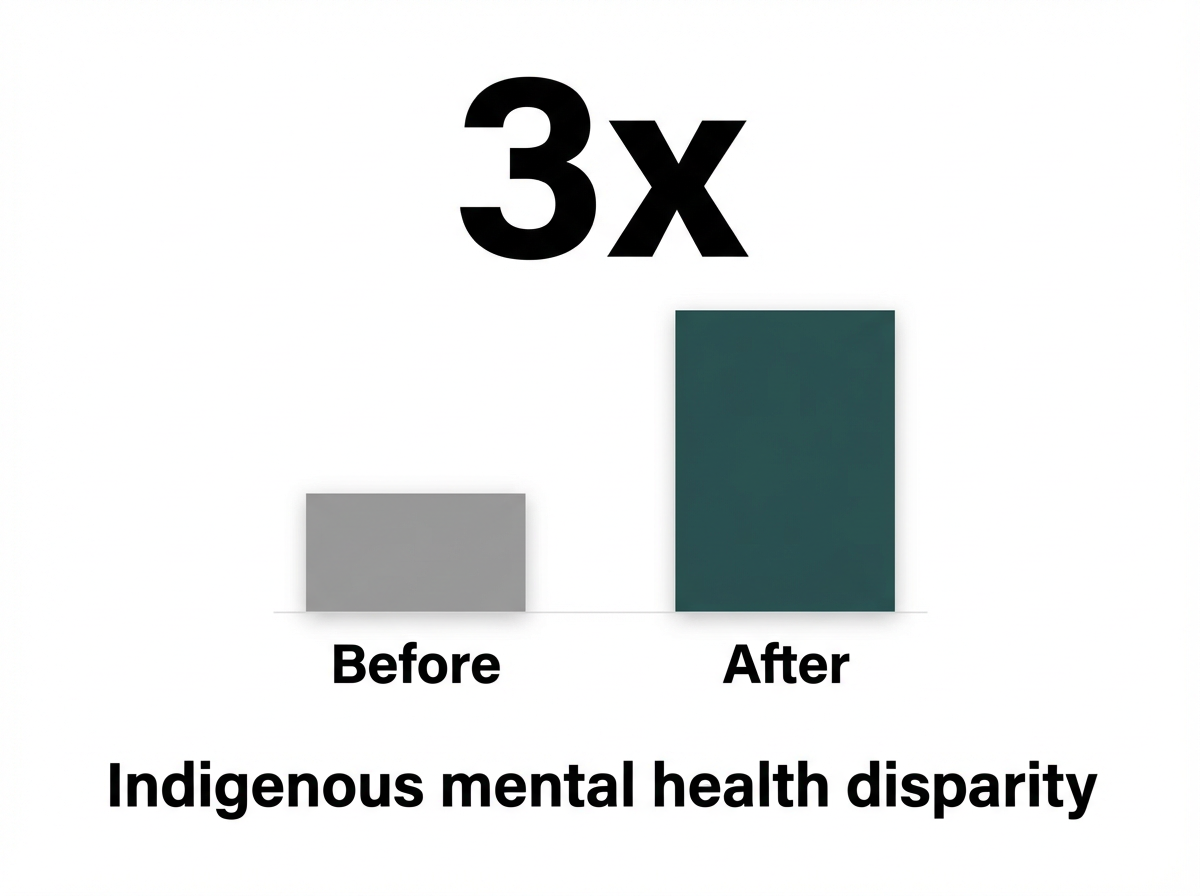
Stigma and mistrust can also be tough obstacles. Some people worry about being judged by their community or feel uncertain about whether a program will respect their culture. This is understandable, especially when past experiences with mainstream services weren’t positive or lacked cultural understanding. In rural areas, these concerns are even greater—urban Indigenous people are three times more likely to receive mental health care than those in remote locations.7
Insurance gaps and financial worries add another layer, with nearly 15% of Indigenous people uninsured compared to just under 6% of non-Hispanic whites. Self-reliance, while a source of pride, sometimes leads to putting off seeking help until things get harder.6
Indigenous addiction treatment Montana programs are working to overcome these barriers by offering virtual care, partnering with tribal leaders, and building trust through community involvement. By understanding the specific challenges you face, you can look for solutions that honor your journey.
Next, let’s explore how culturally rooted care makes a real difference and what sets Indigenous treatment approaches apart.
What Makes Indigenous Addiction Treatment Montana Programs Different
Blending Traditional Healing with Evidence-Based Care
Blending traditional healing with evidence-based care is a core feature that sets Indigenous addiction treatment Montana programs apart. Here’s a tool to help you recognize a well-blended program:
- Inclusion of traditional ceremonies (like sweat lodges or talking circles)
- Elders or cultural leaders actively involved
- Use of evidence-based therapies (CBT, trauma-informed care)
- Family and community input in treatment planning
- Support for cultural identity and language
- Flexible options for spiritual practice
In Indigenous addiction treatment Montana programs, you’ll often find these elements side by side. For example, a session may begin with smudging or prayer, then move into a counseling approach shown to help with addiction and trauma. This mix is sometimes called a “Two-Eyed Seeing” approach.
“Two-Eyed Seeing” refers to learning to see from one eye with the strengths of Indigenous ways of knowing and from the other eye with the strengths of Western ways of knowing, and using both these eyes together for the benefit of all.
Research shows that when these methods are blended, people experience better outcomes and feel more connected in their recovery journey. Opt for programs that honor your traditions alongside proven therapy methods, especially if you want your healing to address both mind and spirit. This approach is ideal for anyone who’s ever felt misunderstood by purely clinical models or who longs to reconnect with cultural roots while addressing substance use. Remember, you deserve care that fits all parts of who you are.2
Next, let’s look at how the mindset of your care team—cultural humility versus cultural competence—can shape your treatment experience.
Cultural Humility vs. Cultural Competence
Understanding the difference between cultural humility and cultural competence can help you choose Indigenous addiction treatment Montana programs that truly respect your story. Here’s a quick tool to help you reflect:
Self-Check: What Does Your Care Team Practice?
- Do they ask about your cultural beliefs and listen without judgment?
- Are they open to learning from you and your family?
- Do they acknowledge their own limits and seek community input?
- Is there room for your traditions in every step of care?
Cultural competence often means a provider has learned about different cultures, perhaps through classes or training. While this can be helpful, it sometimes leads to assumptions or a checklist approach. Cultural humility, on the other hand, is an ongoing mindset. It invites your care team to approach you with respect, curiosity, and a willingness to learn—always recognizing that you are the expert on your own life and experiences.
| Cultural Competence | Cultural Humility |
|---|---|
| Focuses on acquiring knowledge about other cultures. | Focuses on self-reflection and lifelong learning. |
| Can lead to stereotyping or “checklist” care. | Treats each individual as the expert on their own life. |
| Often sees the provider as the authority. | Shares power and builds trust with the client. |
Research shows that cultural humility can boost client satisfaction by 32% and increase treatment retention by 28% among diverse groups. This approach works best when you want to feel heard and valued, not just treated. Indigenous addiction treatment Montana programs that prioritize humility often create safer, more welcoming spaces for healing.3
Next, you’ll see how these values are put into practice through protective factors that support recovery.
Protective Factors That Support Your Recovery
Connection to Culture, Family, and Community
When thinking about what helps you heal, don’t overlook your ties to culture, family, and community—these are some of the strongest protective factors in Indigenous addiction treatment Montana programs. Here’s a quick reflection tool you can use:

- Do you have regular contact with family or elders you trust?
- Are there cultural traditions or ceremonies you participate in?
- Do you feel a sense of belonging in your community?
- Are you able to speak your language or share stories from your heritage?
Even if you answered “not yet” to some of these, you’re not alone. Research shows that feeling connected to your cultural roots, having supportive family relationships, and engaging with your community all help reduce substance use and improve emotional health among Indigenous people. These ties can boost your sense of identity, self-worth, and hope—key tools for recovery.8
This approach works best when you want your healing to be about more than just quitting substances—it’s about restoring balance in your life. Programs that encourage connection to culture, family, and community often see people make stronger, longer-lasting progress. Every small step—sharing a meal with family, learning a few words in your language, or attending a local event—counts toward your healing journey.8
Next, you’ll discover how to identify your own strengths and protective factors to support lasting recovery.
Self-Assessment: Identifying Your Strengths
Taking time to recognize your own strengths is a powerful part of recovery—sometimes even more powerful than you think. To help you get started, here’s a simple self-assessment tool:
- What personal qualities have helped you face tough times before? (Examples: resilience, creativity, humor)
- Is there a hobby, skill, or tradition that brings you pride?
- Have you ever helped others in your family or community?
- When have you felt most hopeful or confident about your future?
- Who can you turn to for encouragement, even if it’s just a quick conversation?
Reflecting on these questions can remind you that you already have a foundation for healing. Research shows that positive self-image, believing in your own value, and setting life goals are protective factors that lower the risk of substance use and support well-being for Indigenous people. Even small steps—like recalling a moment when you overcame a challenge, or recognizing a talent you have—can boost your confidence along the way.8
This approach works best when you want your journey in Indigenous addiction treatment Montana programs to be guided by your personal strengths, not just your struggles. Remember, every strength you identify adds to your toolkit for recovery. Up next, you’ll learn how to navigate treatment options in Montana and choose the path that fits you best.
Navigating Indigenous Addiction Treatment Montana Options
Tribal vs. Non-Tribal Programs: What to Consider
Choosing between tribal and non-tribal programs is a personal decision, and it helps to have a clear guide. Here’s a practical tool you can use:
- Does the program offer traditional healing practices (like ceremonies or talking circles)?
- Is the care team made up of people from your community or who have strong tribal partnerships?
- Does the program involve family and community in your treatment plan?
- Are there flexible options for spiritual beliefs and cultural values?
- Is access to services impacted by location, eligibility, or referral from tribal health?
Tribal programs are often managed and staffed by members of your own community. They tend to center Indigenous knowledge, involve elders, and integrate language or spiritual traditions. Over 90% of substance use treatment programs for Indigenous people in Montana are now tribally operated, which means care is more likely to align with community values and cultural strengths. This path makes sense if you’re looking for a treatment environment that feels like home and emphasizes cultural connection.10
Non-tribal programs might offer broader access or different therapies, but may not always reflect your traditions. Consider this route if you want options outside your community or need a specific type of support.
Next, let’s explore how virtual care is opening new doors for those in rural or remote Montana communities.
Virtual Care for Rural and Remote Communities
For many people living in Montana’s rural or remote areas, driving hours just to find help can feel impossible. Virtual care is changing that. To see if this option fits your needs, try this quick decision tool:
- Do you have a phone, tablet, or computer with reliable internet?
- Would it help to join groups or meet with counselors from home?
- Are you comfortable talking with a care team through video or phone?
- Do you need flexible scheduling due to work, family, or distance?
- Would connecting with Indigenous providers outside your local area be valuable?
Virtual Indigenous addiction treatment Montana programs are designed to break down barriers—especially for those who live far from clinics or have limited transportation. Research shows that Indigenous people in remote areas are three times less likely to get mental health services than those in cities, but virtual care is closing this gap and making support more accessible than ever. Virtual treatment can include group therapy, counseling, cultural education, and family support—all from your own home.7
This solution fits anyone ready to reach out, even if geography, weather, or privacy worries have held you back. Up next, you’ll see how Healing Rock Recovery can support your path—no matter where you start.
Frequently Asked Questions
What if I’ve tried Indigenous addiction treatment Montana programs before and they didn’t work?
If you’ve tried Indigenous addiction treatment Montana programs before and didn’t find the help you needed, you’re not alone. Healing isn’t always a straight path, and it’s common for people to need more than one attempt to find the right fit. Sometimes a program might not have matched your cultural needs, or maybe it didn’t include enough family or community support. Research shows that integrating traditional healing practices with evidence-based care leads to better results—so look for programs that offer both and truly listen to your story. Every experience is a step forward, and returning to care with new insight can bring you closer to lasting recovery.2
How do I know if a program truly understands Indigenous addiction treatment Montana needs versus just claiming cultural sensitivity?
To know if a program genuinely understands Indigenous addiction treatment Montana needs, look for more than just surface-level claims. True programs will actively include traditional healing practices, Elders, and community voices in every step—not just offer token cultural events. Ask if the care plan is shaped by your input, if family involvement is encouraged, and if spiritual or language practices are respected. Programs rooted in cultural humility, not just cultural competence, listen to your story and adapt care to fit your identity. Research shows blending traditional and evidence-based care leads to better outcomes for Indigenous people.2
Can I participate in Indigenous addiction treatment Montana services if I’m disconnected from my tribal community or don’t know much about my culture?
Absolutely—you can take part in Indigenous addiction treatment Montana services even if you feel disconnected from your tribal community or aren’t sure about your cultural background. Many people begin their healing journey from this exact place, and programs understand that everyone’s connection to culture is different. Research shows that even learning small pieces of your heritage or just being welcomed into a supportive environment can build protective factors for recovery and well-being. You don’t need to know tribal traditions or speak your language to benefit. Your openness and willingness to heal are what matter most. These programs are ready to meet you where you are and help you grow at your own pace.8
What should I do if my family doesn’t believe in formal Indigenous addiction treatment Montana programs and prefers I only seek traditional healing?
When your family prefers traditional healing over formal Indigenous addiction treatment Montana programs, it’s common to feel caught in the middle. Remember, both paths can offer strength. You might talk with your family about how some programs now include traditional practices—like ceremonies or involvement from Elders—alongside evidence-based care, blending the best of both worlds. Respecting your family’s wishes is important, but so is your well-being. If possible, invite them to join you in learning about treatment options or to speak with providers who value cultural traditions. Healing is personal, and you deserve support that honors both your roots and your individual needs.2
How can I access Indigenous addiction treatment Montana services if I don’t have reliable transportation or live hours away from the nearest facility?
You can still access Indigenous addiction treatment Montana services even if transportation is a barrier or you live far from a facility. Many programs now offer virtual care—so you can join therapy, groups, or cultural activities right from home using a phone, tablet, or computer. This has become especially important because Indigenous people in rural areas are three times less likely to receive mental health care than those living in cities, but virtual services are helping close this gap. If you need help getting connected or finding a program, reach out to local clinics, tribal health, or helplines—they can guide you toward options that fit your situation.7
Will participating in Indigenous addiction treatment Montana affect my job, and how do I maintain privacy in a small community?
Worrying about your job or privacy is common when considering Indigenous addiction treatment Montana services—especially in tight-knit communities. Most programs are required by law to keep your participation completely confidential. Staff are trained to respect and protect your privacy, and you can ask about specific steps taken to maintain discretion. Many people also use virtual or evening programs to fit treatment around work schedules, reducing the chance of missed hours or unwanted attention. Remember, your health and well-being matter. If you have questions about privacy, don’t hesitate to ask the care team—they understand these concerns and can explain your rights.7
How long does Indigenous addiction treatment Montana typically take, and what happens after the program ends?
The length of Indigenous addiction treatment Montana programs can vary depending on your needs and the type of program you choose. Some people participate in residential or intensive outpatient care for a few weeks to several months, while others benefit from ongoing support groups or virtual sessions. What truly matters is that healing is seen as a journey, not a race. Many programs include aftercare, alumni groups, or connections to cultural mentors so you have support beyond your initial treatment. Research shows that ongoing connection to community and culture helps reduce relapse and supports long-term well-being. You deserve care that continues as long as you need it.8
Your Path Forward with Healing Rock Recovery
Recovery is deeply personal, and finding the right support makes all the difference. At Healing Rock Recovery, you’ll discover a treatment approach that honors your unique journey while providing the structured, evidence-backed care you need to heal—including Cognitive Behavioral Therapy (CBT), Dialectical Behavior Therapy (DBT), and specialized trauma-informed counseling.
The team at Healing Rock Recovery understands that seeking help takes courage. That’s why they’ve created a serene, mountain-view facility where you can focus entirely on your recovery. What sets this center apart is their staff-to-client ratio of 1:4—significantly lower than the industry standard—ensuring you receive individualized attention from licensed therapists who hold advanced certifications in addiction medicine and dual diagnosis treatment.
Whether you’re taking your first step toward recovery or seeking a fresh start after previous challenges, their comprehensive programs address both the physical and emotional aspects of healing. Beyond individual therapy sessions, you’ll participate in small-group process therapy (maximum 8 participants), experiential outdoor activities designed to build resilience, and mindfulness-based stress reduction practices that give you practical tools for managing triggers and maintaining sobriety long-term.
You don’t have to navigate this journey alone. The caring professionals at Healing Rock Recovery are ready to walk alongside you, providing guidance, encouragement, and expert care every step of the way. A compassionate intake specialist can answer your questions and verify your insurance coverage within 24 hours.
References
- Historical trauma and substance use among American Indian and Alaska Native (AI/AN) people. https://pmc.ncbi.nlm.nih.gov/articles/PMC8084991/
- Implementation and evaluation of a two-eyed seeing approach to substance use disorder and intergenerational trauma. https://pmc.ncbi.nlm.nih.gov/articles/PMC9518291/
- Substance Abuse Prevention For Montana Tribal Communities. https://dphhs.mt.gov/assets/BHDD/SubstanceAbuse/SubstanceAbusePreventionForMontanaTribalCommunities.pdf
- Addressing Diverse Populations in Intensive Outpatient Programs for Substance Abuse Treatment. https://www.ncbi.nlm.nih.gov/books/NBK64095/
- A Systematic Review of Trauma Interventions in Native Communities. https://pmc.ncbi.nlm.nih.gov/articles/PMC7243818/
- Native and Indigenous Communities and Mental Health. https://mhanational.org/position-statements/native-and-indigenous-communities-and-mental-health/
- Indigenous Populations Face Unique Barriers to Accessing Mental Health Help. https://www.psychiatry.org/news-room/apa-blogs/indigenous-populations-barriers-to-help
- Identifying Protective Factors to Promote Health in American Indian and Alaska Native Adolescents. https://pmc.ncbi.nlm.nih.gov/articles/PMC5313316/
- SAMHSA’s National Helpline for Mental Health, Drug, Alcohol Issues. https://www.samhsa.gov/find-help/helplines/national-helpline
- How States and Tribes Can Partner to Improve Behavioral Health Care Access for AI/AN. https://nashp.org/how-states-and-tribes-can-partner-to-improve-the-access-of-american-indians-and-alaska-natives-to-behavioral-health-care-services/