Quick Decision Guide: Is Equine Therapy Right for You?
- Assessment: If you feel “stuck” in traditional talk therapy or struggle to articulate your emotions verbally, the non-verbal feedback from horses offers a breakthrough alternative.
- Success Factors: The most effective outcomes typically occur after a commitment of at least 5 sessions, combined with an openness to experiential learning.
- Immediate Action: Contact your insurance provider to ask specifically about “Equine-Assisted Psychotherapy” (CPT code 90837 often applies) coverage, then verify if your chosen equine therapy Montana provider accepts it.
Montana’s Mental Health Crisis & Solutions
Understanding Montana’s Treatment Gap
You’re not alone if you or someone you care about has struggled to find mental health support in Montana. The state faces a persistent treatment gap shaped by geography, provider shortages, and rising behavioral health needs. Equine therapy Montana programs are emerging as a vital resource to address these specific challenges.
Consider the reality of the current landscape:
- Nearly 60% of Montanans live in areas officially recognized as mental health professional shortage zones.
- Only 13.3% of the need for providers is currently met1.
- Opioid overdose deaths have increased by 117% over the last decade2.
These statistics are more than just numbers; they reflect real families across communities from Billings to the Flathead Valley, waiting months or traveling hours for care. This gap is especially tough for rural residents and Indigenous communities, where transportation and cultural barriers add extra layers of difficulty. Equine therapy Montana stands out as a creative and culturally relevant approach that’s helping bridge the gap where traditional resources can’t always reach.
How Equine Therapy Addresses Access Barriers
Living in Montana, you know how distance, weather, and a shortage of providers can make it tough to access mental health care. Here’s where equine therapy Montana steps in as a real solution. Unlike traditional clinics that may be hours away—especially for those in rural or reservation communities—many equine therapy programs are set up on local ranches, making support more accessible without the long drive or wait.

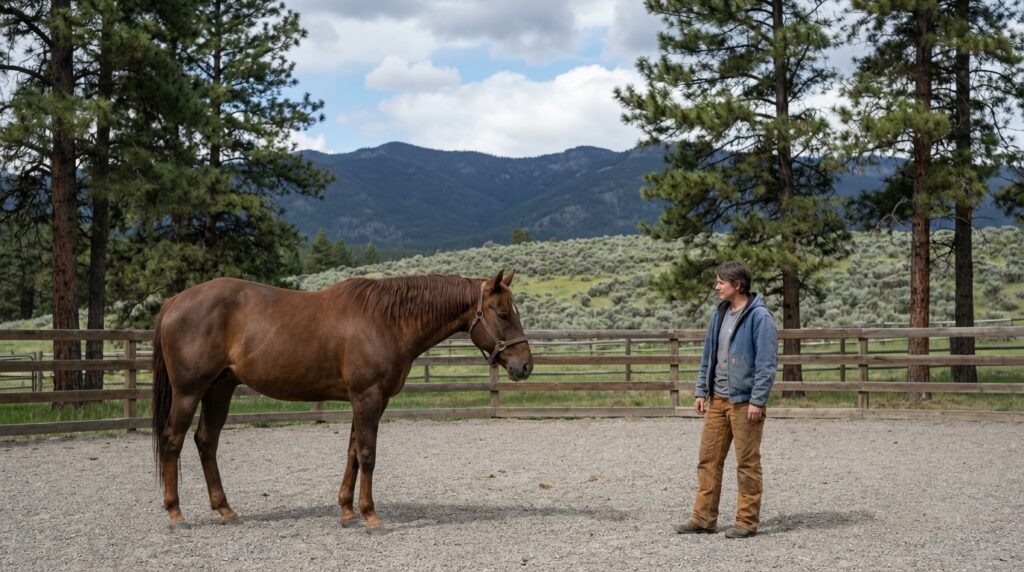
Horses themselves offer something special. They respond without judgment and help you feel grounded in the present, which can be incredibly calming when you’re struggling. For many Montanans, the open space and connection with animals feel more comfortable than a clinical setting. This is especially true for people who find sitting in an office challenging or who connect more with hands-on experiences.
Studies show that even just a handful of equine-assisted sessions can lead to significant improvements for people experiencing PTSD and anxiety—making help attainable for those who might have given up hope of finding support nearby3.
As you look for ways to start healing, keep in mind that equine therapy Montana is making care possible where other resources fall short. Next, you’ll discover the different types of equine-assisted interventions available across the state.
What Equine Therapy Montana Offers
Types of Equine-Assisted Interventions
Equine therapy Montana programs offer a variety of interventions, giving you options that match your needs and comfort level. To help you decide which path might be right for you, consider the differences between the primary approaches available in the state:
| Intervention Type | Primary Focus | Best Suited For |
|---|---|---|
| Equine-Assisted Psychotherapy (EAP) | Clinical therapy with a licensed professional and horse specialist. No riding involved. | Trauma, anxiety, depression, and relationship struggles. |
| Equine-Assisted Learning (EAL) | Skill-building, leadership, and personal development. | Schools, youth groups, and individuals seeking life skills9. |
| Therapeutic Riding | Physical balance, coordination, and confidence through riding. | Physical or developmental challenges, and building self-esteem. |
Finally, Montana’s Indigenous-led equine therapy Montana programs blend traditional horse culture with modern practices, offering a healing path rooted in community values6. Because each approach offers something different, you can find a style that fits your journey.
The Science Behind Horse-Human Connection
When you work with horses, something remarkable happens—your body and mind start to sync with the quiet, honest energy of these animals. The science behind equine therapy Montana highlights the unique, nonverbal communication between horses and humans. Horses are naturally attuned to their environment and can mirror human emotions, which helps you become more aware of your feelings and reactions during a session.
This feedback isn’t judgmental or forced; it’s simply honest and immediate. That’s why many people describe a sense of calm and acceptance around horses they haven’t found elsewhere. Montana practitioners have seen firsthand how this connection can reduce anxiety and help you manage stress. In fact, studies show that after just five sessions of equine-assisted activities, people struggling with PTSD experience statistically significant improvements in their symptoms3.
The horse’s presence encourages you to be present, release tension, and practice trust—skills that carry over into daily life. What makes this even more special in Montana is the landscape itself: working outdoors with horses lets you tap into the state’s natural beauty, making each session even more grounding and restorative.
Evidence for Trauma & Addiction Recovery
PTSD & Mental Health Outcomes
If you’ve experienced trauma or ongoing stress, you know how tough it can be to find relief that truly lasts. In Montana, equine therapy Montana is making a meaningful difference for people facing post-traumatic stress disorder (PTSD) and other mental health challenges. Recent research indicates specific benefits:
- Rapid Improvement: Just five sessions can bring about statistically significant improvements in PTSD symptoms3.
- Emotional Regulation: Participants often report feeling more grounded and less anxious.
- Connection: A renewed sense of connection to self and others.
Montana’s unique landscapes—think wide-open pastures and quiet ranches—offer a calming environment where healing feels possible. Many local programs see participants report better sleep, improved mood, and renewed hope after engaging with horses. Importantly, veterans and first responders from Billings to Missoula are finding equine therapy Montana especially helpful, as it supports a sense of trust and safety that sometimes feels out of reach in traditional office settings4.
Substance Use Disorder Treatment Results
Recovery from substance use disorder can feel overwhelming, but equine therapy Montana offers something hopeful and refreshingly different. When you participate in these programs, you’re not just attending another group session—you’re stepping into a supportive space where horses help you rebuild trust, set healthy boundaries, and practice emotional honesty.
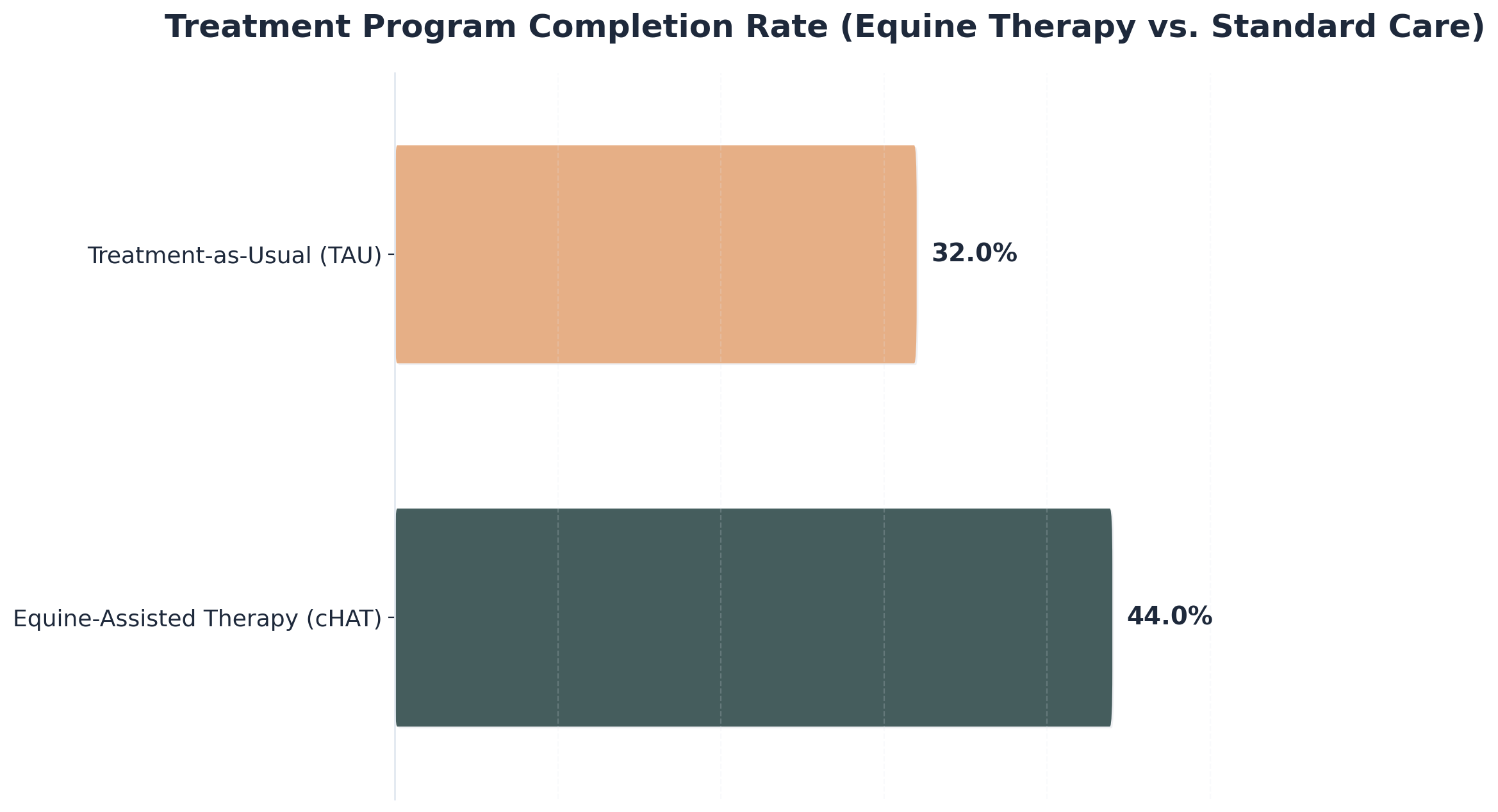
Recent research in Montana and beyond suggests that clients who add equine-assisted sessions to their usual treatment may be more likely to complete their program than those who rely on standard care alone. One study highlighted a significant difference in engagement:
Participants using complementary horse-assisted therapy showed a 44% completion rate, compared to only 32% for standard treatment, highlighting a positive trend for those seeking lasting change10.
Montana’s natural landscape adds another layer of healing, making the process feel less clinical and more connected to the land and community values. Many people in local programs—from the Hi-Line to the Bitterroot Valley—describe feeling more motivated and less isolated after working with horses. As more Montanans search for recovery options that address the whole person, equine therapy Montana stands out as a meaningful path.
Cultural Relevance for Indigenous Communities
If you’re part of an Indigenous community seeking treatment for substance use disorders, you face unique challenges rooted in historical trauma, cultural disconnection, and systemic barriers. Traditional Western treatment models often fail to address the spiritual and cultural dimensions that are essential to your healing as a Native person. Culturally relevant programs recognize that your recovery isn’t just about abstaining from substances—it’s about reconnecting with ancestral wisdom, traditional practices, and community values that support your long-term wellness.
Effective treatment for you and your community integrates traditional healing practices alongside evidence-based therapies. This might include:
- Talking circles and smudging ceremonies.
- Sweat lodges and guidance from tribal elders.
- Teachings that reinforce cultural identity as a protective factor.
Research from the Substance Abuse and Mental Health Services Administration shows that when you participate in culturally adapted interventions that incorporate traditional practices, you’re significantly more likely to complete treatment and maintain long-term sobriety. These practices honor the understanding that your healing encompasses mind, body, spirit, and community—a holistic approach that aligns with Indigenous worldviews.
Cultural relevance also means addressing the intergenerational trauma that you and many Native communities have experienced through colonization, forced assimilation, and the loss of traditional lands and practices. Treatment programs that acknowledge this historical context create safer spaces where you can process your experiences without judgment. They recognize that your substance use often stems from deeper wounds related to cultural disconnection and identity.
Programs designed with cultural relevance for Indigenous communities also involve tribal partnerships and employ Native counselors who share similar backgrounds and experiences to yours. This representation matters significantly—when you see yourself reflected in your treatment team, it builds trust and understanding that can be transformative. Studies from tribal health programs demonstrate that participants who engage with culturally grounded treatment report stronger connections to their heritage and 40-50% higher rates of sustained recovery compared to standard treatment approaches.
Finding Quality Equine Therapy Montana Programs
Credentials & Safety Standards to Verify
Choosing the right equine therapy Montana program starts with making sure your provider meets solid safety and credentialing standards. To ensure you are entering a safe and professional environment, use this checklist when vetting a facility:
- Licensure: Are the mental health professionals licensed to practice in Montana?
- Certification: Is the program certified by respected organizations like EAGALA or PATH Intl.? These groups require ongoing education and strict safety protocols8.
- Insurance: Does the program maintain up-to-date liability insurance?
- Safety Protocols: Do they follow state and national guidelines for animal welfare and client safety?
Montana’s top programs often give clear information on how they select, train, and care for their horses, and they’ll be transparent about staff backgrounds. You deserve to know that both you and the horses are in safe hands. Don’t hesitate to request information about emergency procedures, first aid training, and how the facility handles confidentiality. By choosing an equine therapy Montana provider with the right credentials, you’re setting yourself up for a more effective experience.
Cost, Insurance & Accessibility Factors
When exploring equine therapy Montana options, you deserve to know how practical factors like insurance, payment, and accessibility might shape your experience. Many programs in the state are located in rural or semi-rural areas, which can make travel challenging if you’re living outside major hubs like Billings or Missoula. However, some providers offer flexible scheduling or collaborate with local organizations to arrange transportation, making it easier for you to attend regularly.

Insurance coverage for equine therapy Montana varies. While some private insurers in Montana may reimburse for equine-assisted psychotherapy when it’s provided by a licensed mental health professional, coverage isn’t guaranteed—so ask each program about their experience with local carriers. Medicaid and Medicare usually do not cover these services, but some tribal and nonprofit programs can offer sliding scale fees or scholarships.
Session fees for equine-assisted psychotherapy typically fall between $75 and $200, which can be a barrier for families in smaller Montana towns or on fixed incomes7. Don’t hesitate to ask about payment plans, grant-funded spots, or community partnerships that might help. Your determination to seek help matters, and Montana’s providers are working to expand access so that equine therapy Montana is within reach for more people.
Frequently Asked Questions
How long does equine therapy Montana treatment typically last before showing results?
You may notice positive changes from equine therapy Montana surprisingly early in your journey. Research shows that people experiencing PTSD or anxiety often start to feel real improvements after just five sessions with horses, with benefits like less anxiety, improved mood, and greater emotional awareness3. Of course, everyone’s pace is different—some individuals might experience shifts in their first few visits, while others need more time to build trust and confidence in the process. The supportive environment and gentle presence of horses can help you feel safe to open up, making it easier to track your progress in small, meaningful steps. Healing happens at your own speed, and every step counts.
Can equine therapy Montana programs work alongside traditional outpatient treatment?
Absolutely, equine therapy Montana programs are designed to complement traditional outpatient treatment, not replace it. Many Montana providers work directly with your existing care team, so you can attend equine-assisted sessions alongside regular therapy or medication management. This blended approach can boost your progress by giving you more ways to process emotions, practice new skills, and build confidence. Research shows that combining equine therapy with standard outpatient care often leads to better program completion rates and stronger engagement for people recovering from mental health or substance use challenges10. If you’re interested, talk to your therapist or case manager about adding equine therapy Montana to your overall plan.
Do I need previous horse experience to participate in equine therapy Montana offers?
You don’t need any previous horse experience to participate in equine therapy Montana offers. These programs are designed for everyone, whether you’ve grown up around ranches or have never touched a horse before. Trained staff guide you step by step, making sure you feel comfortable and safe as you interact with the horses. The focus is on building trust, confidence, and self-awareness—skills that horses help bring out naturally. Many people actually find that starting with no expectations allows them to learn and connect in a fresh, authentic way. Your willingness to try is all you need to begin your journey with equine therapy Montana.
Are equine therapy Montana services available year-round despite harsh winters?
Yes, most equine therapy Montana programs are available all year, even with our famously tough winters. Providers across the state understand the challenges of Montana’s weather and typically offer indoor arenas or covered spaces so sessions can continue safely when temperatures drop or snow piles up. Some programs may adjust schedules during the coldest weeks, but dedicated staff work hard to keep your progress on track. The unique Montana landscape means horses and people are used to adapting, and you’ll find that resilience is part of the experience. If you have concerns about accessibility or winter travel, just ask your provider about their seasonal options.
Will my insurance cover equine therapy Montana programs for substance use disorder?
Insurance coverage for equine therapy Montana programs for substance use disorder can be tricky. Some private insurance plans in Montana will reimburse for equine-assisted psychotherapy when provided by a licensed mental health professional, but coverage isn’t guaranteed—so it’s important to check with your insurer and ask each program about their experience with local carriers. Medicaid and Medicare typically do not cover these services, but certain tribal or nonprofit programs may offer scholarships or sliding scale options7. Don’t let this discourage you; many providers are committed to helping you find a payment option that works so you can access equine therapy Montana.
What makes equine therapy Montana different from programs in other states?
What sets equine therapy Montana apart is how deeply these programs are woven into the state’s rural culture, vast landscapes, and Indigenous traditions. Unlike other regions, Montana’s approach often blends evidence-based practices with centuries-old horse culture, especially on reservations and in small towns. Many programs are held outdoors on working ranches, allowing you to connect with both horses and the natural beauty of Big Sky Country. Montana’s strong Indigenous-led initiatives also honor cultural healing methods, which can make the experience more meaningful if you’re seeking a sense of belonging and tradition6. This unique blend of community values, accessibility, and natural setting is what makes equine therapy Montana truly distinct.
Can family members participate in equine therapy Montana sessions during my treatment?
Yes, in many equine therapy Montana programs, family members can join certain sessions as part of your treatment plan. Including loved ones can strengthen trust and communication, helping everyone understand one another’s experiences in a supportive, hands-on way. Some Montana providers offer specific family sessions or workshops, while others may involve relatives on a case-by-case basis, depending on your needs and goals. If you’re interested, ask the program directly about their approach to family involvement. Research shows that a strong support network can make a difference in recovery and engagement for those participating in equine therapy Montana10.
Integrated Treatment at Healing Rock Recovery
You deserve treatment that honors both clinical excellence and your cultural identity. Healing Rock Recovery offers comprehensive dual diagnosis treatment that addresses both substance use disorders and co-occurring mental health conditions within a single, coordinated program. This integrated approach recognizes that your lasting recovery requires treating the whole person, not just isolated symptoms.
When you come to Healing Rock Recovery, you’ll work with a treatment team that includes licensed therapists, medical professionals, and culturally informed counselors who collaborate to create your personalized care plan. Evidence-based therapies like Cognitive Behavioral Therapy and Dialectical Behavior Therapy are combined with holistic practices that honor traditional healing methods. You’ll have access to talking circles facilitated by Indigenous counselors who understand the unique intersection of cultural trauma and mental health, guidance from community elders who provide cultural context for your healing journey, and ceremonial practices that reconnect you with ancestral wisdom—creating a bridge between contemporary clinical care and the cultural traditions that ground your identity.
Your dual diagnosis treatment includes individual therapy sessions, group counseling, medication management when appropriate, and family involvement opportunities. What sets Healing Rock Recovery apart is the integration of land-based healing practices alongside clinical interventions, recognizing that your connection to nature and traditional ways of knowing are essential components of wellness. You’ll receive continuous support as you navigate the complexities of managing multiple conditions simultaneously, with treatment plans that adapt to your evolving needs throughout your recovery journey.
This comprehensive model ensures that your underlying mental health challenges receive the same level of attention as substance use concerns, preventing the cycle where untreated conditions trigger relapse. By honoring both your cultural heritage and evidence-based clinical practices, you’ll build a foundation for sustainable, long-term wellness that respects who you are and where you come from.
References
- Why Montana. https://www.rbhi.org/montana
- Drug Overdose Deaths in Montana 2014-2023. https://dphhs.mt.gov/assets/publichealth/EMSTS/Data/DrugOverdoseDeaths_2014-2023.pdf
- Equine-Assisted Therapy for Posttraumatic Stress Disorder Among First Responders. https://pmc.ncbi.nlm.nih.gov/articles/PMC11437700/
- Equine-assisted interventions for veterans with posttraumatic stress disorder. https://www.frontiersin.org/journals/psychiatry/articles/10.3389/fpsyt.2023.1277338/full
- Equine-assisted services for individuals with substance use disorders. https://pmc.ncbi.nlm.nih.gov/articles/PMC9749232/
- The Helping Horse: How Equine Assisted Learning Supports First Nations Youth Healing. https://pmc.ncbi.nlm.nih.gov/articles/PMC4716821/
- How Much Does Equine Therapy Cost?. https://eagala.org/blog/equine-therapy-cost/
- Education and Training Requirements for Equine Services. https://iahaio.org/education-and-training-requirements-for-equine-services/
- At-risk Youth Receive Similar Benefits from Equine-Assisted Psychotherapy and Traditional Psychotherapy. https://pmc.ncbi.nlm.nih.gov/articles/PMC12069370/
- Complementary Horse-Assisted Therapy for Substance Use Disorder. https://pmc.ncbi.nlm.nih.gov/articles/PMC7001193/