

Key Takeaways
- Mistake 1: Accepting fragmented care instead of a truly integrated dual diagnosis treatment program.
- Mistake 2: Overlooking staff credentials and the destabilizing effect of high turnover on your therapeutic alliance.
- Mistake 3: Falling for one-size-fits-all approaches that ignore your unique professional background and clinical needs.
- The Golden Rule: True recovery requires simultaneous, coordinated treatment of both mental health and substance use by a unified clinical team.
- Proactive Prevention Plan: Verify credentials, demand individualized treatment plans, and ensure seamless communication across all your care providers to protect your professional and personal well-being.
Why Choosing the Right Dual Diagnosis Treatment Program Matters
As a professional, you understand that operational excellence and evidence-based practices are non-negotiable in your career. When evaluating a dual diagnosis treatment program for your own recovery, applying that same rigorous standard is crucial. The distinction between programs offering truly integrated care versus those addressing substance use or mental health in isolation directly correlates with treatment efficacy, professional longevity, and relapse prevention.
Effective dual diagnosis treatment recognizes that co-occurring disorders require simultaneous, coordinated intervention. For professionals managing depression alongside substance dependence, or anxiety and PTSD alongside substance use, treatment protocols must address the bidirectional relationship between these conditions. Programs lacking an integrated dual diagnosis treatment program often create gaps in care that compromise recovery outcomes. Treating one condition while leaving the other unaddressed simply perpetuates the cycle that maintains both disorders.
| Care Model | Communication Style | Clinical Outcome Impact |
|---|---|---|
| Siloed Care | Providers work independently; records are rarely shared. | High risk of medication conflicts and unaddressed root causes. |
| Parallel Care | Providers are in the same facility but treat conditions separately. | Client must act as the messenger between departments. |
| Integrated Care | Unified team creates a single, cohesive treatment plan. | Simultaneous healing, improved retention, and sustainable recovery. |
Clinical rigor matters substantially in program evaluation. When researching options, you might use Ctrl + F to search facility websites for specific evidence-based protocols. A premier dual diagnosis treatment program integrates therapeutic modalities—like cognitive behavioral therapy, dialectical behavioral therapy, and trauma-focused interventions—with medical management and holistic approaches. These programs create treatment plans that reflect the complexity of co-occurring conditions rather than applying standardized protocols designed for single-diagnosis populations.
Program structure and treatment intensity should align with your clinical needs and professional circumstances. Partial hospitalization programs provide structured therapeutic engagement while allowing you to maintain essential responsibilities. Intensive outpatient programs and virtual treatment modalities expand access if you require schedule flexibility. The appropriate level of care within a dual diagnosis treatment program depends on symptom severity, functional impairment, and support system stability—factors that shift throughout your recovery continuum.
Perhaps most critically, an effective dual diagnosis treatment program fosters therapeutic engagement through safety, clinical competence, and individualized care planning. When programs acknowledge your full clinical picture—including trauma history, cultural context, and professional circumstances—treatment adherence and skill acquisition improve measurably. Quality care isn’t simply about completing a program; it’s about accessing clinical protocols and therapeutic relationships that support sustainable recovery and successful professional reintegration. You deserve this level of comprehensive support, and taking the step to find it is a profound investment in your future.
Fragmented Care: When Treatment Silos Fail
The Integration Gap in Treatment Models
Mistake 1: Assuming Parallel Services Equal Integration
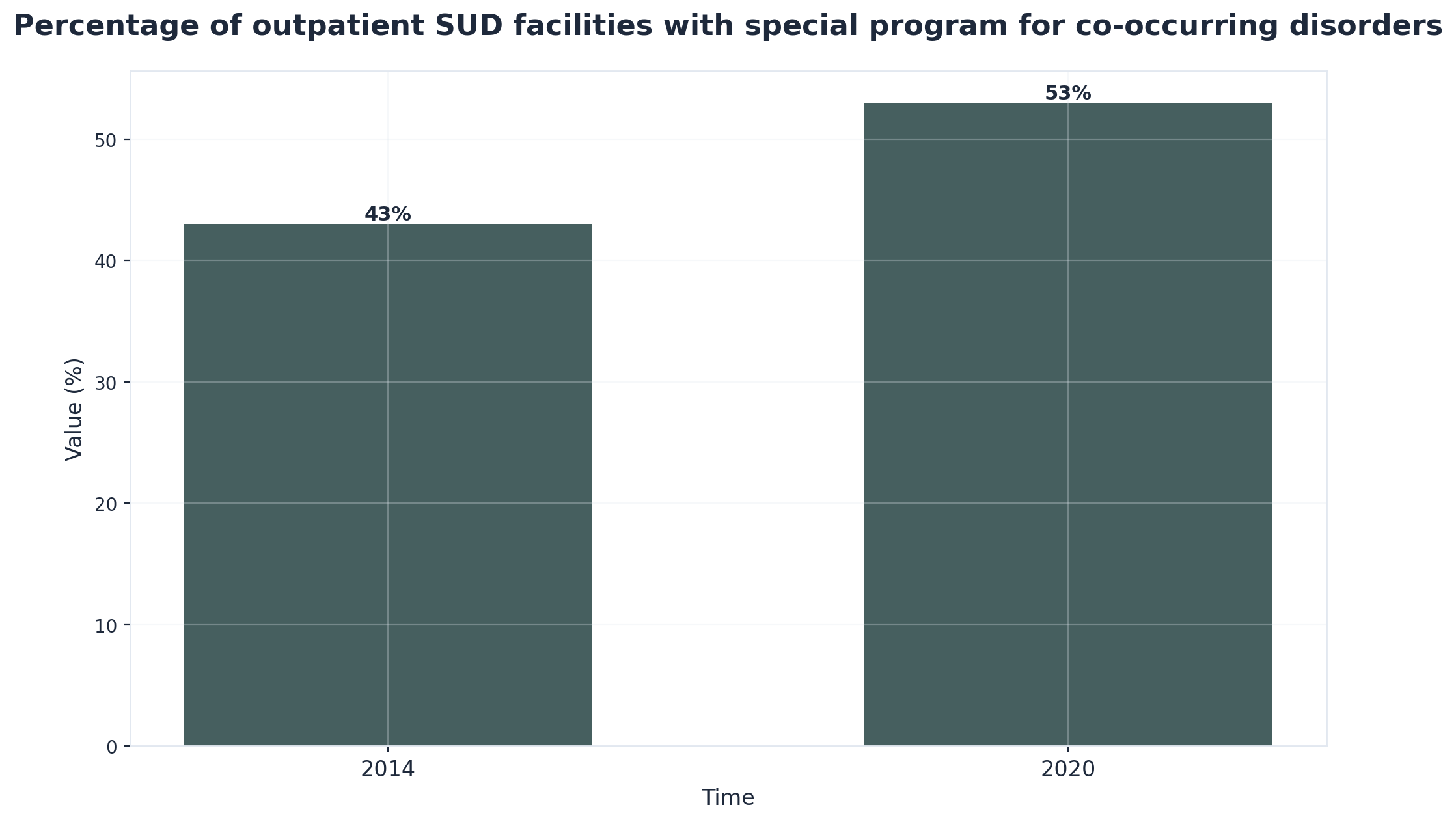
In any successful organization, you know that siloed departments lead to inefficiencies and missed opportunities. The same applies to your health. It’s easy to think that if a dual diagnosis treatment program offers both mental health and substance use services, you’re fully covered. But one of the most common pitfalls is confusing parallel care with truly integrated treatment. When teams work separately—psychiatrists on one side, substance counselors on the other—critical clinical details can fall through the cracks.
“Real integration means everyone’s on the same page, collaborating to address the full picture, not just isolated symptoms.”
When integration is missing, you may find yourself repeating your history to different providers, experiencing medication changes ignored by one team, or facing therapy goals that clash. This disconnect doesn’t just slow your progress—it can lead to relapse, medical errors, and deep frustration. Studies confirm that fragmented models result in worse outcomes compared to integrated care, with higher rates of crisis events and lower engagement in recovery1, 5.
To bridge this gap and protect your recovery investment, here is what you can do:
- Ask how often the clinical teams meet—weekly joint case reviews help prevent missed details.
- Check that treatment planning sessions involve both mental health and substance use clinicians.
- Make sure there’s a single, coordinated care plan that’s updated as you progress.
- Verify that medication management and therapy align, with clear communication between prescribers and therapists.
Yes, demanding this level of integration takes effort upfront, but every step brings your care team closer to better outcomes and safer protocols. Up next, learn how to spot warning signs that services are still operating in silos.
Warning Signs of Disconnected Services
Mistake 2: Overlooking the Telltale Signs of Disconnected Services
You work hard to maintain excellence in your professional life, so it’s incredibly frustrating when a dual diagnosis treatment program falls short on true collaboration. Disconnected services can show up in subtle but damaging ways. Common warning signs include having to repeat your story to different providers, medication changes slipping through the cracks, or therapy sessions that never mention your co-occurring issues. When staff members don’t communicate, it’s easy for important details to be missed, leading to confusion and stalled progress.
The consequences of these operational failures can be severe. Research shows that fragmented care is linked to higher relapse rates, more frequent crisis events, and a drop in engagement with treatment1, 5. When a dual diagnosis treatment program doesn’t bridge the gap, you might notice inconsistent documentation in your records, treatment goals that don’t line up, or even mismatched recommendations from different team members. These are all cues that true integration is missing.
To avoid this mistake and ensure your care is optimized, take these steps:
- Review your client records for consistency—are notes from all disciplines included?
- Note if you’ve experienced confusion about your treatment plan or medication changes.
- Check for regular, documented team meetings that include both mental health and substance use staff.
- Encourage open communication and shared goal-setting across all disciplines involved in your care.
Spotting these signals early means you can advocate for better integration and support. Yes, it’s challenging to manage your own care logistics, but every small improvement brings real progress. Next, we’ll examine how gaps in staff credentials and turnover can further undermine dual diagnosis care.
Unqualified Staff and High Turnover Risks
Credential Gaps That Compromise Care
Mistake 3: Overlooking Credential Gaps in Staff
Just as you wouldn’t hire an unqualified consultant for a critical business project, you shouldn’t accept less from your clinical team. It’s easy to assume that every dual diagnosis treatment program maintains fully qualified and appropriately credentialed staff. But when this basic expectation is missed, care quality drops—and your recovery is put at risk. Imagine a scenario where counselors without formal mental health training are tasked with handling complex trauma or medication issues. This doesn’t just stall progress; it can trigger setbacks, misdiagnoses, or even dangerous medication errors.
Programs that cut corners on staff qualifications may fill roles with “life experience” alone, overlooking the specialized training needed for co-occurring disorders. Research shows that facilities funded by certain sources are more likely to employ less-credentialed staff, which can mean less effective care for those with dual needs5. High turnover compounds the problem, making it harder to build expertise and maintain consistent, high-quality support. When credential gaps exist, even the best intentions fall short of the safety and structure you deserve.
Here’s how you can make sure this mistake doesn’t slip by:
- Request a staff roster with credentials and verify licensing for both mental health and substance use roles.
- Ask about ongoing professional development—do staff receive dual diagnosis–specific training?
- Review program descriptions to ensure clinical capabilities match the complex needs of co-occurring disorders.
- Speak up if you spot gaps; your advocacy matters, and every improvement protects your safety.
Yes, identifying credential gaps requires extra diligence, but each check builds a safer dual diagnosis treatment program experience. Up next, let’s talk about how high turnover can threaten therapeutic continuity and trust.
The Turnover Crisis and Therapeutic Alliance
Mistake 4: Underestimating the Impact of High Staff Turnover

Seeing new faces come and go in a dual diagnosis treatment program isn’t just frustrating—it deeply disrupts the sense of safety and trust you rely on to heal. Annual turnover rates for addiction counselors reach as high as 33%, with clinical supervisors not far behind at 23%6. When staff members are constantly changing, you may feel abandoned or reluctant to open up, making it harder to build the therapeutic alliance that’s so crucial for recovery10.
Why the Therapeutic Alliance Matters
The therapeutic alliance is the collaborative, trusting bond between you and your clinician. Frequent staff changes break this bond, requiring you to repeatedly restart the trust-building process. This operational friction can severely delay your clinical progress and diminish the overall return on your time in treatment.
Even the most motivated professionals can lose momentum if the people supporting them change too frequently. You might notice yourself repeating your history, feeling uncertain about treatment plans, or disengaging altogether.
Here’s how you can help prevent turnover from derailing your progress:
- Check for signs of stability—does the program highlight long-term staff or offer regular supervision and support?
- Ask about turnover rates and what’s done to support staff well-being and retention.
- Ensure leadership invests in ongoing training, team-building, and self-care resources for their staff.
- Remember that it’s okay to express concerns about transitions and ask for continuity when possible.
Yes, staff changes are sometimes unavoidable, but every effort you make to seek stability helps restore trust and strengthens the dual diagnosis treatment program for your long-term success.
Predatory Practices and Cookie-Cutter Plans
Patient Brokering and Deceptive Marketing
Mistake 5: Ignoring Patient Brokering and Deceptive Marketing
Your time, resources, and health are incredibly valuable. It’s tempting to trust a dual diagnosis treatment program that appears professional online, but predatory practices like patient brokering are a growing threat in the industry. Patient brokering occurs when programs pay third parties to refer clients—not because it’s the right clinical fit, but because it brings in profit. This can mean you end up in a setting that does not match your professional or clinical needs, risking your safety and trust.
Deceptive marketing can look like flashy websites, fake facility reviews, or even call centers that reroute inquiries to the highest bidder. For professionals seeking reliable care, these tactics create confusion, disappointment, and sometimes outright harm. Studies have shown patient brokers can receive hundreds to thousands of dollars per referral, making financial incentives more important than quality care5.
Here’s how you can protect yourself and ensure you receive ethical care:
- Ask directly if the program uses third-party referral services or call centers. Transparency is key.
- Check for real, verifiable reviews and avoid programs with too-good-to-be-true testimonials.
- Insist on a detailed, in-person or virtual clinical assessment before making any admission decision.
- Educate yourself on red flags—unexpected offers for travel, cash incentives, or vague program details.
Yes, navigating these pitfalls is tough, but your vigilance helps ensure that your choice of a dual diagnosis treatment program is rooted in ethics and clinical best practices. Next, we’ll explore why one-size-fits-all treatment models can further undermine your progress.
One-Size-Fits-All Treatment Approaches
Mistake 6: Relying on One-Size-Fits-All Treatment Approaches
You are an individual with a unique career, background, and clinical profile. It’s discouraging to watch a dual diagnosis treatment program fall back on generic, rigid treatment plans. Maybe you’ve seen programs where a client is handed a workbook that doesn’t address their trauma, or someone with severe anxiety is placed in a group that never mentions mental health at all. When programs use the same protocol for everyone, nuance gets lost—and so do people. Research shows that non-individualized care leads to disengagement and poor outcomes, especially for those with complex, co-occurring disorders5.
The impact can be subtle at first: you might feel unmotivated, progress plateaus, or symptoms resurface. Over time, these cookie-cutter plans fail to support long-term stability, leaving you feeling stuck. Every professional brings a unique set of strengths, challenges, and cultural backgrounds that deserve respect and personalized attention.
Here’s how you can help break the cycle and demand better:
- Ask to see individualized treatment plans—there should be clear goals and interventions tailored specifically to you.
- Advocate for regular plan reviews and updates based on your actual progress, not a preset timeline.
- Make sure both substance use and mental health needs are addressed together, not in isolation.
- Ensure your input is valued—collaborative planning builds trust and engagement.
Yes, tailoring care takes more effort from the clinical team, but every adjustment brings you closer to the kind of recovery that lasts. Up next, we’ll move from red flags to what truly integrated, compassionate care should look like.
Frequently Asked Questions
What should you do if you’ve already started treatment at a program with red flags?
If you discover red flags after starting treatment at a dual diagnosis treatment program, don’t panic or blame yourself—many professionals run into this situation, and course corrections are possible. First, document specific concerns: Is care fragmented? Are staff unqualified or is the approach too generic? Evidence shows that poorly integrated care leads to worse outcomes for clients with co-occurring disorders1, 5. Next, bring your observations to the program’s leadership and request a team meeting to discuss alternatives or improvements. If issues persist, seek an outside, integrated provider for a second opinion or transition plan. Every step you take, even small ones, helps protect your clients’ safety and progress.
How can you verify a program’s accreditation and staff credentials before enrolling?
To verify a dual diagnosis treatment program’s accreditation and staff credentials, start by asking for proof of accreditation from recognized bodies, such as CARF or The Joint Commission. These organizations ensure programs meet specific safety and quality standards4. Next, request a current staff roster showing each team member’s credentials and licensing. Don’t hesitate to check online licensing boards for verification. Ask about ongoing staff training in both mental health and substance use—programs with properly credentialed staff deliver safer, more effective care5. Every step you take to confirm qualifications helps set clients up for lasting, positive outcomes.
What questions should you ask during a facility tour to identify potential integration issues?
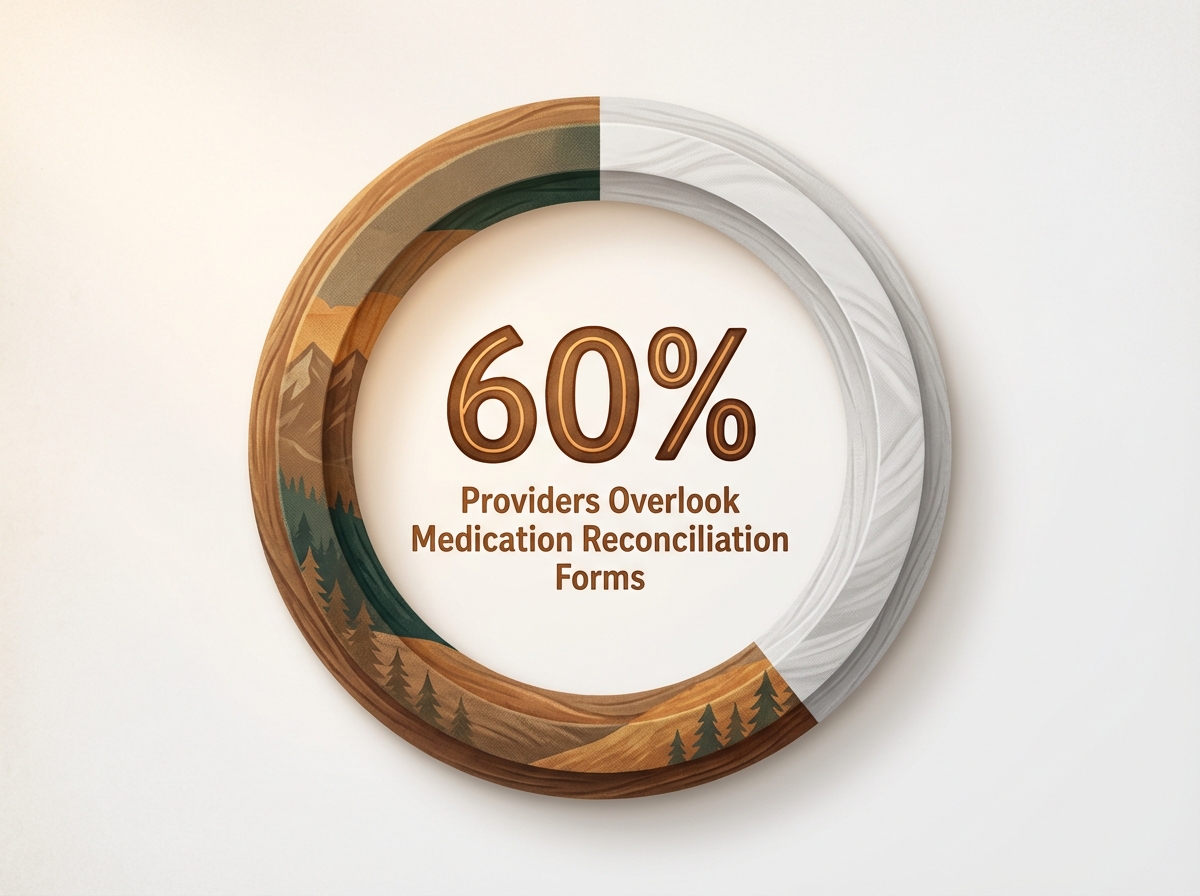
When touring a facility, ask questions that reveal how well the dual diagnosis treatment program integrates mental health and substance use care. Start by asking, “How often do mental health and substance use teams meet together to discuss client progress?” Request examples of integrated treatment plans and how both issues are addressed in therapy sessions. Inquire about how medication changes are communicated between providers—nearly 60% of medication reconciliation forms can be overlooked without strong coordination9. Also, ask if all staff receive cross-training in co-occurring disorders. Your careful questions help you spot true integration and prevent clients from slipping through the cracks.
How do you know if a program’s discharge planning is adequate for ongoing recovery?
To know if a dual diagnosis treatment program’s discharge planning is strong, look for a plan that includes clear follow-up appointments, connection to outside providers, and practical relapse prevention steps. Adequate discharge planning should start early, involve both client and family, and address both mental health and substance use needs. According to research, timely follow-up care—ideally within a week of discharge—greatly reduces the risk of relapse or crisis8. Ask if the plan outlines who to contact in an emergency, how medications will be managed, and what ongoing supports (like therapy or peer groups) are arranged. A thorough discharge plan is a safety net for lasting recovery.
What’s the difference between medication-assisted treatment and medication management in dual diagnosis programs?
Medication-assisted treatment (MAT) and medication management are both important in a dual diagnosis treatment program, but they serve different purposes. MAT refers specifically to using FDA-approved medications—like buprenorphine or naltrexone—alongside therapy to treat substance use disorders, especially opioid or alcohol dependence. Medication management, on the other hand, means monitoring and adjusting all psychiatric and addiction medications to ensure safety, manage side effects, and coordinate care for co-occurring mental health conditions. In a quality dual diagnosis treatment program, both MAT and comprehensive medication management should work together, supporting lasting recovery and reducing relapse risk1, 5.
Can virtual dual diagnosis treatment programs provide the same quality of integrated care as in-person options?
Virtual dual diagnosis treatment programs can deliver the same level of integrated care as in-person options when built around strong collaboration, evidence-based practices, and real-time communication. The key is that virtual care must include regular team meetings, thorough assessments, and easy access to both mental health and substance use services. Research shows that telehealth is expanding rapidly in this field, helping to reduce barriers for rural and underserved clients while maintaining quality when integration standards are met5. To ensure effective care, check that your program personalizes treatment plans, uses secure platforms, and supports ongoing teamwork across disciplines. Every effort to connect virtually can bring meaningful, lasting progress for your clients.
Finding an Integrated Dual Diagnosis Treatment Program
As a professional in your field, you already understand that integrated treatment for substance use and mental health disorders isn’t just a clinical preference—it’s essential for sustainable outcomes. When you’re seeking care for yourself, the question becomes: what distinguishes truly coordinated integrated care from programs that simply house multiple services under one roof? It’s okay to ask these hard questions; expecting the best for your health is a sign of strength.
Effective integrated treatment requires seamless coordination protocols between clinical disciplines. Look for a dual diagnosis treatment program where your psychiatrist, therapist, and medical team share treatment planning in real-time—not just at weekly case conferences. For example, coordinated CBT and DBT approaches paired with medically assisted treatment allow your therapy sessions to address both substance use patterns and underlying mental health symptoms simultaneously. Trauma-informed protocols ensure that PTSD or complex trauma treatment doesn’t inadvertently trigger relapse risks, while your MAT regimen supports the emotional regulation work happening in therapy.
Proactive Prevention Checklist:
[ ] Verify facility accreditation (e.g., Joint Commission, CARF)
[ ] Confirm dual diagnosis credentials of the clinical staff
[ ] Request a sample integrated treatment plan
[ ] Review discharge and aftercare protocols
[ ] Ensure flexible scheduling (PHP/IOP) aligns with your career
The clinical team’s qualifications matter significantly. You’ll want providers experienced specifically in dual diagnosis work—not just addiction specialists or mental health clinicians working in parallel. Programs offering flexible PHP and IOP structures, including virtual options, recognize that professionals need treatment that adapts to real-world constraints without compromising clinical intensity. Whether you’re exploring holistic approaches that incorporate experiential therapies alongside evidence-based protocols, or need trauma-informed care that addresses the root causes driving both conditions, an integrated dual diagnosis treatment program ensures every intervention reinforces the others. Your recovery deserves that level of clinical sophistication and coordination. Every step forward counts, and you are entirely capable of making this empowering choice.
References
- SAMHSA Substance Abuse and Mental Health Services Administration. Managing Life with Co-Occurring Disorders.. https://www.samhsa.gov/mental-health/serious-mental-illness/co-occurring-disorders
- National Center for Biotechnology Information. Tracking the Quality of Addiction Treatment Over Time and Across States.. https://www.ncbi.nlm.nih.gov/books/NBK559647/
- National Institute on Alcohol Abuse and Alcoholism. Alcohol Use Disorder and Common Co-occurring Conditions.. https://www.niaaa.nih.gov/health-professionals-communities/core-resource-on-alcohol/mental-health-issues-alcohol-use-disorder-and-common-co-occurring-conditions
- CARF International. ASAM Level of Care Certification.. https://carf.org/loccertification/
- PMC NCBI. Barriers to Implementing Individualized Substance Abuse Treatment.. https://pmc.ncbi.nlm.nih.gov/articles/PMC3738209/
- PMC NCBI. How Serious of a Problem is Staff Turnover in Substance Abuse Treatment.. https://pmc.ncbi.nlm.nih.gov/articles/PMC2937083/
- NIDA. Doctors Reluctant to Treat Addiction.. https://nida.nih.gov/news-events/news-releases/2024/07/doctors-reluctant-to-treat-addiction-most-commonly-report-lack-of-institutional-support-as-barrier
- PMC NCBI. Ensuring Continuity of Care: Effective Strategies for Post-Hospitalization Transition.. https://pmc.ncbi.nlm.nih.gov/articles/PMC10863747/
- NCBI Bookshelf. Adverse Drug Reactions.. https://www.ncbi.nlm.nih.gov/books/NBK599521/
- PMC NCBI. The Therapeutic Alliance: The Fundamental Element of Psychotherapy.. https://pmc.ncbi.nlm.nih.gov/articles/PMC6493237/