

Key Takeaways: Your Path Forward
- Assess Your Needs: Determine if you are experiencing both mental health symptoms and substance use challenges simultaneously.
- Check Your Location: Identify if you are in a rural provider shortage area or near an urban center to decide between in-person or telehealth options.
- Verify Coverage: Confirm if your insurance (Medicaid or private) covers integrated care models.
- Take Action: Use the resources below to contact a primary care provider or specialist for dual diagnosis treatment Montana.
Understanding Dual Diagnosis Treatment Montana
What Co-Occurring Disorders Really Mean
Navigating recovery can feel overwhelming, but understanding the basics is your first tool for success. Dual diagnosis treatment Montana is designed for individuals facing co-occurring disorders—meaning you are living with both a mental health condition (such as depression, anxiety, or PTSD) and a substance use disorder simultaneously. Think of this like trying to heal a broken leg while battling the flu; if you only treat the leg, the flu will keep you bedridden, and vice versa.
For many people, mental health struggles and substance use feed into one another, creating a cycle that is difficult to break without integrated support. In Montana, approximately 28% of adults in the public mental health system are also living with a substance use disorder3.
| Mental Health Challenge | Common Substance Interaction | Resulting Cycle |
|---|---|---|
| High Anxiety | Alcohol or Sedatives (to calm down) | Rebound anxiety increases when substance wears off. |
| Depression | Stimulants (to feel energy) | Crash leads to deeper depressive episodes. |
| PTSD/Trauma | Opioids (to numb pain) | Emotional processing is blocked, preventing healing. |
You have mastered this concept when you can recognize that both conditions require equal attention. Whether you are a business owner noticing these patterns in employees or seeking help for a loved one, recognizing the need for dual diagnosis treatment Montana is the pivotal first step toward wellness.
Montana’s Unique Dual Diagnosis Landscape
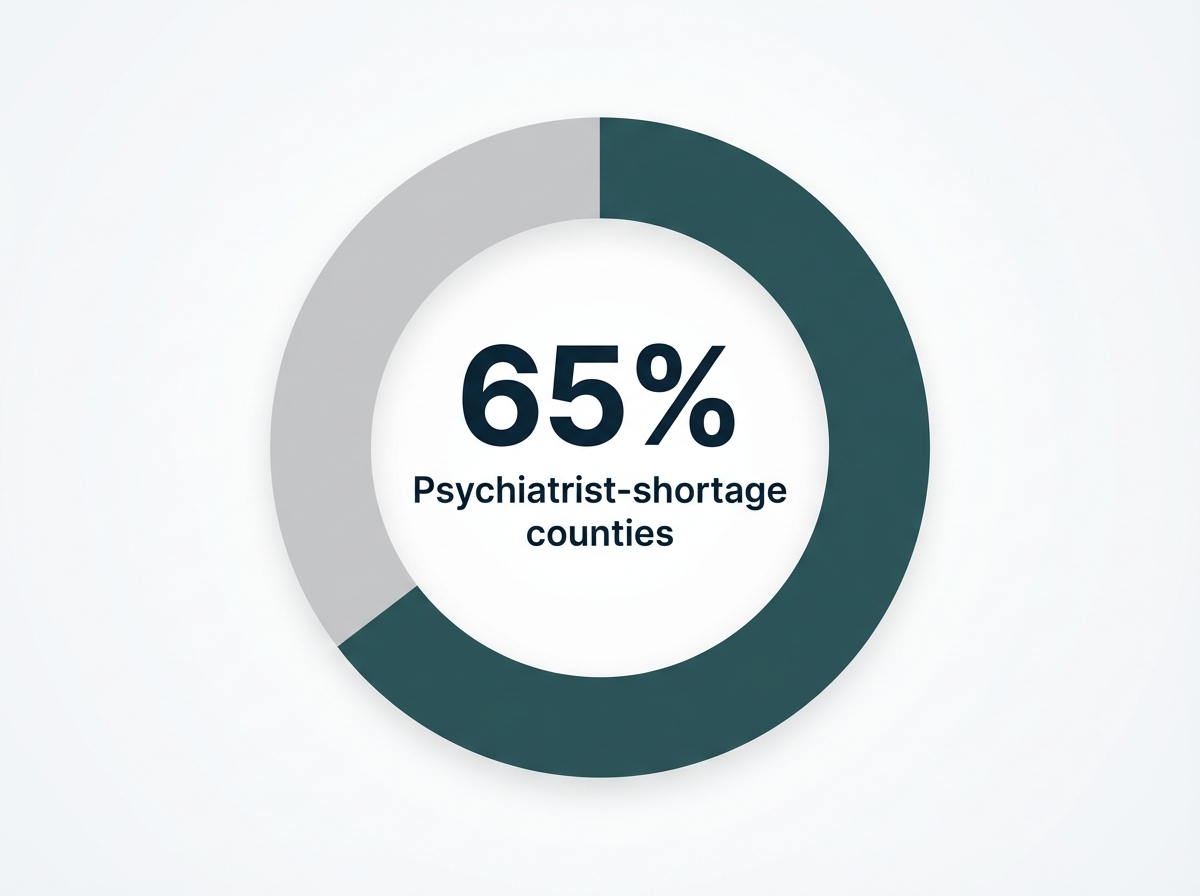
Montana’s geography shapes how care is delivered. While our wide-open spaces are beautiful, they create logistical hurdles for healthcare. Approximately 60% of rural Montanans reside in areas designated as mental health provider shortage zones, and 65% of nonmetropolitan counties lack a psychiatrist entirely8. This means finding dual diagnosis treatment Montana often requires navigating distance and availability.

However, the state is innovating to meet these needs. Policy changes and Medicaid expansion have significantly increased access. Since 2016, the number of authorized substance use disorder treatment locations has more than doubled, and 59% of adult Medicaid patients now receive care in primary practices that integrate behavioral health2.
Click to Expand: Practical Assessment Tool
Mapping Your Resources:
- Identify Location: Are you in an urban hub (Billings, Missoula) or a rural county?
- List Barriers: Is the biggest hurdle distance (miles to travel), waitlists, or lack of specialists?
- Identify Strengths: Do you have a strong local primary care doctor? Is your internet connection stable for telehealth?
Action: If distance is your barrier, prioritize telehealth options. If lack of specialists is the barrier, look for Integrated Primary Care.
Understanding this landscape helps you set realistic expectations. You are ready to move forward when you can identify one specific challenge in your area and one potential solution, such as telehealth or integrated primary care.
Why Integrated Dual Diagnosis Treatment Montana Changes Outcomes
The Evidence Behind Simultaneous Care
Integrated care—treating mental health and substance use at the same time—is the gold standard for recovery. When you engage in dual diagnosis treatment Montana that is integrated, you are addressing the whole person rather than fragmented symptoms. Research indicates that patients in integrated programs are more likely to remain in treatment, experience fewer relapses, and see tangible improvements in their daily lives9.
“Nationally, research shows that only about 6% of people with co-occurring conditions actually receive integrated care, even though it produces better outcomes than treating each issue separately.”6
In Montana, the shift toward this model is evident, with 59% of adult Medicaid patients receiving care in clinics where mental health and substance use support are co-located2. This approach minimizes the risk of falling through the cracks and ensures that your treatment team is communicating effectively about your progress.
How Sequential Treatment Falls Short
Sequential treatment involves addressing one issue first—usually the substance use—before tackling mental health, or vice versa. This method often leads to a “revolving door” of recovery and relapse. If you treat the addiction but ignore the underlying depression, the depression may trigger a relapse. Conversely, treating anxiety without addressing substance use may render therapy ineffective due to intoxication or withdrawal.
Consider the logic of a computer system error:
IF (Treat_Addiction_Only) THEN
   Mental_Health_Symptoms = INCREASE
   Risk_of_Relapse = HIGH
ELSE IF (Treat_Mental_Health_Only) THEN
   Substance_Use = BLOCKS_PROGRESS
   Therapy_Effectiveness = LOW
ELSE (Integrated_Care)
   Recovery_Potential = OPTIMIZED
Despite guidelines supporting integration, many people still receive split treatment. Recognizing the limitations of sequential care empowers you to advocate for dual diagnosis treatment Montana programs that offer comprehensive, simultaneous support.
Accessing Dual Diagnosis Care Across Montana
Overcoming Rural Access Barriers
If you live outside of Montana’s major cities, accessing dual diagnosis treatment Montana requires a strategic approach. With over 60% of rural residents living in provider shortage areas8, traditional specialist centers may be hours away. However, creative solutions are bridging this gap.
Primary care clinics are increasingly becoming the front line for recovery. Nearly half of all substance use disorder treatment in the state is now delivered by primary care providers2. These clinics often utilize a “hub and spoke” model, consulting with distant specialists to manage your care locally. Additionally, community health workers and peer support groups are vital resources in isolated areas4.
Actionable Steps for Rural Residents:
- Step 1: Contact your local primary care clinic and ask if they offer “Integrated Behavioral Health.”
- Step 2: Ask about “Mobile Crisis Units” or visiting specialists who rotate through your county.
- Step 3: Connect with local peer support to find carpooling or transport assistance to distant centers.
Virtual Treatment Options That Work
Telehealth has revolutionized access to dual diagnosis treatment Montana. Virtual care allows you to consult with psychiatrists, therapists, and counselors via video or phone, bypassing geographic barriers. Recent changes to Medicare and Medicaid have expanded coverage for these services, including audio-only visits for those with limited internet bandwidth7.
Virtual options are particularly effective for maintaining privacy and consistency. You can attend group therapy from your living room or manage medications without taking a full day off work to travel. This flexibility is crucial for business owners and employees trying to balance recovery with professional responsibilities.
Practice This: To get started with virtual care, you will typically need to follow a simple setup process. Use the checklist below to prepare:
Telehealth Readiness Checklist:
- Verify your internet connection speed (or phone signal strength).
- Find a private, quiet space where you will not be disturbed.
- Have your insurance card and list of current medications ready.
- Test the video platform (Zoom, Doxy.me, etc.) before your first appointment.
What Effective Treatment Programs Include
Choosing the right program is a critical decision. When evaluating dual diagnosis treatment Montana, you should look for specific evidence-based components that signal a high-quality program. Effective care is not one-size-fits-all; it requires a tailored approach that respects your medical history and personal goals.

Use this guide to evaluate potential treatment centers. A robust program should offer the following core services:
- Comprehensive Assessment:
The clinical team should evaluate your physical health, mental health status, and substance use history together. This ensures your plan addresses your specific needs rather than applying a generic template. - Medical Detoxification:
If needed, safe withdrawal management is essential. Professionals monitor vital signs and manage symptoms to reduce health risks and increase comfort. - Evidence-Based Therapies:
Look for Cognitive Behavioral Therapy (CBT) to change thought patterns, Motivational Interviewing to strengthen commitment, and Group Therapy to build peer networks. - Integrated Dual Diagnosis Care:
The program must address both conditions simultaneously. This is the defining feature of effective dual diagnosis treatment Montana. - Family Involvement:
Services should include family therapy and education to repair relationships and build a supportive home environment. - Aftercare Planning:
Quality programs develop detailed discharge plans, including ongoing therapy, support groups, and strategies for managing triggers in the real world.
While these components define quality treatment nationwide, Montana residents should also ask about specific local considerations, such as telehealth follow-up options for those returning to rural communities.
Frequently Asked Questions
Will my insurance cover dual diagnosis treatment in Montana?
Most insurance plans, including Medicaid and many private carriers, do cover dual diagnosis treatment Montana—especially when care is provided by licensed programs or in integrated primary care settings. Montana’s Medicaid program has expanded access, with 59% of adult Medicaid patients now receiving behavioral health care in practices that offer both mental health and substance use support together2. Coverage details can vary by plan, so it’s smart to call your insurer or the treatment provider directly to confirm what’s included. Remember, you have the right to ask for help navigating your insurance so you can get the care you need.
How do I know if I need dual diagnosis treatment or just addiction treatment?
If you notice ongoing mental health concerns—like anxiety, depression, mood swings, or trauma symptoms—alongside struggles with substance use, you may need dual diagnosis treatment Montana rather than just addiction treatment. Sometimes, it’s hard to tell where one challenge ends and another begins, as mental health and substance use can fuel each other. About 28% of adults in Montana’s public mental health system also have a substance use disorder, which shows how common this overlap really is3. If you’re unsure, seek an assessment from a provider experienced in both areas. You deserve care that addresses the whole you, not just one part.
What if I live hours away from the nearest dual diagnosis treatment center?
If you live hours from the nearest dual diagnosis treatment Montana center, you still have options for support. Many primary care clinics now offer integrated behavioral health services, meaning you can start your recovery journey with your local doctor or clinic—even in rural areas. Nearly half of all substance use disorder treatment in Montana happens in primary care settings, especially outside major cities2. Telehealth is another powerful tool: you can meet with counselors or join therapy groups by phone or video, making care accessible from anywhere in the state7. Reaching out to a local provider is a great first step—you’re not alone.
Can I receive dual diagnosis treatment while maintaining my job?
Yes, you can receive dual diagnosis treatment Montana while continuing to work. Many programs now offer flexible scheduling, including evening or online sessions, so you don’t have to choose between your job and your health. In Montana, integrated behavioral health services are often available right in primary care clinics, and nearly half of all substance use disorder treatment happens in these settings—which helps working adults fit care around their schedules2. Employers are also becoming more supportive, and some offer Employee Assistance Programs (EAPs) that connect you to confidential counseling and recovery services. Remember, your health and stability are important, and you deserve support that fits your life.
What happens if my mental health symptoms get worse during substance use treatment?
If your mental health symptoms get worse during substance use treatment, you aren’t alone—and this is actually a sign that you may need integrated, dual diagnosis treatment Montana. Sometimes, as substance use decreases, underlying anxiety, depression, or trauma can become more noticeable. The best step is to let your care team know right away so your treatment plan can be adjusted to address both mental health and substance use together. Programs that provide integrated care have been shown to improve outcomes and help people feel better supported and less overwhelmed9. Remember, your needs matter—you deserve care that treats the whole you.
Are there dual diagnosis treatment options that respect Indigenous cultural practices in Montana?
Yes, there are dual diagnosis treatment Montana programs that respect Indigenous cultural practices. Some providers collaborate with tribal communities to offer care that blends traditional healing, spiritual support, and evidence-based therapies. This can include ceremonies, working with elders, or incorporating Native values into group work. While access varies across regions, Montana’s recent investments in rural and culturally responsive care are helping more Indigenous people find support that feels welcoming and honors their heritage4. If you or a loved one seek this kind of care, ask local clinics or tribal health centers about programs that integrate Indigenous cultural practices.
How long does dual diagnosis treatment typically take to see improvement?
The length of dual diagnosis treatment Montana varies based on your unique needs, but many people begin to notice improvements within several weeks to a few months. Because dual diagnosis care addresses both mental health and substance use together, steady progress often takes time—especially if challenges have been present for a while. National research shows that integrated treatment leads to better and faster improvement than treating each condition separately9. Remember, recovery isn’t a race. Celebrate every small step forward, and trust that lasting change is possible with consistent support. Your journey is your own, and it’s okay to take the time you need.
Starting Your Recovery Journey in Montana
With a clear understanding of effective treatment components, you are ready to find evidence-based dual diagnosis treatment Montana programs. Taking the first step toward recovery requires courage, but the state offers concrete pathways to begin healing. Whether you are seeking help for yourself or supporting a loved one, understanding your specific options makes the journey less overwhelming.
Start by reaching out to a treatment provider who can assess your unique situation. If you are in crisis, the Montana Addiction Help Line provides 24/7 confidential support. You can dial 1-800-662-4357 for immediate referrals. Many facilities offer free consultations to discuss treatment options, insurance coverage, and what to expect. This initial conversation helps you determine if inpatient, outpatient, or intensive outpatient care best fits your needs.
Montana’s recovery community provides tangible support networks throughout your journey. With over 200 weekly AA and NA meetings across the state—from Missoula’s Turning Point Center to Billings’ Friendship Center—you will find peer support in both urban hubs and smaller communities. The Montana Peer Network connects you with certified peer recovery specialists who understand your experience firsthand. These relationships often become vital resources during challenging moments.
Don’t let uncertainty delay your decision to seek help. Recovery becomes more achievable when you have the right support system. Dual diagnosis treatment Montana providers understand the unique challenges you face—whether that is geographic isolation, stigma in tight-knit communities, or limited local resources—and stand ready to guide you. Your recovery journey begins with a single call; reach out today to explore your options and start moving toward lasting wellness.
References
- Montana Substance Use Disorders Task Force Strategic Plan. https://dphhs.mt.gov/assets/publichealth/EMSTS/opioids/MontanaSubstanceUseDisordersTaskForceStrategicPlan.pdf
- 2024 Primary Care and Behavioral Health Integration Issue Brief. https://mthf.org/wp-content/uploads/2024-PC-BH-Issue-Brief.pdf
- Montana 2020 Uniform Reporting System Mental Health Data Results. https://www.samhsa.gov/data/sites/default/files/reports/rpt35308/Montana.pdf
- Montana Rural Health Transformation Program. https://dphhs.mt.gov/RuralHealthTransformationProgram/
- Co-Occurring Disorders and Health Conditions. https://nida.nih.gov/research-topics/co-occurring-disorders-health-conditions
- Substance Use Disorder and Mental Illness Often Go Hand in Hand—Both Must Be Addressed. https://www.columbiapsychiatry.org/news/mental-health-and-substance-use-disorders-often-go-hand-hand-both-must-be-addressed
- Telehealth Models for Increasing Access to Behavioral and Mental Health Treatment. https://www.ruralhealthinfo.org/toolkits/telehealth/2/care-delivery/behavioral-health
- A Call to Action to Address Rural Mental Health Disparities. https://pmc.ncbi.nlm.nih.gov/articles/PMC7681156/
- Integrating Mental Health and Addiction Treatment into General Medical Care Settings. https://pmc.ncbi.nlm.nih.gov/articles/PMC7606646/
- Efficacy of Harm Reduction Strategies. https://mattersnetwork.org/efficacy-of-harm-reduction/