

Key Takeaways
- Definition: The dual diagnosis meaning refers to the simultaneous presence of a substance use disorder and a mental health disorder requiring coordinated care.
- Integrated Approach: Treating both conditions concurrently is statistically proven to reduce relapse risks and improve long-term stability.
- Prevalence: Co-occurring disorders are common, affecting nearly half of all individuals with substance use disorders.
- Relevance: This information is vital for industry professionals and individuals seeking comprehensive, evidence-based recovery solutions.
Unpacking the Dual Diagnosis Meaning
The Clinical Definition Explained
The clinical definition of dual diagnosis meaning describes a person who is living with both a substance use disorder and a mental health disorder at the same time. Think of it like having two medical conditions—such as diabetes and high blood pressure—except here, one is related to mental health (like depression or anxiety) and the other involves substance use (such as alcohol or opioids).
These conditions don’t exist in separate silos; they interact with each other, making both harder to manage on their own.
Clinically, dual diagnosis means that symptoms of mental illness and substance use often overlap, which can make diagnosis and treatment more complex. For example, someone with depression may turn to alcohol to feel better, but alcohol can make depression worse. This creates a cycle that is tough to break without addressing both issues together. Research shows that nearly 8% of adults in the U.S. have a dual diagnosis, highlighting just how common this is in practice.4
Understanding the clinical definition of dual diagnosis meaning helps you recognize why integrated, not separate, treatment approaches are essential for real progress. Up next, let’s look at just how frequent these co-occurring disorders are.
How Common Co-Occurring Disorders Are
How common are co-occurring disorders? The numbers reveal just how big this challenge is. In the United States, about 21.2 million adults—roughly 8% of the adult population—are living with both a substance use disorder and a mental health condition at the same time.4 That’s nearly one out of every twelve adults you might meet at a community event or in a workplace.
It’s not just a rare exception—it’s something that touches almost every community. If you zoom in on certain groups, the rates can be even higher:
- Serious Mental Illness: About 25% of people in this group also have a substance use problem.5
- Homelessness: Among those facing homelessness and serious mental illness, the figure skyrockets to nearly 78%.3
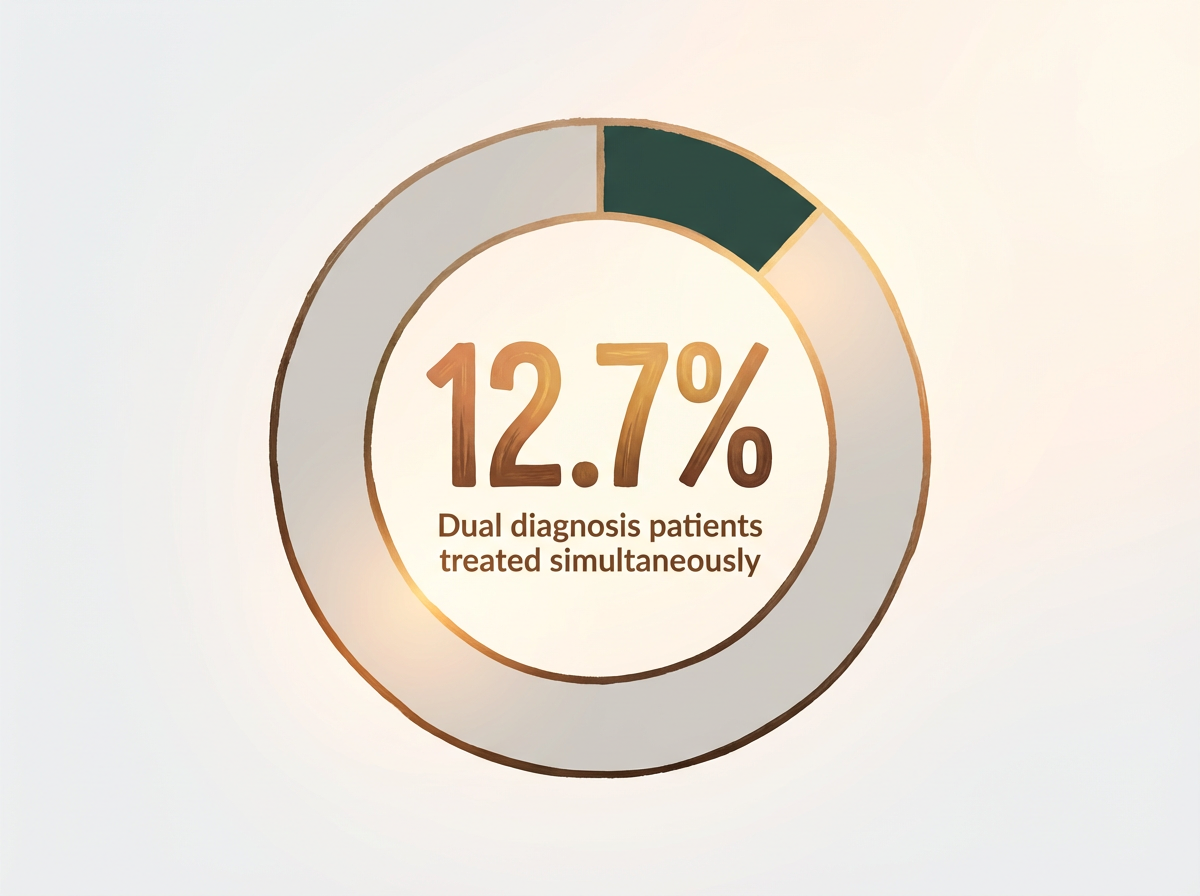
These statistics show you’re not alone in facing these intertwined challenges, and they also highlight why understanding dual diagnosis meaning is so important for effective care. Even though so many people are affected, only about 12.7% get treatment that actually addresses both conditions together.5 That makes it clear—there’s still a long way to go in closing the treatment gap.
The Dual Diagnosis Meaning Behind Interaction and Worsening Symptoms
The Self-Medication Cycle Explained
Why does it seem like mental health struggles and substance use so often go hand-in-hand? The answer lies in something called the self-medication cycle. When someone is dealing with depression, anxiety, or trauma, they might reach for substances like alcohol, opioids, or stimulants to try to feel better—at least for a little while. It’s a bit like using a bandage on a deep wound: it covers things up temporarily but doesn’t actually heal the problem.

Click to understand the feedback loop
Over time, the brain and body start to rely on these substances to cope with tough feelings. But there’s a catch—the very substances that seem to help at first can actually make mental health symptoms worse in the long run. For example, alcohol might numb sadness for an evening, but it often leads to more intense depression the next day. This creates a loop: mental health symptoms lead to substance use, which then makes those symptoms even harder to manage.
That’s why breaking the self-medication cycle is such a challenge for so many people living with both conditions. Research supports this pattern, showing that unmet mental health needs make people more likely to use substances as a way to cope.2 Understanding the self-medication cycle is a key part of grasping the dual diagnosis meaning, as it highlights the push-and-pull that keeps both struggles so tightly linked.
Biological and Genetic Connections
When you look at the dual diagnosis meaning, it helps to picture the brain as a complex control center—a bit like the motherboard in a computer. If one circuit gets overloaded, it can trigger issues elsewhere. With dual diagnosis, biology and genetics often set the stage for both mental health disorders and substance use problems to show up together.
Some people are born with genetic differences that make them more sensitive to stress, or more likely to develop anxiety, depression, or addiction. Imagine inheriting a set of blueprints from your family; certain parts might make you more vulnerable to both mental health challenges and substance cravings. Recent research points to specific genes that can increase the risk for both types of disorders at the same time, not just one or the other.6
But genes don’t act alone—the environment matters too. Things like trauma, early life stress, or ongoing pain can switch these genetic risks “on,” changing how the brain works. For example, repeated stress can lead to changes in brain chemistry that make it harder to feel pleasure or manage emotions, increasing both substance use and mental health symptoms.2 Understanding these biological and genetic links gives you more insight into why dual diagnosis meaning involves such deeply connected conditions.
Key Components of Effective Treatment
Integrated Care vs. Sequential Approaches
Let’s break down the difference between integrated care and sequential approaches when it comes to treating people with both a mental health disorder and a substance use disorder. Imagine trying to fix a bike that has both a flat tire and broken brakes. If you only fix the tire and ride off without repairing the brakes, you’re still not safe. That’s what happens with the sequential approach—one problem is treated at a time, often by different teams or at different times, which can leave the other issue getting worse or ignored.
| Treatment Approach | Methodology | Typical Outcome |
|---|---|---|
| Sequential Care | Treats one condition at a time (e.g., detox first, then therapy later). | Higher risk of relapse; underlying triggers often remain unaddressed. |
| Integrated Care | Tackles both issues simultaneously with a coordinated team. | Improved symptom management, stable housing, and reduced legal issues.9 |
Integrated care is proven to work better. Research shows that people who receive integrated care for dual diagnosis see more improvement in their symptoms compared to those who get help for just one issue at a time.9 When you really understand dual diagnosis meaning, it’s clear why integrated care matters so much. These challenges often feed into each other, so breaking the cycle takes a team effort focused on the whole person—not just their symptoms.
Evidence-Based Therapies That Work
When exploring the dual diagnosis meaning, it’s clear that no single therapy fits everyone. Instead, a mix of proven approaches gives people the best shot at real recovery. Think of your treatment toolbox as having several strong tools—each designed for a different job, but all working together.
- Cognitive Behavioral Therapy (CBT): This helps people notice patterns in their thinking and behavior that keep both mental health symptoms and substance use going. For example, someone might learn to spot thoughts like “I can’t cope unless I drink,” and then practice new ways to handle stress.
- Trauma-Informed Care: This approach recognizes that past hurts can fuel both mental health struggles and substance use. By creating a safe space and building trust, trauma-informed therapy helps people heal without feeling judged or unsafe.
- Medication-Assisted Treatment (MAT): Often part of the solution, especially for conditions like opioid use disorder or depression. Medications can help balance brain chemistry, making it easier to focus on therapy and daily life.
Importantly, these therapies don’t work in silos—they’re most effective when combined in an integrated care plan that addresses both conditions at once.9 Learning about the dual diagnosis meaning shows you that progress can be slow and steady, but each step matters.
Overcoming Barriers to Dual Diagnosis Care
The Treatment Gap and Access Challenges
You know how frustrating it can be to see a clear need and yet watch so many people slip through the cracks. That’s exactly what happens with the dual diagnosis meaning—when someone has both a substance use disorder and a mental health condition, only a small portion get care for both at the same time. In fact, fewer than 13% of people facing both challenges actually receive integrated treatment that tackles both their substance use and mental health needs together.5

This treatment gap isn’t just a number—it’s the lived reality for millions. Imagine trying to build a bridge with half the materials missing; progress feels slow, and setbacks are common. Some of the biggest barriers include not enough trained professionals, long waitlists, and limited services in rural or underserved communities. Even when someone is ready and motivated, insurance hurdles and confusing systems can keep them from getting the right help.
These access challenges add another layer of difficulty for those already managing complex symptoms. Yes, it’s tough, but each step taken to improve access—whether through flexible programs, telehealth, or more education—brings us closer to closing that treatment gap.
Addressing Stigma in Recovery
Stigma is one of the toughest barriers you face when helping people with co-occurring mental health and substance use disorders. Even though dual diagnosis meaning describes a medical condition—just like diabetes or asthma—many still experience shame, blame, or even discrimination. This stigma can come from the public, but it can also show up in healthcare settings or within families.
Imagine someone walking into a clinic for help, but instead of support, they sense judgment. That feeling alone can keep people from seeking the care they need, or from staying engaged in recovery.
Research shows that stigma doesn’t just hurt feelings—it actually blocks people from accessing treatment and worsens health outcomes.10 You can make a huge difference by using respectful language, listening without judgment, and advocating for integrated care. Remind your peers and clients: everyone deserves dignity, and recovery is possible for all. Yes, changing attitudes is slow work, but every time you challenge a stereotype or offer encouragement, you chip away at the wall of stigma.
Finding Integrated Treatment That Works
Finding the right integrated treatment program when you’re a professional in the field requires a different level of discernment. You understand the clinical landscape intimately, which means you know exactly what to look for—and what compromises aren’t acceptable. Dual diagnosis treatment that addresses both mental health and substance use simultaneously isn’t just clinically sound; it’s essential for sustainable recovery, particularly when you’re navigating treatment while maintaining your professional identity.


As someone who understands treatment modalities, you’ll want providers who can match your level of clinical sophistication. Look for programs offering comprehensive dual diagnosis treatment approaches that integrate evidence-based interventions seamlessly. The medical team should demonstrate genuine expertise in the neurobiological intersections between mental health conditions and substance use—not surface-level understanding, but the kind of depth that earns your professional respect. This matters especially when you’re the one in the client chair.
Confidentiality takes on heightened significance when you’re seeking dual diagnosis treatment as an industry professional. You need assurance that your treatment remains separate from professional networks, that peer relationships stay protected, and that your recovery journey doesn’t compromise your standing in the field. Quality programs recognize these unique concerns and structure their dual diagnosis treatment protocols accordingly, often offering flexible scheduling that accommodates professional responsibilities.
Whether you need the intensive structure of a partial hospitalization program or the flexibility of an intensive outpatient program—including virtual dual diagnosis treatment options—the right fit honors both your clinical needs and your professional realities. You’re taking a courageous step that demonstrates the same commitment to wellness you’ve encouraged in others. Finding dual diagnosis treatment that respects your expertise while providing the support you need makes this transition possible.
Frequently Asked Questions
Can you have a dual diagnosis without realizing it?
Yes, it’s possible to have a dual diagnosis without realizing it. Many people experience symptoms like sadness, anxiety, or trouble focusing and may not connect these to underlying mental health or substance use issues. Sometimes, one set of symptoms overshadows the other, making it easy to miss the full picture. For example, someone might seek help for depression but not mention drinking more than usual—or vice versa. The dual diagnosis meaning covers both, even if one is hidden. In fact, research shows that nearly half of those with substance use disorders also have mental health conditions, yet many go undiagnosed for years 1. Recognizing both is a big step toward recovery.
Is dual diagnosis the same as having multiple mental health conditions?
No, dual diagnosis is not the same as having multiple mental health conditions. Dual diagnosis meaning specifically describes when someone has both a mental health disorder and a substance use disorder at the same time. For example, living with depression and an alcohol use disorder fits the dual diagnosis definition, while having depression and anxiety without any substance use issue would not. It’s easy to see why people mix up these terms, but understanding the difference helps guide the right kind of care. Research confirms that about half of those with a substance use disorder also experience a mental health disorder in their lifetime 1.
What happens if only one condition gets treated?
If only one condition gets treated—say, just the substance use or just the mental health disorder—the other is likely to get worse or trigger a relapse. It’s like fixing a leaky roof but ignoring the mold underneath; the problem keeps coming back. With dual diagnosis meaning both conditions are tightly linked, focusing on one while neglecting the other often leads to frustration and repeated setbacks. Research shows that people who receive integrated treatment for both conditions have better outcomes, including fewer symptoms and a lower risk of returning to use or crisis 9. Every step toward treating the whole person matters in long-term recovery.
How long does dual diagnosis treatment typically take?
The length of dual diagnosis treatment really depends on each person’s needs and the severity of both conditions. There’s no set timeline—some people may need a few months, while others benefit from longer-term support, sometimes lasting a year or more. Remember, the dual diagnosis meaning involves tackling both substance use and mental health symptoms together, so treatment is often step-by-step. Like learning a new skill, progress takes time and patience, and relapses or setbacks can be part of the journey. Research shows that integrated treatment over an extended period leads to better outcomes and lasting recovery 9. Every week in treatment is a step toward greater stability.
Are certain mental health conditions more likely to co-occur with substance use?
Yes, some mental health conditions are more likely to show up alongside substance use disorders. Depression, anxiety, bipolar disorder, PTSD, and schizophrenia top the list. Imagine these conditions as magnets—they tend to attract substance use because people may try to cope with tough feelings or symptoms by using alcohol, stimulants, or other drugs. For instance, research shows that about half of people with a substance use disorder will also experience a mental health disorder at some point in their lives 1. This strong connection shapes the dual diagnosis meaning and highlights why both issues must be addressed together for real progress.
Can you fully recover from a dual diagnosis?
Yes, full recovery from a dual diagnosis is possible, though it may take time and ongoing effort. Recovery doesn’t always mean life is perfect or symptoms never return—it means you can manage both your mental health and substance use in a way that lets you live a meaningful, stable life. Think of dual diagnosis meaning like tending a garden: with the right care, support, and tools, growth and change happen, even if weeds pop up now and then. Research shows that integrated treatment—addressing both conditions together—leads to better, longer-lasting outcomes than treating one issue alone 9. Every positive step counts, so keep encouraging hope and persistence.
Conclusion
You’ve taken an important step by learning about integrated treatment options. As someone who works in this field, you understand better than most what comprehensive dual diagnosis care looks like—the coordination required, the evidence base, the therapeutic relationships that make the difference. Now it’s time to access that same level of integrated treatment for yourself.
The path forward comes with unique considerations for professionals in our field. You may be weighing questions about confidentiality among peers, licensure protection, or how treatment fits with your current caseload. These concerns are valid and worth addressing directly with any program you’re considering. What matters most is finding dual diagnosis treatment that respects both your professional expertise and your personal recovery needs—care that addresses your mental health and substance use challenges together, not in isolation.
Your next step might be reaching out to programs that offer flexible scheduling options like partial hospitalization programs or intensive outpatient treatment, including virtual formats that provide privacy and convenience. You already know what quality integrated treatment involves; trust that knowledge as you evaluate your options. Your professional identity and your recovery journey aren’t separate paths—they’re part of the same commitment to growth, healing, and helping others from a place of authentic strength.
References
- Dual Diagnosis (Co-Occurring Disorders). https://my.clevelandclinic.org/health/diseases/24426-dual-diagnosis
- Co-Occurring Disorders and Health Conditions. https://nida.nih.gov/research-topics/co-occurring-disorders-health-conditions
- A Call for Standardized Definition of Dual Diagnosis. https://pmc.ncbi.nlm.nih.gov/articles/PMC2880934/
- Dual-Diagnosis: Serious Mental Illness and Co-Occurring Substance Use Disorders. https://www.tac.org/wp-content/uploads/2024/01/Dual-Diagnosis.pdf
- Co-Occurring Disorders and Other Health Conditions. https://www.samhsa.gov/substance-use/treatment/co-occurring-disorders
- Common Comorbidities with Substance Use Disorders Research. https://www.ncbi.nlm.nih.gov/books/NBK571451/
- Integrated vs non-integrated treatment outcomes in dual diagnosis. https://pmc.ncbi.nlm.nih.gov/articles/PMC10157410/
- Treatment of Co-Occurring PTSD and Substance Use Disorder in VA. https://www.ptsd.va.gov/professional/treat/cooccurring/tx_sud_va.asp
- Integrated Treatment for Co-Occurring Disorders: Building Your Program. https://library.samhsa.gov/sites/default/files/ebp-kit-building-your-program-10112019.pdf
- Stigma and Discrimination. https://nida.nih.gov/research-topics/stigma-discrimination