

Key Takeaways
- Essential Prerequisites: Access to state licensing boards, an understanding of evidence-based modalities, and clear clinical goals for integrated care.
- Step 1: Verify the licensure and specialized training of the dual diagnosis counselor to ensure they meet professional standards.
- Step 2: Assess their treatment philosophy, confirming they use proven methods like CBT or DBT and integrate medication-assisted treatment effectively.
- Step 3: Build a strong therapeutic alliance by evaluating essential qualities, cultural competence, and personal fit.
- Outcome: You will successfully partner with a qualified dual diagnosis counselor who provides safe, integrated, and medically supervised treatment for co-occurring disorders.
Understanding Integrated Treatment Approaches with a Dual Diagnosis Counselor
Why Integrated Care Outperforms Sequential Treatment
Integrated care gives you a stronger chance at long-term recovery, especially when working with a dedicated dual diagnosis counselor. Instead of separating mental health and substance use into different stages or treating them one after another, integrated care blends both areas into one coordinated plan. This approach means your team understands the whole picture from the start and can adjust support as your needs change.


Research shows that people receiving integrated treatment experience fewer hospitalizations, better quality of life, and greater satisfaction with their care than those who go through sequential treatment, where disorders are addressed separately and often by different providers2. When you choose integrated care, your dual diagnosis counselor and other team members work together, making sure therapies, medications, and support systems line up perfectly.
This makes progress more visible and setbacks less overwhelming. Because everyone is on the same page, you avoid gaps where symptoms can slip through or become worse. In fact, studies highlight that integrated treatment for co-occurring disorders leads to improvements across many areas of life, including reduced emergency visits, more stable housing, and stronger day-to-day functioning2.
Yes, this model can be challenging—blending multiple therapies and team members isn’t always easy—but each step forward strengthens the foundation for lasting change. Every win, big or small, is worth celebrating. If you’re looking for business efficiency and better clinical outcomes, integrated care isn’t just a best practice—it’s the proven path forward. Next, you’ll learn how to identify the right credentials and licensure so you can trust the professionals guiding your journey.
Key Credentials and Licensure Requirements
Selecting a qualified dual diagnosis counselor means looking beyond job titles and trusting the credentials that truly matter. You know that treating co-occurring substance use and mental health disorders requires specialized education, current licensure, and real experience in both fields. To practice independently, a counselor must complete a master’s degree in counseling or a closely related field, which includes hands-on internships and supervised training.
Each state sets its own requirements, but most demand hundreds—if not thousands—of supervised hours and passage of recognized exams3. Licensure is your assurance that a professional meets these strict standards. Look for designations like Licensed Professional Counselor (LPC), Licensed Clinical Professional Counselor (LCPC), or Licensed Mental Health Counselor (LMHC), which confirm that the provider is legally authorized to diagnose and treat mental health and substance use issues.
Keep in mind, requirements can vary by state, so it’s essential to verify that the counselor’s license is up-to-date and valid for your location3. Specialized training in dual diagnosis is a must, not a bonus. The most effective counselors have completed extra coursework or certification focused on integrated treatment for co-occurring disorders. This ensures they’re equipped to handle the complex dynamics of substance use and mental health together, not separately.
Yes, navigating these rules can feel overwhelming, but every step you take toward finding a licensed, properly trained professional brings you closer to reliable, safe treatment support. After understanding these credentials, you’ll be ready to verify licensure and specialized training in the next step.
Step 1: Verify Licensure and Specialized Training for a Dual Diagnosis Counselor
When evaluating dual diagnosis programs for referrals or collaborative care, verifying clinical credentials establishes the foundation of quality integrated treatment. Programs serving co-occurring disorders require staff with active licenses across multiple disciplines. This multidisciplinary credentialing ensures clients receive comprehensive care that addresses both mental health and substance use dimensions simultaneously.
- Psychiatry: For advanced medication management and psychiatric evaluations.
- Psychology: For deep psychological testing and evidence-based therapies.
- Clinical Social Work: For systemic support, case management, and therapy.
- Addiction Counseling: For specialized substance use disorder interventions.
Beyond baseline licensure, specialized training in integrated treatment approaches distinguishes an exceptional dual diagnosis counselor. Look for evidence of continuing education in co-occurring disorder treatment methodologies, certifications in evidence-based modalities like cognitive behavioral therapy and dialectical behavioral therapy, and demonstrated competency in treating the complex interplay between mental health symptoms and substance use patterns.
“The clinical team’s direct experience with co-occurring disorders matters significantly when considering referral partnerships. Programs with seasoned dual diagnosis specialists bring nuanced clinical judgment to complex presentations—understanding how anxiety disorders may fuel substance use, how withdrawal can mimic psychiatric symptoms, or how trauma underlies both conditions.”
This depth of experience translates to more accurate assessments, appropriate treatment planning, and better client outcomes. Board-certified psychiatrists with dual diagnosis expertise represent a critical component of comprehensive programs. Medication management for co-occurring disorders requires sophisticated understanding of psychopharmacology—how psychiatric medications interact with substances, which medications support recovery without creating new dependencies, and when medically assisted treatment enhances outcomes.
Programs employing prescribers who view mental health and substance use as integrated rather than separate conditions deliver more effective pharmacological support. State licensing boards maintain accessible databases for credential verification, including disciplinary history and license status. When checking state databases, you might use a search query format similar to this to find qualified professionals:
License Type: LCPC or LCSW
Specialty: Dual Diagnosis
Status: Active
Press Enter to filter your results and ensure the dual diagnosis counselor holds the proper credentials. Quality dual diagnosis programs welcome this professional scrutiny and maintain transparent credentialing practices. This verification process protects both referring professionals and the clients they serve.
Specialized training in trauma-informed care adds substantial value to dual diagnosis programs. Given the high prevalence of trauma among individuals with co-occurring disorders, programs incorporating trauma therapy address root causes rather than surface symptoms. This specialized expertise creates safer therapeutic environments and supports deeper, more sustainable recovery outcomes for clients navigating the intersection of trauma, mental health challenges, and substance use.
Step 2: Assess Treatment Philosophy and Methods
Evidence-Based Modalities That Work
When you’re choosing a dual diagnosis counselor, you want to see a commitment to evidence-based modalities—approaches that are proven to work for both substance use and mental health symptoms. The most effective professionals in this field blend therapies like cognitive behavioral therapy (CBT), dialectical behavior therapy (DBT), and motivational interviewing into their care.

These methods help clients challenge unhelpful thinking, develop better coping skills, and build motivation for lasting change. Multiple studies confirm that integrating these therapies leads to improved outcomes, including reduced substance use, fewer psychiatric symptoms, and greater stability in day-to-day life9. A strong dual diagnosis counselor doesn’t just pick one technique and stick with it.
Instead, they tailor their approach to each client’s needs, often combining several modalities in a flexible, person-centered manner. For example, CBT can be especially helpful for addressing negative thought patterns linked to depression or anxiety, while DBT works well for emotion regulation and self-destructive behaviors. Motivational interviewing is valued for its ability to strengthen commitment to recovery. The real power comes from using these tools together, adapting as clients grow and face new challenges.
Below is a table outlining key evidence-based modalities and what they offer:
| Modality | Main Focus | Benefit to Clients |
|---|---|---|
| Cognitive Behavioral Therapy (CBT) | Restructuring negative thoughts | Reduces symptoms, supports relapse prevention |
| Dialectical Behavior Therapy (DBT) | Emotional regulation and distress tolerance | Builds coping skills, lowers self-harm risk |
| Motivational Interviewing | Enhancing readiness for change | Increases engagement and motivation |
Yes, it takes effort to assess these details, but every step toward an evidence-based approach brings your clients closer to recovery. Up next, you’ll review how to evaluate a candidate’s experience with medication-assisted treatment and integration.
Evaluating Medication-Assisted Treatment Integration
When you’re evaluating a dual diagnosis counselor, it’s essential to look at how they integrate medication-assisted treatment (MAT) into their care approach. MAT combines FDA-approved medications with counseling and behavioral therapies, offering a whole-person strategy for managing substance use and mental health symptoms together. The most effective dual diagnosis counselors understand that MAT isn’t a standalone solution—it needs to work hand-in-hand with therapy, care coordination, and ongoing progress monitoring.
Ask about the counselor’s experience collaborating with prescribers, psychiatrists, and primary care providers. You want to see clear communication across your client’s support network so that medication, therapy, and lifestyle interventions reinforce each other. Studies highlight that integrated treatment—including MAT—improves outcomes like reduced substance use, fewer psychiatric symptoms, and greater day-to-day stability for people with co-occurring disorders9.
A strong dual diagnosis counselor will tailor MAT recommendations to the individual, considering their history, preferences, and readiness for change. They should also be transparent about the goals and limitations of medication, setting realistic expectations while celebrating each milestone. Here’s a table summarizing what to look for in MAT integration:
| Assessment Area | Why It Matters | Key Questions to Ask |
|---|---|---|
| Collaboration | Ensures care is coordinated | How do you work with prescribers? |
| Personalization | Addresses unique client needs | How is MAT tailored to each scenario? |
| Monitoring & Adjustment | Tracks progress and adjusts as needed | How do you monitor and adjust treatment? |
Yes, this process takes extra effort, but every thoughtful question helps you find a dual diagnosis counselor who can deliver truly integrated, effective care. Next, you’ll learn how to identify the personal qualities and relational skills that strengthen the therapeutic alliance.
Step 3: Build Strong Therapeutic Alliance
Essential Qualities in Your Counselor
Building a strong therapeutic alliance starts with the essential qualities you look for in a dual diagnosis counselor. Trust is at the center—when you feel safe opening up, real progress becomes possible. The best counselors show empathy and respect, taking the time to listen without judgment. You should notice that they validate your experiences and encourage open communication, even when the topics are tough.
Consistency and reliability matter, too. A dual diagnosis counselor who is dependable helps you develop confidence in the process, making it easier to stick with treatment. Look for professionals who bring flexibility and creativity, adapting their approach as your needs shift. Recovery isn’t a straight line, so you need someone who can meet you where you are, celebrate your strengths, and offer hope when things feel overwhelming8.
A strong therapeutic partnership is a better predictor of success than any single treatment technique, according to research7. That means qualities like warmth, honesty, and a nonjudgmental attitude are not just nice-to-haves—they’re critical to lasting change. Every moment of honest connection moves you forward, no matter how small the step. Next, you’ll learn how cultural competence and personal fit also play a key role in building a great client-counselor relationship.
Navigating Cultural Competence and Personal Fit
Cultural competence and personal fit can make all the difference in the work you do with a dual diagnosis counselor. When you feel seen and understood for who you are—including your background, values, and beliefs—it becomes easier to trust the process and engage fully in treatment. A culturally responsive counselor pays close attention to your identity, traditions, and lived experiences, not just as a checklist but as an active part of your care plan.
This approach is especially important in dual diagnosis treatment, where stigma or misunderstanding can already make it tough to open up about your needs4. Personal fit is just as important as cultural awareness. You want to feel a natural sense of comfort and connection—someone who “gets” you, listens deeply, and adapts their style to match what works best for you.
Sometimes, shared cultural or language background helps, but it’s the counselor’s openness and willingness to learn from you that matters most. Research suggests that a good client-counselor match leads to higher engagement and better outcomes, even when differences exist7. Here’s a table showing what to consider as you navigate cultural competence and personal fit:
| Factor | What to Look For | Why It Matters |
|---|---|---|
| Cultural Awareness | Respect for your identity, traditions, and needs | Builds trust and breaks stigma |
| Communication Style | Listens, adapts, and invites feedback | Supports honest dialogue |
| Personal Connection | Feels warm, approachable, and genuinely interested | Increases comfort and engagement |
Yes, building this kind of connection takes time and patience, but every effort you make to find the right fit can lead to more meaningful, lasting progress. Next, you’ll see how to apply these insights when searching for integrated dual diagnosis support.
Frequently Asked Questions
What happens if the first dual diagnosis counselor I choose isn’t the right fit?
If the first dual diagnosis counselor you select isn’t the right fit, it’s completely normal to feel disappointed or frustrated. You’ve already taken a big step by reaching out for integrated support, and switching counselors can feel like a setback. But remember—finding the right therapeutic match often takes time and persistence. Research supports that a strong personal connection and sense of trust play a major role in treatment success, sometimes even more than the techniques themselves 7. If you don’t feel comfortable or understood, it’s okay to try someone new. Each attempt brings you closer to a counselor who truly understands your needs and style. You’re making progress, even if it doesn’t feel perfect yet.
How long does it typically take to see progress with a dual diagnosis counselor?
The timeline for seeing progress with a dual diagnosis counselor truly varies. Some people notice small changes in mood, coping skills, or daily routines within a few weeks. For others, especially when working through complex trauma or adjusting to new medications, it can take several months before meaningful shifts appear. Progress is not always a straight line—there are ups, downs, and plateaus along the way. What matters most is that your dual diagnosis counselor tracks your goals and checks in regularly about what’s working. Research shows that when therapists use outcome monitoring and give feedback, clients see better results and fewer setbacks 7. Remember, every sign of growth—no matter how small—is worth celebrating. You’re moving forward, even if it feels slow at times.
Can I work with a dual diagnosis counselor virtually, or does treatment need to be in-person?
Yes, you can absolutely work with a dual diagnosis counselor virtually, and many people find this option just as effective as in-person treatment. Virtual sessions, often called telehealth or teletherapy, use secure video platforms so you can connect with your counselor from home or another private location. Recent advances in technology and changing professional guidelines mean more counselors are offering these services, making support accessible even if you live in a rural area or have scheduling challenges. Research shows that telehealth can provide outcomes comparable to in-person care for both mental health and substance use needs 4. The key is making sure your dual diagnosis counselor is licensed in your state and uses a secure, HIPAA-compliant platform to protect your privacy. Yes, it may feel different at first, but every step toward connection—virtual or face-to-face—counts in your recovery journey.
What’s the difference between a dual diagnosis counselor and a regular therapist?
A dual diagnosis counselor is trained specifically to treat both substance use and mental health disorders at the same time, while a regular therapist usually focuses on just one area—most often mental health. This means a dual diagnosis counselor understands how depression, anxiety, PTSD, or other mental health concerns interact with substance use, and they use integrated treatment plans to address both together. Regular therapists may not have the specialized training or daily experience needed for co-occurring disorders, so their care might not cover the full picture. Research shows that clients working with dual diagnosis counselors in integrated models have better outcomes than those seeing therapists who only address one issue 2.
How do I know if my counselor is tracking my progress effectively?
To know if your counselor is tracking your progress effectively, look for regular check-ins about your goals and changes in symptoms or behaviors. An effective dual diagnosis counselor will ask for your feedback, review your progress at set intervals, and adjust your treatment plan as needed. They might use simple tracking tools, outcome questionnaires, or structured discussions to measure how you’re doing. Research shows that when counselors give you feedback based on these tools, clients achieve better results and experience fewer setbacks 7. If you feel heard and see your treatment evolving in response to your needs, that’s a sign your progress is being monitored well.
Should my dual diagnosis counselor work with my other healthcare providers?
Yes, your dual diagnosis counselor should work with your other healthcare providers whenever possible. This kind of collaboration helps everyone stay on the same page, making your treatment safer and more effective. When providers share information and coordinate care, you’re less likely to experience gaps or conflicting advice. Research shows that care coordination leads to better health outcomes, greater satisfaction, and fewer setbacks for people dealing with substance use and mental health challenges 10. It’s normal to feel nervous about sharing personal details, but a well-coordinated team can help you reach your goals faster and with more support. Remember, every effort to communicate is a win for your recovery.
Finding Integrated Dual Diagnosis Support
Integrated dual diagnosis models represent a fundamental shift from sequential treatment approaches—and understanding this distinction shapes how effectively treatment professionals can serve clients with co-occurring disorders. Rather than addressing substance use first and mental health second (or vice versa), integrated care recognizes these conditions as interconnected from the start.
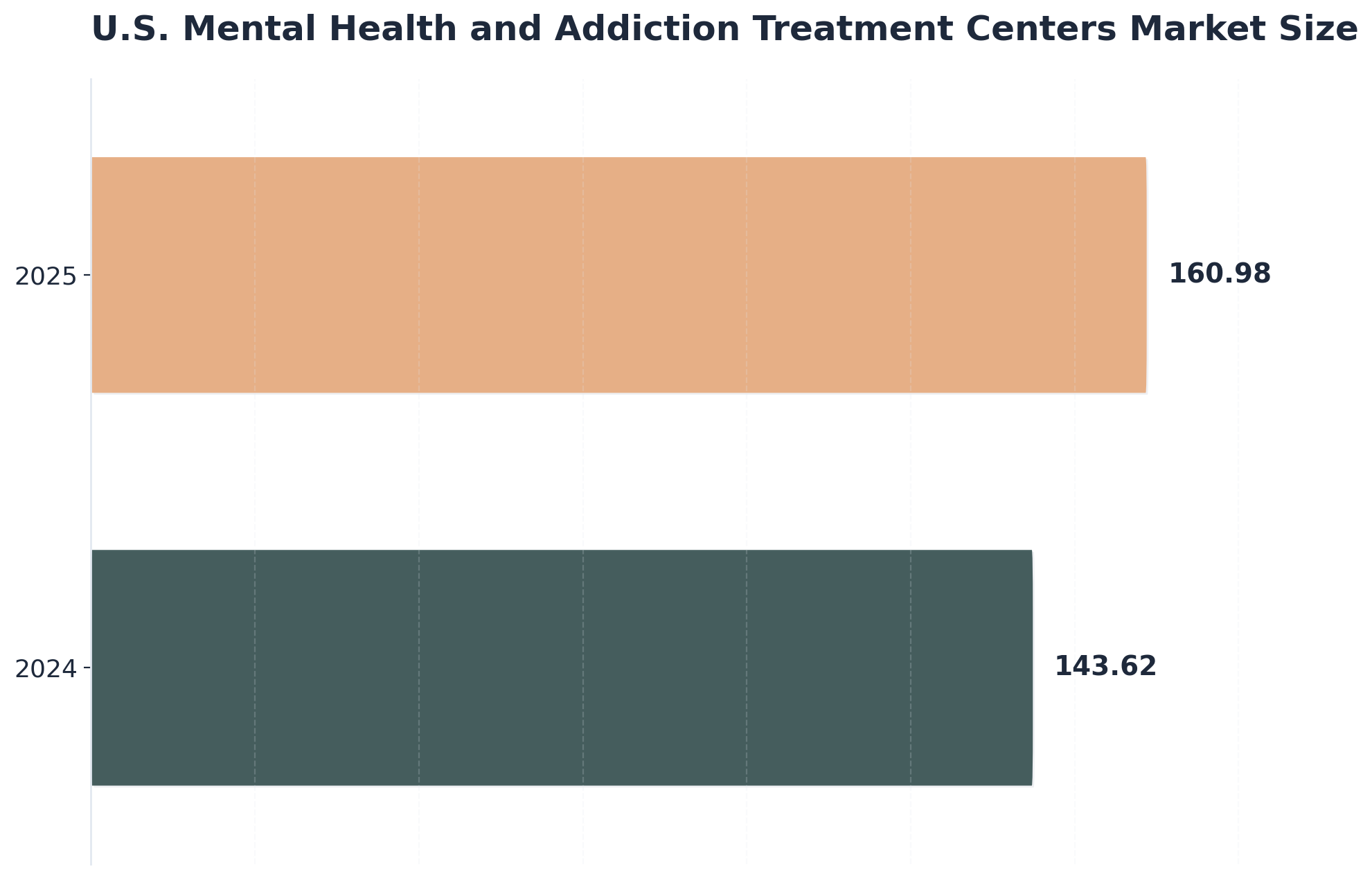
The clinical architecture of effective integrated programs centers on coordinated care teams where mental health clinicians and a dual diagnosis counselor collaborate throughout treatment rather than operating in separate silos. This structural integration allows professionals to address how depression, anxiety, PTSD, or other mental health conditions interact with substance use patterns—connections that become invisible when treatment happens sequentially.
Research consistently demonstrates that integrated approaches produce better retention rates and more sustainable outcomes than traditional models that treat these conditions separately. When evaluating dual diagnosis programs, treatment professionals should examine specific integration markers: Does the clinical team share treatment planning responsibilities? Are therapists cross-trained in both addiction and mental health interventions? How does the program coordinate medication management with therapeutic approaches?
Programs with genuine integration will demonstrate clear protocols showing how both aspects of care inform each other throughout the treatment continuum. The professional standard for dual diagnosis treatment has evolved significantly—effective care now requires seeing the complete clinical picture rather than treating symptoms in isolation. This integrated framework recognizes that sustainable recovery depends on addressing all contributing factors simultaneously, which ultimately serves both client outcomes and program efficacy.
References
- Managing Life with Co-Occurring Disorders – SAMHSA. https://www.samhsa.gov/mental-health/serious-mental-illness/co-occurring-disorders
- Treatment Models and Settings for People With Co-Occurring Disorders – NCBI. https://www.ncbi.nlm.nih.gov/books/NBK571024/
- Professional Counselor Licensure Requirements Guide – ACA. https://www.counseling.org/resources/licensure-requirements
- Finding a Mental Health Professional – NAMI. https://www.nami.org/living-with-a-mental-health-condition/finding-a-mental-health-professional/
- About The ASAM Criteria – American Society of Addiction Medicine. https://www.asam.org/asam-criteria/about-the-asam-criteria
- Substance Abuse, Behavioral Disorder, and Mental Health Counselors – Bureau of Labor Statistics. https://www.bls.gov/ooh/community-and-social-service/substance-abuse-behavioral-disorder-and-mental-health-counselors.htm
- Psychotherapy and Therapeutic Relationship – StatPearls – NCBI. https://www.ncbi.nlm.nih.gov/books/NBK608012/
- Experiences of Professional Helping Relations by Persons with Co-Occurring Disorders – NIH. https://pmc.ncbi.nlm.nih.gov/articles/PMC5814541/
- Integrated Treatment of Substance Use and Psychiatric Disorders – NCBI. https://pmc.ncbi.nlm.nih.gov/articles/PMC3753025/
- Care Coordination Strategies for Patients Can Improve Substance Use Disorder Outcomes – Pew Research. https://www.pew.org/en/research-and-analysis/issue-briefs/2020/04/care-coordination-strategies-for-patients-can-improve-substance-use-disorder-outcomes