

Key Takeaways
- Decision Flowchart: Assess mental health and substance use simultaneously; if both are present, route immediately to integrated care rather than sequential tracks to prevent treatment gaps.
- Top 3 Success Factors: 1) Unified treatment teams (improves retention by 30-40%), 2) Simultaneous medication management, and 3) Integrated peer support networks.
- Immediate Next Action: Audit your current intake process to ensure validated screening tools for both mental health and substance use are administered together, setting the stage for comprehensive care.
Understanding Co-Occurring Disorders in Dual Diagnosis and Treatment
When you are working with individuals facing complex behavioral health challenges, understanding the nuances of dual diagnosis and treatment is your most powerful tool. As industry peers, we know that providing safe, medically supervised care requires us to look at the whole person. Yes, this is challenging, and that’s okay—every step forward counts when we build structured therapeutic support that truly heals.
How Mental Health and Substance Use Connect
Checklist for Spotting Connections Between Mental Health and Substance Use:
- Look for patterns: Do symptoms of anxiety, depression, or trauma seem to spike when substance use changes?
- Notice coping behaviors: Are substances being used to manage emotions or distress?
- Track timelines: Did mental health symptoms or substance use start first—or do they fuel each other?
Mental Health Symptoms ↔ Substance Use Patterns
          ↑                       ↓
       Trauma ↔ Coping Mechanisms
Mental health and substance use are deeply linked, often feeding into each other in complex ways. For example, someone struggling with depression might turn to alcohol or drugs as a way to self-soothe. On the other hand, ongoing substance use can bring on or worsen symptoms of anxiety, mood swings, or even psychosis. This cycle is called dual diagnosis and treatment becomes more challenging because both issues need attention at the exact same time.
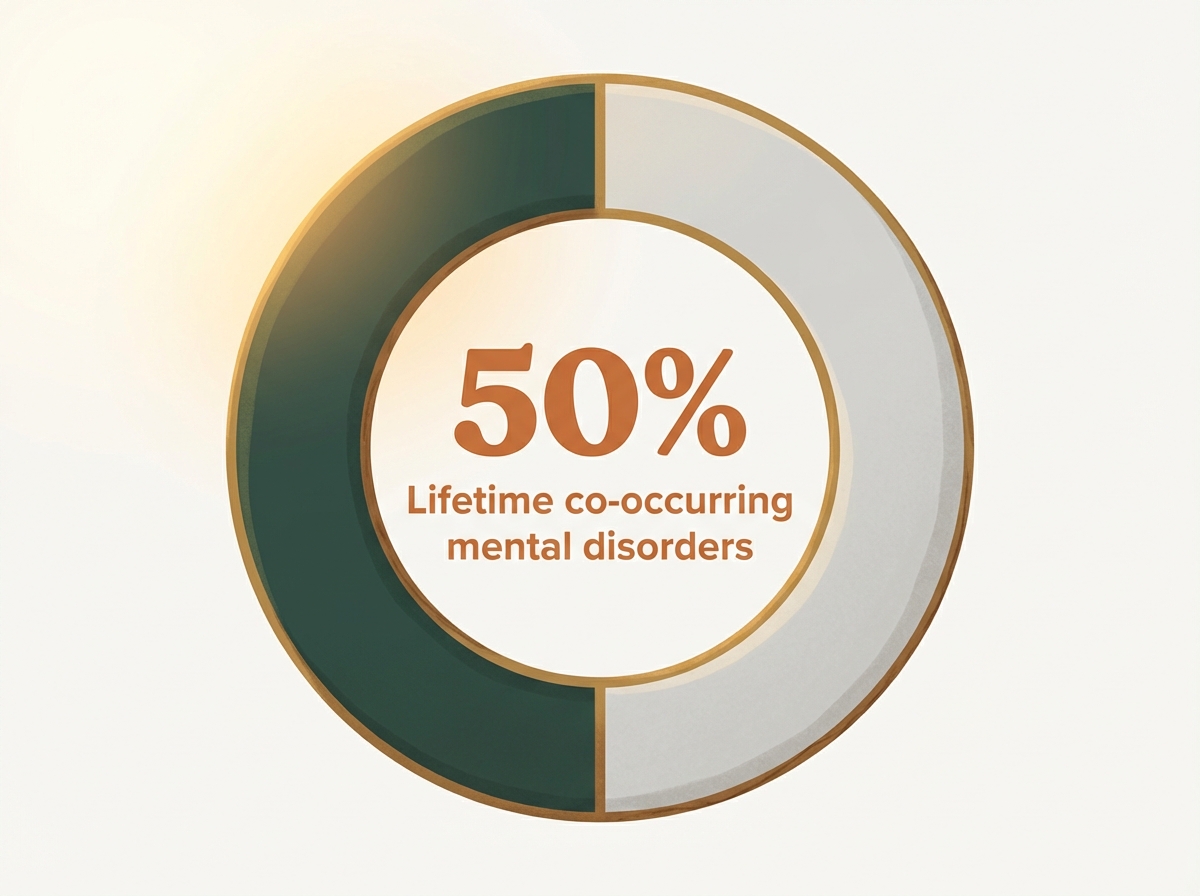
Research shows that about half of people with a substance use disorder will experience a mental health disorder at some point in their lives—and the connection goes both ways1. Among adolescents in substance use programs, over 60% also have a mental health diagnosis8. That means you’re not alone if you see this overlap in your work. Recognizing these patterns is a big step forward.
Every time you spot a new connection between a mental health symptom and a substance use pattern, you are setting the stage for better, more compassionate support—and that deserves celebration.
Next, let’s focus on practical ways to recognize these overlapping needs in everyday clinical practice.
Recognizing Dual Diagnosis in Your Practice
Quick Assessment Tool: Recognizing Dual Diagnosis in Daily Practice
| Observation Area | Key Indicator | Clinical Consideration |
|---|---|---|
| Symptom Persistence | Mental health symptoms don’t improve as substance use decreases. | Evaluate for underlying mood or anxiety disorders. |
| Coping Mechanisms | Individual reports using substances to manage sleep, mood, or anxiety. | Assess for self-medication patterns. |
| Recovery Stalls | Repeated relapses occur after mental health stabilization, or vice versa. | Review integration of current treatment plan. |
| Family History | Generational history of both mental health and substance use challenges. | Incorporate genetic and environmental risk factors. |
Spotting dual diagnosis and treatment needs in your practice takes curiosity and a willingness to look beyond surface symptoms. Sometimes, mental health concerns like anxiety or depression remain even after a period of sobriety, signaling that both conditions may need to be addressed together. This approach works best when you notice behavioral health symptoms that just don’t fit a single explanation, or when progress in one area seems to stall without attention to the other.
It’s common for individuals to mask one struggle with another—using substances to quiet distressing thoughts or, on the flip side, seeing substance use spiral as untreated mental health symptoms worsen. You’re not alone in facing these challenges: around 20 million U.S. adults currently live with both a mental health disorder and a substance use disorder1.
Every time you catch a pattern that points to dual diagnosis and treatment, you’re opening the door for more targeted, effective support—so recognize that progress in yourself and your team! Up next, we’ll explore how integrated care can make a real difference for those living with co-occurring disorders.
Why Integrated Dual Diagnosis and Treatment Changes Outcomes
Integrated dual diagnosis and treatment represents a fundamental shift in how treatment centers address co-occurring substance use and mental health disorders. Rather than operating separate treatment tracks that address addiction and mental health conditions independently, integrated care models synchronize clinical interventions under unified treatment protocols. This is a structural change that significantly impacts both clinical outcomes and operational efficiency for your facility.

Deep Dive: The Clinical Rationale for Integration
The clinical rationale for integrated dual diagnosis and treatment centers on the bidirectional relationship between substance use disorders and mental health conditions. Traditional sequential or parallel treatment models often create coordination gaps that compromise treatment efficacy. When clinical teams operate in silos, patients receive fragmented care with potential contradictions in therapeutic approaches, medication management, and recovery planning.
Integrated dual diagnosis and treatment eliminates these systemic gaps by establishing unified treatment teams where psychiatrists, therapists, medical staff, and case managers collaborate on comprehensive treatment plans that address the full clinical picture. Evidence consistently demonstrates that dual diagnosis and treatment using integrated models produces superior outcomes compared to fragmented approaches. Research indicates that patients receiving integrated care show 30-40% better treatment retention rates and significantly reduced relapse incidence.
The clinical advantage stems from simultaneously addressing the interconnected nature of co-occurring disorders. Treating depression alongside substance dependence allows clinicians to address underlying mechanisms that perpetuate both conditions rather than managing symptoms in isolation. From an implementation perspective, integrated dual diagnosis and treatment enables treatment centers to deliver multiple evidence-based modalities within coordinated protocols.
For example, a patient may participate in cognitive behavioral therapy targeting maladaptive thought patterns, receive medication-assisted treatment for withdrawal management, and engage in trauma-focused therapy to process adverse experiences. All of this is orchestrated by clinical teams who understand how these interventions interact. When documenting in your EHR (Electronic Health Record), using a unified treatment plan template ensures all team members are aligned. You can quickly use Ctrl + F to search patient histories for overlapping symptoms, making coordination both a clinical best practice and an operational efficiency.
The continuity inherent in these models creates measurable clinical advantages. When therapists have direct access to psychiatric recommendations, medication management aligns with therapeutic goals, and medical teams understand psychosocial triggers identified in group sessions, treatment becomes more responsive. This integrated communication infrastructure prevents the treatment gaps that frequently occur when patients navigate disconnected service systems.
Integrated dual diagnosis and treatment also enables more adaptive clinical responsiveness. When emerging symptoms or complications arise—such as anxiety intensification affecting recovery progress—unified treatment teams can modify protocols immediately rather than waiting for separate appointments across disconnected providers. This clinical agility maintains treatment momentum and addresses complications before they escalate into crises requiring higher levels of care.
Contemporary approaches recognize that effective intervention extends beyond symptom management to address the broader psychosocial context affecting recovery. Integrated approaches incorporate relationship dynamics, vocational factors, cultural considerations, and personal values into treatment planning. Outcome data consistently validates this model: patients demonstrate longer treatment retention, reduced hospitalization rates, decreased emergency service utilization, and improved functional outcomes compared to those receiving fragmented care.
Assessment and Treatment Planning
Comprehensive Evaluation Frameworks
Comprehensive Evaluation Checklist for Dual Diagnosis and Treatment:
- Use validated screening tools for both mental health and substance use (e.g., PHQ-9 for depression, AUDIT for alcohol use).
- Gather collateral information from family, previous providers, and medical records.
- Assess trauma history, physical health, and current medications.
- Evaluate social determinants: housing, employment, support systems.
- Screen for risk factors such as suicidality or overdose.
A thorough evaluation is absolutely vital when working with dual diagnosis and treatment populations. This process goes beyond symptom checklists. It’s about connecting the dots between mental health, substance use, life experiences, and environmental factors. Consider this method if you want to design care plans that truly reflect someone’s lived reality. Comprehensive frameworks streamline collaboration across disciplines, saving time and reducing duplicated efforts.
While initial assessments can take 2–4 hours—including interviews, paperwork, and team huddles—the time investment pays off by producing clearer diagnoses and smoother transitions for clients3. Many teams find success using integrated assessment models that combine standardized questions with open-ended dialogue. Every time you invest in a full-spectrum evaluation, you’re making it possible to catch subtle interactions and set up more personalized, effective paths to recovery. That’s something to be proud of!
Next, we’ll look at how to turn these robust evaluations into individualized, goal-driven treatment pathways.
Building Personalized Treatment Pathways
Personalized Treatment Pathway Planner:
- Identify the individual’s primary recovery goals (mental health stability, reduced substance use, improved relationships, etc.).
- Match goals to evidence-based interventions (CBT, DBT, motivational interviewing, medication management).
- Set achievable milestones—weekly, monthly, and long-term.
- Assign roles for each team member and clarify how peer or family supports will be engaged.
- Schedule regular reviews to adjust plans as needs or progress shift.
Building a personalized treatment pathway for dual diagnosis and treatment means truly honoring each person’s unique strengths, challenges, and aspirations. This strategy suits organizations that want to move beyond one-size-fits-all care and instead co-create plans that adapt as recovery unfolds. Each step—whether it’s introducing trauma therapy or adding creative modalities like art therapy—should reflect the client’s story and preferences.
For many, integrating family or peer support can be the difference between stalled progress and lasting change9. Time investment varies but typically starts with a few hours for initial planning, followed by ongoing team check-ins and client feedback sessions. Resource requirements include access to multidisciplinary staff, flexible scheduling, and a system for tracking outcomes.
Remember, every time you update a plan after a setback or celebrate a milestone, you’re modeling resilience and hope. Yes, this is challenging, and that’s okay—every adjustment is a step forward! Next, we’ll examine which evidence-based treatments can make these personalized pathways even more effective.
Evidence-Based Treatment Approaches
Therapeutic Modalities That Work
Quick Reference: Matching Modalities to Client Needs

| Therapeutic Modality | Best Suited For | Key Benefit |
|---|---|---|
| Cognitive Behavioral Therapy (CBT) | Clients needing practical skills to manage cravings and negative thought patterns. | Builds actionable coping strategies. |
| Dialectical Behavior Therapy (DBT) | Clients with strong emotional swings or self-harm risks, especially trauma-related. | Enhances emotional regulation and distress tolerance. |
| Motivational Interviewing (MI) | Individuals feeling ambivalent or resistant to change. | Resolves ambivalence and builds internal drive. |
| Creative Therapies (Art, Music) | Clients who struggle to express themselves verbally. | Unlocks non-verbal processing and engagement. |
| Trauma-Focused Therapies | Clear history of trauma fueling substance use or mental health symptoms. | Addresses root causes safely. |
Choosing the right therapeutic approach for dual diagnosis and treatment means staying flexible and responsive to what each person brings. Evidence consistently shows that integrated use of CBT and DBT reduces relapse rates and boosts daily functioning for people with co-occurring disorders3. MI is especially effective when motivation wavers—a common hurdle in this population.
Opt for this framework when you need to match specific interventions to unique client presentations. Creative modalities can unlock progress in clients who shut down or disengage in talk therapy alone. Most modalities require weekly to several-times-weekly sessions, with time investments adjusted for program intensity. Every time you explore a new approach or adapt to a client’s unique needs, you’re modeling hope and adaptability—celebrate that progress!
Next, let’s walk through how medication management and support systems complement these therapies for even stronger outcomes.
Medication Management and Support Systems
Medication Management and Support Systems Checklist:
- Confirm which medications are essential for both mental health and substance use concerns.
- Monitor for interactions or side effects that could impact recovery.
- Schedule regular medication reviews involving both prescribers and therapists.
- Ensure easy access to peer support, recovery housing, and ongoing check-ins.
For many people navigating dual diagnosis and treatment, medication management is a critical piece of the puzzle. This process means more than writing prescriptions—it’s about closely tracking how medications for depression, anxiety, or bipolar disorder interact with medications used for substance use recovery, like those for opioid or alcohol dependence. This path makes sense for clients with a history of relapse, those living alone, or anyone needing extra accountability during transitions.
Support systems, including recovery housing and strong peer networks, provide stability during high-risk periods. Programs that combine medication management with structured support—like peer groups or group therapy—see higher engagement and better long-term outcomes than medication alone3. Expect to dedicate time for weekly medication check-ins and coordination between medical and behavioral health staff.
Resource needs include reliable communication tools, access to recovery housing, and a dedicated budget for cross-training (typically $500-$1,500 per clinician annually) to ensure staff understand both pharmacological and therapeutic needs. Every time you help a client stick with their medication plan or connect with a support group, you’re helping lay the groundwork for real, lasting change. Up next, we’ll answer common questions about timelines, telehealth, and staffing for dual diagnosis care.
Frequently Asked Questions
How do I transition someone from sequential treatment to integrated dual diagnosis care?
Transitioning from sequential treatment to integrated dual diagnosis and treatment care starts with a team huddle—bring together all current providers to share insights and set unified goals. Next, conduct a fresh assessment that looks at mental health and substance use in tandem, not in isolation. This step is crucial for building trust and helping the individual feel seen, not shuffled. Consider this route if you notice progress stalls whenever care is divided, or if relapses follow gaps in communication. Keep the person at the center: involve them in every planning step, clarify roles, and celebrate each milestone in the transition. Research confirms that integrated care leads to better recovery outcomes and fewer relapses compared to treating issues separately3.
What are the typical timelines for seeing measurable outcomes in dual diagnosis treatment?
Expect to see initial improvements in dual diagnosis and treatment—such as reduced substance use or stabilized mood—within the first few weeks of integrated care. For many, more significant changes like sustained symptom reduction or improved daily functioning emerge over three to six months, especially when both mental health and substance use needs are addressed together3. This strategy suits teams that set clear short-term goals while preparing for ongoing support, since setbacks and progress often happen side by side. Yes, this journey can feel slow, but every positive shift is worth celebrating!
How can telehealth and virtual programs effectively address dual diagnosis in rural communities?
Telehealth and virtual programs are transforming access to dual diagnosis and treatment for rural communities. These tools let you deliver integrated care—therapy, medication management, and peer support—right to someone’s home, bypassing travel barriers and provider shortages. This approach is ideal for clients who can’t drive long distances or have limited local resources. Recent studies confirm that virtual partial hospitalization and intensive outpatient programs make high-quality care possible for those who might otherwise go without5. With secure video sessions, digital tracking tools, and scheduled check-ins, you can keep engagement strong and adapt support as needs shift. Every virtual connection is a win for access and equity.
What training should clinical staff have to deliver integrated dual diagnosis care?
To deliver integrated dual diagnosis and treatment, clinical staff need cross-training in both mental health and substance use interventions. Key areas include evidence-based therapies like CBT and DBT, medication management for co-occurring disorders, trauma-informed care, and motivational interviewing. Training should also cover cultural competence and effective collaboration within multidisciplinary teams. This approach is ideal for clinics aiming to reduce fragmented care and support whole-person recovery. Studies show that coordinated teams with specialized training achieve better engagement and outcomes for individuals with co-occurring disorders3. Every new skill learned is a win—keep building your team’s confidence and versatility!
How do you address stigma barriers that prevent individuals from seeking dual diagnosis treatment?
Addressing stigma around dual diagnosis and treatment starts by creating spaces where individuals feel respected, not judged. Open conversations—using non-shaming, person-first language—help break down fear of social or professional fallout. Sharing real stories of recovery and emphasizing that co-occurring mental health and substance use disorders are common, not rare, can reduce isolation and self-blame. This approach works best when you train staff to respond with empathy and help clients see treatment as a strength, not a weakness. Research confirms that stigma remains a primary barrier to seeking care, so every positive, validating interaction makes a difference10. Celebrate each time someone feels safe enough to reach out.
What role do recovery housing and peer support play in long-term dual diagnosis outcomes?
Recovery housing and peer support are powerful foundations for lasting dual diagnosis and treatment outcomes. Safe, sober living environments reduce relapse risk and provide crucial stability while new habits form. Peer support—through groups or one-on-one mentoring—offers hope, accountability, and real-life guidance from those who’ve walked a similar path. This solution fits individuals who need extra structure after intensive treatment, or anyone feeling isolated in their recovery journey. Research shows that combining recovery housing and peer support with clinical care increases engagement and improves long-term recovery rates for people with co-occurring disorders367. Every connection and supportive environment you help create truly matters.
Conclusion
The clinical evidence supporting integrated dual diagnosis and treatment demonstrates clear advantages in patient outcomes, treatment retention, and long-term recovery sustainability. For treatment providers and clinical decision-makers, implementing integrated care models represents not just a best practice recommendation, but a fundamental shift toward addressing the interconnected nature of mental health and substance use disorders. Facilities that adopt comprehensive protocols consistently report improved patient engagement and reduced relapse rates compared to sequential or parallel treatment approaches.
Successful implementation requires coordinated clinical infrastructure, cross-trained staff, and evidence-based protocols that address both conditions simultaneously. This includes establishing assessment procedures that identify co-occurring disorders early, developing individualized treatment plans that incorporate psychiatric and addiction interventions, and creating continuity of care across treatment levels. Programs demonstrate how integrated models can be operationalized through structured PHP and IOP frameworks that combine medication management, evidence-based therapies such as CBT and DBT, and specialized interventions including trauma-informed care and culturally responsive approaches.
As the prevalence of co-occurring disorders continues to rise, the capacity to deliver effective dual diagnosis and treatment becomes increasingly critical for treatment centers, referral sources, and healthcare systems. Providers seeking to strengthen their clinical outcomes and meet the complex needs of this population should prioritize integrated care models that treat mental health and substance use as interconnected conditions requiring unified, evidence-based intervention strategies. You are doing vital work, and every improvement in your process brings profound healing to those who need it most.
References
- Dual Diagnosis (Co-Occurring Disorders). https://my.clevelandclinic.org/health/diseases/22219-dual-diagnosis
- Get Help. https://www.samhsa.gov/find-help
- Chapter 7—Treatment Models and Settings for People With Co-Occurring Disorders. https://www.ncbi.nlm.nih.gov/books/NBK64188/
- Dual Diagnosis. https://medlineplus.gov/dualdiagnosis.html
- Integrated Treatment of Substance Use and Psychiatric Disorders. https://www.ncbi.nlm.nih.gov/pmc/articles/PMC3093952/
- Recovery Housing Program (RHP). https://www.hudexchange.info/programs/rhp/
- Support Groups. https://www.nami.org/Support-Education/Support-Groups
- Common Comorbidities with Substance Use Disorders Research. https://www.ncbi.nlm.nih.gov/books/NBK570591/
- Family Involvement in Treatment and Recovery for Substance Use Disorders. https://www.ncbi.nlm.nih.gov/pmc/articles/PMC3931343/
- Treatment Access Barriers and Disparities Among Individuals. https://www.ncbi.nlm.nih.gov/pmc/articles/PMC6884021/