

Key Takeaways for Your Recovery Journey
- Assess Your Alignment: Effective recovery requires a program that scores high on both clinical integration and cultural safety.
- Success Metrics: Look for programs utilizing
DDCATscores, integrated staffing models, and family-system involvement. - Immediate Action: If you are navigating co-occurring disorders, prioritize providers who offer a specific consultation on how your cultural background will be integrated into your care plan.
Why Context Transforms Culturally Responsive Dual Diagnosis Treatment
The Integration Imperative
You understand the complexity of professional life and the nuances of healthcare, yet finding effective care for yourself or a loved one can still feel like navigating a maze without a map. Culturally responsive dual diagnosis treatment is not merely a buzzword; it is the clinical standard required to address the intricate reality of co-occurring disorders.
“Think of culturally responsive dual diagnosis treatment like building a bridge. If you only focus on the engineering but ignore the landscape—rivers, hills, local weather—the bridge won’t last. In the same way, when treatment ignores someone’s cultural background, core values, and life experiences, the path to recovery can crumble under stress.”
Research confirms that integrated care, where mental health and substance use challenges are treated together with cultural understanding, leads to significantly better outcomes. These include fewer relapses, improved psychiatric health, and more stable lives4. However, the industry faces a stark reality gap:
- Only 18% of addiction programs in the U.S. are equipped for integrated care.
- Only 9% of mental health programs meet this standard1.
Practice This: Create a recovery care plan outline that intentionally weaves in cultural strengths—like family traditions, spiritual practices, or community supports. List which clinical and cultural elements you’d include, and why.
Skill checkpoint: You’re ready for the next level when you can spot where a current program is missing opportunities to integrate cultural context into culturally responsive dual diagnosis treatment. As you build this foundational understanding, you’ll see how cultural identity itself becomes a powerful tool for healing.
Cultural Identity as Clinical Foundation
Picture cultural identity as the roots of a strong tree. When treatment taps into those roots—beliefs, traditions, community roles—you can draw strength even in the hardest moments. Culturally responsive dual diagnosis treatment recognizes that recovery isn’t just about symptom reduction; it’s about helping you reclaim and affirm who you are.
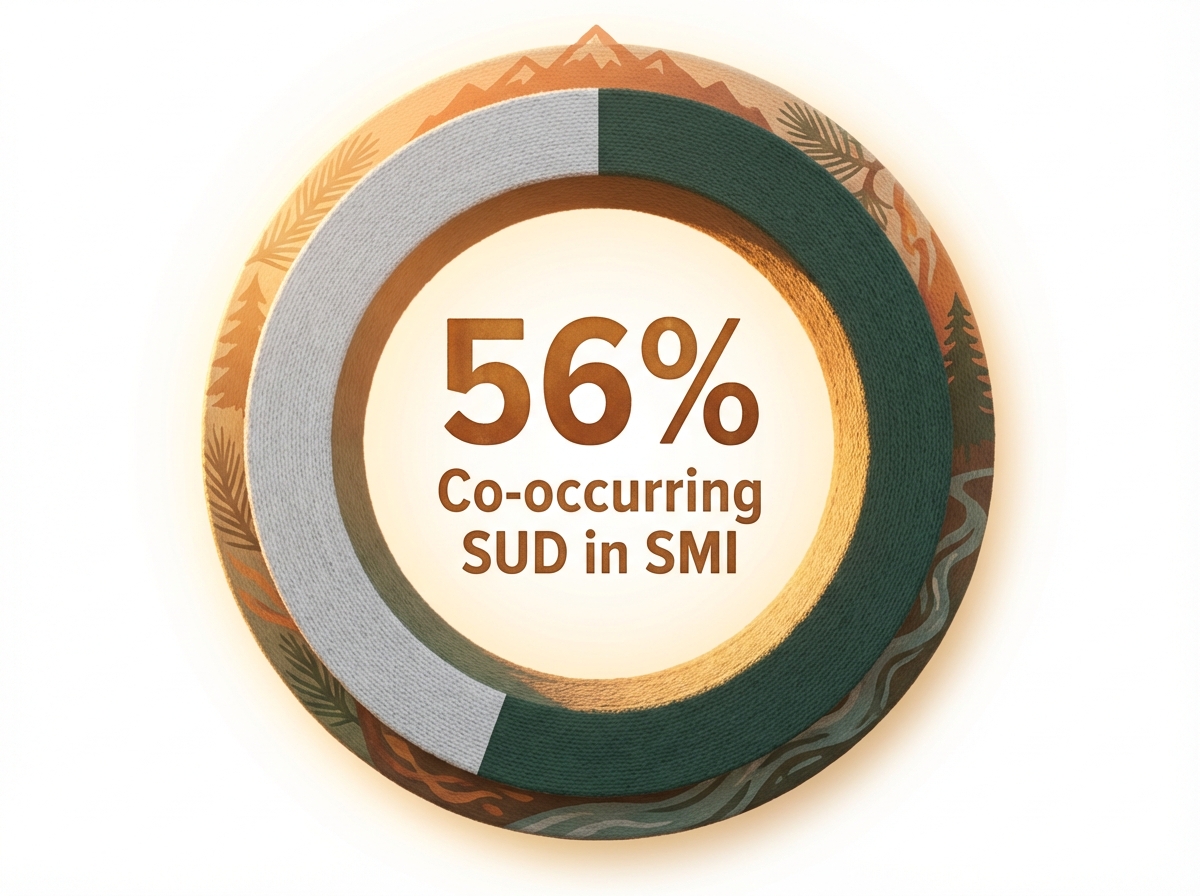
Research shows programs that adapt core therapies to reflect a person’s lived experience—like their language, faith, or family structure—see better engagement and longer-lasting outcomes2. For example, culturally tailored motivational enhancement therapy led to higher abstinence rates than standard versions for many groups2. This means that culture isn’t an “add-on”—it’s part of the foundation.
Practice This: Interview a peer about ways their cultural background supports or challenges their recovery. Identify one cultural strength you could incorporate into a care plan.
Skill checkpoint: You’re ready for the next level when you can explain why ignoring cultural identity increases dropout risk and how to use identity as a tool for connection. Next, you’ll explore how adapting evidence-based therapies makes culturally responsive dual diagnosis treatment even more effective.
Core Components of Culturally Responsive Dual Diagnosis Treatment
Evidence-Based Therapies Adapted
You are likely familiar with standard protocols like Cognitive Behavioral Therapy (CBT) and Dialectical Behavior Therapy (DBT). However, in the context of culturally responsive dual diagnosis treatment, these are not static scripts. They are dynamic frameworks that must be adapted to fit your specific cultural background and lived experience.
Imagine evidence-based therapies as recipes. The core ingredients—like emotional regulation or relapse prevention—stay the same, but the seasoning changes based on the person you’re serving. Culturally responsive dual diagnosis treatment means providers aren’t just following the instructions; they are honoring the flavors that matter most to you.
| Standard Approach | Culturally Responsive Approach |
|---|---|
| Focuses on individual autonomy and self-actualization. | Integrates family systems, community roles, and collective healing. |
| Uses standardized metaphors and worksheets. | Adapts imagery, language, and examples to match cultural context. |
| Strict adherence to manualized protocols. | Flexible application that respects cultural values and trauma history. |
Research backs this up. Programs that adapt therapies to reflect a person’s language, beliefs, and family structure consistently see better engagement and outcomes than those using generic approaches. For instance, a culturally adapted version of motivational enhancement therapy led to higher abstinence rates than the standard version for many groups2.
Practice This: Choose a common therapy tool—like a coping skills worksheet—and revise it for a specific cultural group you work with. Note where language, imagery, or examples can be shifted to make the tool more relevant and empowering.
Skill checkpoint: You’re ready for the next level when you can describe how an adapted intervention increased a client’s trust or engagement, and when you can confidently adjust evidence-based practices without sacrificing their effectiveness.
Trauma-Informed Cultural Frameworks
Trauma-informed care and cultural frameworks must work in tandem within culturally responsive dual diagnosis treatment. Think of this framework like a woven blanket where each thread adds strength and warmth. When you honor these threads, the blanket shields people from shame, judgment, and retraumatization.
Culturally responsive dual diagnosis treatment recognizes that trauma doesn’t exist in a vacuum; it’s shaped by:
- Historical context and generational impact.
- Systemic discrimination and migration experiences.
- Community loss and collective grief.
Research shows that trauma-informed care helps people feel safer and more engaged in treatment, and that culturally tailored approaches can boost outcomes, reduce stigma, and foster trust2. For example, a program that acknowledges historical trauma—such as forced relocation or loss of language—can create space for healing that generic protocols miss.
Practice This: Map a client’s recovery journey and identify points where trauma and cultural factors intersect. For each point, suggest one way to create a sense of safety or belonging (e.g., inviting ceremony, using preferred language, or involving community elders).
Skill checkpoint: You’re ready for the next level when you can spot how cultural and trauma histories shape client responses—and design supports that honor both. Next, you’ll explore how overcoming access and quality barriers is essential for equitable, effective care.
Overcoming Access and Quality Barriers
Access to quality treatment represents one of the most significant challenges facing our field today. As professionals working in substance use treatment, we understand how geographic limitations, financial barriers, systemic constraints, and quality variations directly impact client outcomes and program effectiveness. These access barriers don’t just affect individual recovery trajectories—they shape referral patterns, treatment completion rates, and the overall effectiveness of our continuum of care.

Geographic and Virtual Solutions
Geographic barriers create substantial gaps in service delivery, particularly in rural and underserved regions where specialized culturally responsive dual diagnosis treatment facilities remain scarce. The expansion of virtual treatment modalities has fundamentally transformed how we deliver care. Virtual intensive outpatient programs and virtual partial hospitalization programs now provide comprehensive evidence-based interventions—including cognitive behavioral therapy and dialectical behavioral therapy—to clients who previously had no access to specialized care.
Financial accessibility continues to challenge both clients and treatment providers. Understanding insurance networks, verification processes, and coverage limitations directly impacts admission rates and program sustainability. Many culturally responsive dual diagnosis treatment centers now maintain relationships with diverse payer networks and employ dedicated staff to navigate benefits verification and financial counseling. These systems help reduce the financial barriers that prevent clients from accessing appropriate levels of care.
Quality assurance remains paramount when evaluating treatment options and making appropriate referrals. Effective culturally responsive dual diagnosis treatment requires integrated approaches that address substance use disorders and co-occurring mental health conditions simultaneously rather than sequentially. Evidence-based programming should include:
- Comprehensive biopsychosocial assessments.
- Individualized treatment planning.
- Diverse therapeutic modalities such as trauma therapy, motivational enhancement therapy, and experiential therapy.
- Culturally responsive frameworks, including Indigenous healing practices like the Wellbriety program.
Transportation barriers significantly impact treatment adherence and completion rates, particularly for clients in intensive outpatient programs requiring multiple weekly sessions. Virtual intensive outpatient programs eliminate transportation as a barrier entirely, improving attendance rates and program completion. Additionally, integrated recovery housing options provide stable living environments adjacent to treatment services, removing daily commute challenges while creating immersive therapeutic communities that support sustained engagement in culturally responsive dual diagnosis treatment.
When guiding clients or making referrals, we benefit from programs that maintain transparency about their clinical approaches, staff credentials, outcome data, and daily programming structure. Quality providers readily share information about their treatment philosophies, evidence-based modalities, staff qualifications, and progress measurement systems.
Advanced Treatment Modalities That Work
Medication-Assisted Treatment Integration
Integrating medication-assisted treatment (MAT) with culturally responsive dual diagnosis treatment can improve engagement, safety, and long-term recovery for people with co-occurring disorders. Think of MAT as a foundation that helps stabilize the ground beneath someone’s recovery journey.
When you combine medications like methadone, buprenorphine, or naltrexone with treatment plans that honor cultural identity and lived experience, you create a platform where healing feels both safe and personally meaningful. Research shows people with opioid use disorder who receive MAT are 50% less likely to die from overdose compared to those without treatment6. But success depends on more than the prescription itself—it’s about making sure the entire care approach respects language, beliefs, and family dynamics.
Practice This: Create a sample MAT care pathway for a client from a community you serve. Include steps for collaboration with cultural healers or elders, language support, and family engagement alongside clinical MAT protocols.
Skill checkpoint: You’re ready for the next level when you can explain how culturally responsive dual diagnosis treatment with MAT reduces both stigma and dropout rates—while building trust and hope for recovery.
Creative and Experiential Approaches
Creative and experiential therapies—like art and music therapy—can make culturally responsive dual diagnosis treatment more engaging and meaningful. Think of creative therapy as a second language for healing. When words fall short, painting, drumming, songwriting, or storytelling can help people process pain, celebrate heritage, and build hope.
In fact, nearly 37% of treatment programs offer art therapy, while about 15% offer music therapy, reflecting their growing use in dual diagnosis care7. These therapies create safe space for identity, emotion, and culture to unfold naturally.
Practice This: Design a group activity that uses a creative element important to your clients’ culture—maybe a shared art project, a traditional song, or a story circle. Note how this could support trust, self-expression, and cultural pride.
Skill checkpoint: You’re ready for the next level when you can explain how creative or experiential approaches deepen engagement, especially for clients who feel misunderstood or overlooked in traditional talk therapy. For those focused on business application, consider how expanding creative therapies can differentiate your program and boost client retention.
Frequently Asked Questions
How can I verify a program is truly dual diagnosis capable?
To verify if a program is truly dual diagnosis capable, look for more than just marketing claims. True capability means the program provides integrated mental health and substance use care, with staff trained to address both conditions together and adapt treatment to cultural backgrounds. Ask if they use validated assessments like the DDCAT or DDCMHT, which measure a program’s ability to deliver this level of care1. Only 18% of addiction and 9% of mental health programs in the U.S. meet this standard, so it’s okay to ask for specifics on staff training, evidence-based practices, and cultural adaptations. Real culturally responsive dual diagnosis treatment is rare but worth the search.
What role does recovery housing play in culturally responsive dual diagnosis treatment?
Recovery housing is a vital support in culturally responsive dual diagnosis treatment because it offers a safe, structured environment where individuals can practice new skills, build community, and reinforce their cultural values. For many, the transition from intensive treatment to independent living can feel overwhelming; recovery housing bridges that gap with accountability, peer support, and stability. Research finds that residents in recovery housing are more likely to complete outpatient treatment and report improved life skills and well-being—benefits that are especially meaningful when the environment honors culture and identity8. When recovery housing incorporates traditions, spiritual practices, or community connections, it becomes a foundation for lasting change.
How do virtual treatment options compare to in-person care for dual diagnosis?
Virtual treatment options for dual diagnosis care have grown rapidly, especially for clients in rural areas or those facing transportation or scheduling barriers. Research highlights that telehealth can improve access to culturally responsive dual diagnosis treatment by connecting individuals with specialists and support networks they may not find locally5. While some people thrive with the flexibility and privacy of virtual care, others benefit more from in-person support, especially when cultural practices or group connections are central to healing. The most effective approach blends both, allowing care to adapt to personal and cultural needs, ultimately reducing gaps and expanding reach.
What should I expect during the transition from intensive treatment to ongoing support?
During the transition from intensive treatment to ongoing support, expect a gradual shift from daily structure to more independent routines—with plenty of encouragement along the way. This stage often involves regular outpatient sessions, peer support, and community-based resources that reflect your cultural strengths and values. Research highlights that ongoing, integrated support after intensive care leads to better outcomes, including improved stability, fewer relapses, and greater quality of life4. It’s normal to feel nervous or unsure during this change—every step, even the small ones, is progress. Culturally responsive dual diagnosis treatment makes this phase safer by honoring your identity and keeping support networks engaged.
How do screening and early intervention programs support long-term recovery outcomes?
Screening and early intervention programs are powerful tools in culturally responsive dual diagnosis treatment. By identifying mental health and substance use concerns early—often before they escalate—these programs allow you to offer support that’s proactive, not just reactive. Evidence shows that approaches like SBIRT (Screening, Brief Intervention, and Referral to Treatment) can increase the percentage of clients reporting 30-day abstinence by over 128% within six months10. When these services are tailored to cultural strengths and lived experience, people feel truly seen and understood, making them more likely to engage and stick with care. Early action builds trust, reduces the risk of crisis, and lays the groundwork for lasting recovery.
What makes culturally adapted treatment more effective than standard approaches?
Culturally adapted treatment works better than standard approaches because it meets people where they are—recognizing their unique values, experiences, and needs. By weaving in language, traditions, and community strengths, culturally responsive dual diagnosis treatment builds trust and makes care feel safe rather than foreign. Research shows that when therapies are tailored to fit a person’s culture, engagement improves and outcomes like abstinence and stability are more likely to last2. Standard treatments can unintentionally create distance or misunderstanding, while adapted care honors the whole person. Every time you personalize treatment, you’re not just following best practices—you’re giving someone a real chance to heal.
Conclusion
Addressing barriers to substance use treatment remains one of the most pressing challenges in our field. Geographic limitations, financial constraints, and systemic gaps don’t just affect access rates—they directly impact clinical outcomes, referral success, and the sustainability of integrated care models. The barriers to substance use treatment we’ve explored throughout this article shape treatment delivery in profound ways, from initial engagement through long-term recovery support.
For culturally responsive dual diagnosis treatment programs specifically, these access barriers compound existing challenges. When patients face transportation obstacles, limited appointment availability, or inadequate insurance coverage for co-occurring disorders, even the most evidence-based treatment protocols struggle to achieve their potential. Virtual treatment modalities and flexible program structures have emerged as practical solutions, yet barriers to substance use treatment persist in rural communities and underserved populations where these innovations matter most.
Moving forward, our field’s evolution depends on addressing these barriers to substance use treatment through program development that prioritizes both accessibility and clinical effectiveness. Whether through expanded virtual care options, culturally responsive programming, or comprehensive dual diagnosis approaches that address mental health alongside addiction, progress happens when treatment providers recognize that access barriers directly affect treatment outcomes. The barriers to substance use treatment we overcome today shape the referral networks, program sustainability, and patient success rates that define our profession’s impact tomorrow.
References
- Dual diagnosis capability in mental health and addiction treatment. https://pmc.ncbi.nlm.nih.gov/articles/PMC3594447/
- Cultural Adaptation in Substance Abuse Prevention and Treatment. https://pmc.ncbi.nlm.nih.gov/articles/PMC4220306/
- Research Landscape Analysis on Dual Diagnosis. https://pmc.ncbi.nlm.nih.gov/articles/PMC11365254/
- Integrated Treatment for Co-Occurring Disorders: Building Your Program. https://library.samhsa.gov/sites/default/files/ebp-kit-building-your-program-10112019.pdf
- Rural-Urban Differences in Substance Use Treatment. https://pmc.ncbi.nlm.nih.gov/articles/PMC11366955/
- Medication-Assisted Treatment for Opioid Use Disorder. https://www.naco.org/resource/osc-mat
- Art and Music Therapy in Substance Abuse Treatment. https://pmc.ncbi.nlm.nih.gov/articles/PMC4268880/
- Role of Recovery Housing During Outpatient Substance Use Treatment. https://pmc.ncbi.nlm.nih.gov/articles/PMC8748296/
- Stigma, Prejudice and Discrimination Against People with Mental Illness. https://www.psychiatry.org/patients-families/stigma-and-discrimination
- Screening, Brief Intervention, and Referral to Treatment (SBIRT). https://www.samhsa.gov/substance-use/treatment/sbirt