
Key Takeaways: Navigating Recovery in Montana
- Assess Your Needs: Determine if you require 24/7 residential support or if flexible outpatient services fit your lifestyle using the ASAM Criteria.
- Verify Quality: Always check that facilities are licensed by the Montana DPHHS to ensure safety and evidence-based care.
- Overcome Geography: If you live in rural areas like the Hi-Line, utilize telehealth options like Project YES to access care remotely.
- Plan Your Finances: Explore Medicaid expansion, sliding-scale fees, and state grants if private insurance does not cover the full cost.
Alcohol Rehab Centers in Montana: The Treatment Landscape
Understanding Montana’s Unique Challenges
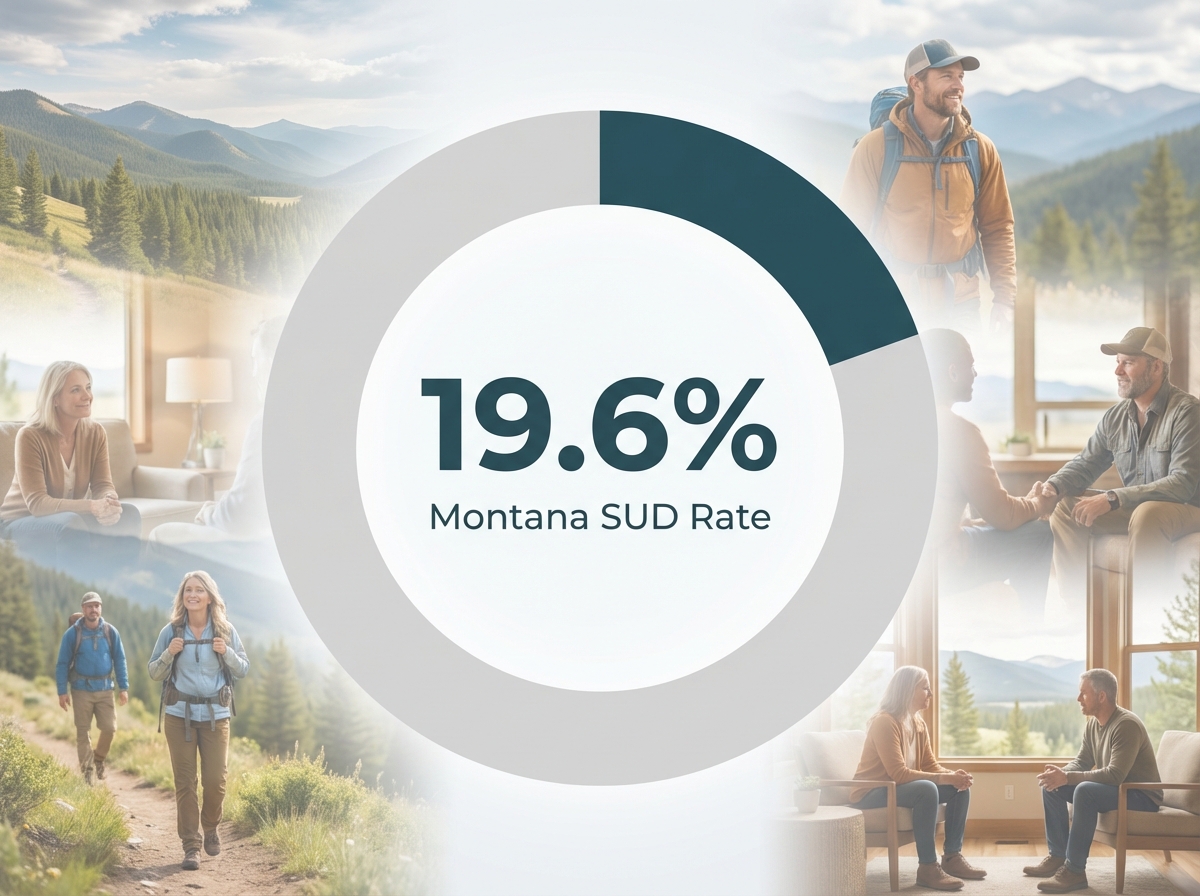
Montana faces a set of challenges that make seeking help at alcohol rehab centers in Montana different from almost anywhere else. With 19.6% of residents meeting criteria for a substance use disorder—ranking the state sixth nationally—many individuals and families are touched by alcohol and substance concerns in both large towns and remote communities1. Still, treatment engagement lags behind, with only 568 people per 100,000 residents in treatment, placing Montana 23rd for utilization and highlighting the gap between need and access1.
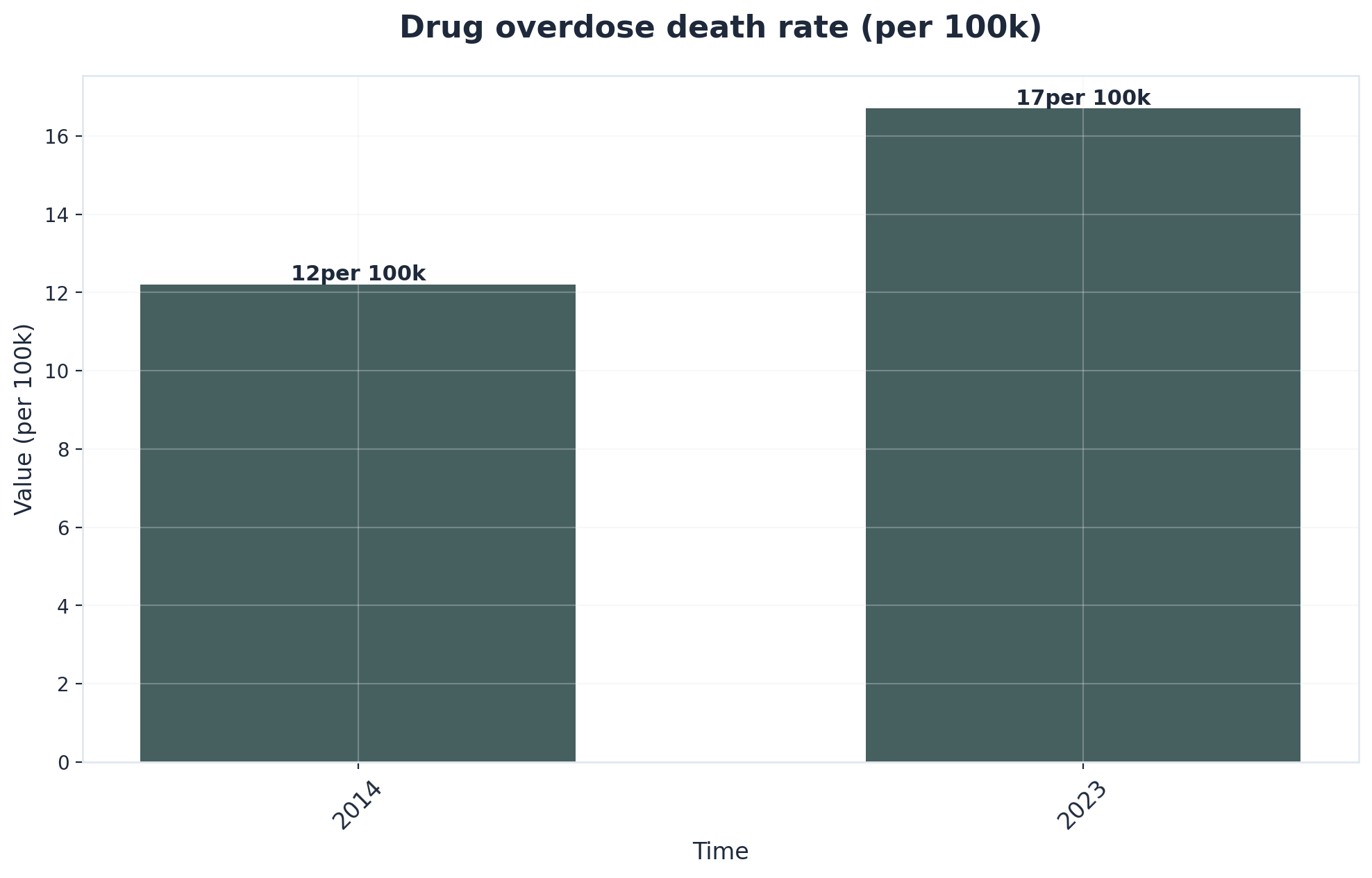
Montana’s vast geography can create feelings of isolation, especially for those living hundreds of miles from the nearest provider. While cities like Billings, Missoula, and Great Falls have more resources, rural counties often report longer wait times and heavier provider shortages10. Cultural factors also play a role—strong traditions of self-reliance and privacy may make it tough to reach out for support. Recent spikes in suspected overdoses and youth mental health struggles underscore why access to alcohol rehab centers in Montana matters so deeply right now59.
Recognizing these unique barriers is the first step in building a compassionate, effective path forward. Next, you’ll see how treatment access varies across Big Sky Country and what solutions are emerging.
Treatment Access Across Big Sky Country
Access to care at alcohol rehab centers in Montana looks very different depending on where you live. In cities like Billings, Missoula, and Great Falls, you’ll find more treatment options and shorter wait times. Yet, for many in the Hi-Line or the far reaches of the Eastern plains, the next nearest provider might be several hours away and waiting lists can stretch for weeks or longer10.
Montana’s 107 substance use treatment facilities serve a vast area, but significant hurdles remain:
- Workforce Shortages: 51 of 56 counties are considered mental health professional shortage areas9.
- Geographic Isolation: Residents in remote areas often face long travel times for in-person support.
- Wait Times: High demand in rural areas can lead to delays in intake appointments.
Recent efforts are helping bridge these gaps. Telehealth programs, digital mental health initiatives like Project YES, and the CONNECT referral system are expanding access for rural residents and youth, connecting more Montanans to help even when distance is an obstacle9. State investment in Wellness Kiosks that offer naloxone and fentanyl test strips is another sign of innovative solutions rising to meet local needs5. Every region in Montana faces its own hurdles, but new tools and partnerships are making it easier for you or your loved ones to connect with alcohol rehab centers in Montana.
Types of Programs at Alcohol Rehab Centers in Montana
Choosing the right level of care is a critical decision. Use the comparison below to help determine which environment might best support your recovery goals.
| Feature | Outpatient Treatment | Residential/Inpatient Care |
|---|---|---|
| Living Arrangement | Live at home; attend scheduled sessions. | Live at the facility 24/7. |
| Best For | Those with work/family duties and a stable home environment. | Those needing distance from triggers or medical detox support. |
| Availability in MT | Widely available (88.6% of facilities)3. | More limited (18.2% of facilities)3. |
| Key Locations | Statewide, including rural telehealth. | Primarily Billings, Missoula, Great Falls. |
Outpatient Treatment Options
Outpatient treatment stands out as a flexible and accessible choice at alcohol rehab centers in Montana, especially for those balancing family, work, or school commitments. You can receive counseling, group therapy, and medical support while still living at home—making this option popular across Billings, Missoula, Great Falls, and even in rural towns where travel to a center may be difficult. In fact, 88.6% of Montana facilities offer some form of outpatient care, with 97.7% providing substance abuse counseling and 85.2% running group sessions3.
Recent advances in telehealth mean you can join therapy sessions virtually, which is a game-changer for communities in the Hi-Line or the Eastern plains. Project YES is helping connect rural youth to digital mental health support, addressing gaps caused by provider shortages or long distances9. Many outpatient programs use evidence-based therapies like cognitive behavioral therapy and 12-step facilitation, tailored to Montana’s values of privacy and self-reliance. If you’re seeking a path that lets you maintain your routine while working on recovery, outpatient programs offer the support you need.
Residential and Inpatient Care
Residential and inpatient care at alcohol rehab centers in Montana gives you a safe, structured setting to focus fully on your recovery. These programs offer 24/7 supervision, medical support, and a clear daily routine, which can be especially helpful if you’ve tried outpatient care or need distance from daily triggers. About 18.2% of Montana treatment facilities provide residential services, with 6.8% offering detoxification support3. You’ll find these programs in places like Billings, Missoula, and Great Falls, as well as select rural areas where some centers partner with local hospitals.
Montana’s residential programs use evidence-based therapies and often follow the ASAM Criteria to match you with the right level of care7. Many centers include family counseling, group sessions, and trauma-informed approaches, all tailored to fit Montana’s culture of resilience and privacy. If you’re looking for a healing environment where daily responsibilities are on hold and support is always nearby, residential or inpatient care may be the right step.
Montana Regulations and Licensing Standards
When you’re looking for help with substance use challenges, you deserve to know that the care you’ll receive meets high standards of safety and professionalism. Understanding Montana’s licensing requirements isn’t just about checking boxes—it’s about protecting yourself and feeling confident that you’re placing your trust in qualified hands. Knowing what to look for helps you feel empowered in your choice, giving you one less thing to worry about during an already challenging time.
“The Montana Department of Public Health and Human Services oversees the licensing and certification of treatment facilities throughout the state—essentially, they’re the watchdog ensuring programs meet important safety standards.”
All programs must comply with guidelines outlined in the Montana Administrative Rules (specifically Title 37, Chapter 47), which set minimum standards for things like staffing qualifications, the types of services offered, and how facilities operate day-to-day. These regulations exist to ensure that treatment centers maintain appropriate credentials and follow approaches that research has shown actually work.
Licensed facilities in Montana must employ staff members who hold appropriate certifications—meaning the people supporting your recovery have demonstrated their knowledge and skills. Clinical supervisors and counselors typically need certification through the Montana Board of Behavioral Health, which requires specific education, extensive training hours, and passing rigorous examinations. Many professionals hold credentials such as Licensed Addiction Counselor (LAC) or Licensed Clinical Professional Counselor (LCPC), which demonstrate their specialized expertise in addressing substance use disorders and supporting people like you through recovery.
When researching treatment options, follow these steps to verify a facility:
- Check State Licensing: Verify the facility’s status through the Montana Department of Public Health and Human Services website.
- Look for Accreditation: Check for voluntary accreditations from organizations like The Joint Commission or CARF, which indicate standards higher than the state minimum.
- Ask Directly: Request proof of current state licensure and staff credentials during your initial consultation.
Confirming licensure helps you confirm that a program operates legally and adheres to state regulations—giving you peace of mind that you’re considering legitimate options. Understanding these licensing standards empowers you to make informed decisions and select treatment providers who meet established professional criteria for delivering the comprehensive support services you deserve.
Specialized Care for Co-Occurring Disorders
Dual Diagnosis Treatment Approaches
When you’re facing both alcohol use and mental health concerns, the right support can change everything. Dual diagnosis programs at alcohol rehab centers in Montana are designed to treat both conditions together—because healing is more effective when your whole story is honored. In Montana, 83% of treatment facilities screen for mental health needs, and most use evidence-based approaches like cognitive behavioral therapy and trauma-informed care to address both alcohol and mental health challenges side by side38.
You’ll find programs in Billings, Missoula, Great Falls, and select rural areas, each customizing care to meet Montana’s values of privacy and self-reliance. The ASAM Criteria, Montana’s gold standard for treatment planning, guides providers in matching you with the right level of support, whether outpatient, residential, or a combination7. This coordinated approach means you won’t have to juggle separate appointments or worry that one issue will get overlooked. Treatment teams work closely with you to create a plan that builds on your strengths and helps you manage symptoms, develop coping skills, and reconnect with your community.
Culturally Responsive Recovery Options
Finding care that speaks to your background and identity can make all the difference on your recovery journey. Alcohol rehab centers in Montana are increasingly offering culturally responsive recovery options that honor the traditions, beliefs, and strengths of Indigenous peoples and other diverse communities. Across Billings, Missoula, and the Hi-Line, you’ll discover programs that invite in local elders, offer smudging ceremonies, and provide space for storytelling—practices that help many feel seen and respected.
Montana’s commitment to culturally grounded care is vital, given that American Indian and Alaska Native communities represent over 6% of the state’s population and face higher rates of substance use challenges compared to other groups3. Some centers collaborate directly with tribal nations, weaving in traditions and language to create a sense of connection and safety. Others make space for faith-based healing or LGBTQ+ affirming support, meeting you where you are. By integrating these cultural elements, alcohol rehab centers in Montana help you reconnect with your roots and tap into the resilience of your community.
Costs, Insurance, and Financial Resources
If you’re worried about affording treatment, you’re not alone—and you have more options than you might think. Understanding the financial aspects of treatment helps you make informed decisions about your recovery journey. Montana offers various payment options and resources to ensure that cost doesn’t become a barrier to accessing quality care.
Most treatment facilities in Montana accept private insurance, including major carriers like Blue Cross Blue Shield, Cigna, and Aetna. Your insurance may cover a significant portion of treatment costs. The table below provides a general idea of potential costs and coverage types:
| Program Type | Estimated Out-of-Pocket Cost (With Insurance) | Coverage Notes |
|---|---|---|
| Inpatient (30 Days) | $1,000 – $5,000 | Depends on deductible/copay. Pre-authorization often required. |
| Outpatient | $20 – $50 per session | Copays vary by plan. Often unlimited visits under parity laws. |
| Medicaid | $0 – Minimal | Covers comprehensive behavioral health services in Montana. |
The Montana Health Insurance Marketplace provides coverage options that include substance use disorder treatment as an essential health benefit. If you’re enrolled in Medicaid, Montana’s expanded program covers comprehensive behavioral health services, including inpatient and outpatient treatment programs. For those without insurance coverage, you still have pathways forward. The Montana Department of Public Health and Human Services administers state-funded treatment programs for eligible residents.
Many facilities offer sliding-scale fees based on your income level, making treatment more accessible regardless of your financial situation. Consider Sarah’s experience: without insurance and earning $32,000 annually, she qualified for a sliding-scale program that reduced her outpatient treatment cost from $6,000 to $1,200—a manageable amount she paid over six months. Veterans can access specialized services through the VA Montana Health Care System, which operates facilities in Fort Harrison, Miles City, and other locations throughout the state.
It’s completely normal to feel overwhelmed when trying to figure out payment options during an already stressful time. Before committing to a program, verify your coverage by contacting your insurance provider directly. Use this checklist when speaking to them:
- What is my deductible and have I met it?
- What are my copayments for inpatient vs. outpatient care?
- Is pre-authorization required for admission?
- Does my plan cover telehealth services?
Many Montana treatment centers employ financial counselors who can help you navigate insurance benefits, explore payment plans, and identify additional funding sources—you don’t have to decode this alone. Community-based organizations like the Montana Healthcare Foundation and local United Way chapters sometimes offer emergency assistance grants for treatment-related expenses.
Frequently Asked Questions
How long is the typical wait time to access alcohol rehab centers in Montana?
Wait times to access alcohol rehab centers in Montana can vary based on where you live and the type of care you need. In larger cities like Billings and Missoula, you might be able to get an intake appointment within a couple of weeks. However, in rural areas or during periods of high demand, waitlists can stretch much longer—sometimes several weeks or more10. Montana’s overall treatment utilization rate remains below the national average, and workforce shortages in 51 of 56 counties often contribute to these delays9. Even so, digital tools like Project YES and the CONNECT referral system are helping connect more people to care and reduce wait times, especially for youth and those in remote regions.
Can I receive alcohol rehab services in Montana if I live in a remote rural area?
Yes, you can receive alcohol rehab services in Montana even if you live in a remote rural area. Many alcohol rehab centers in Montana now offer telehealth and digital support options, such as Project YES and the CONNECT referral system, to bridge the distance for those living far from Billings, Missoula, or Great Falls. These programs let you access counseling, assessments, and recovery support right from home, helping to close the gap created by Montana’s vast geography and provider shortages. Over 51 of 56 counties are considered mental health professional shortage areas, so these tools are making a real difference in reaching rural residents9.
What should I do if I experience an alcohol-related crisis while waiting for treatment in Montana?
If you experience an alcohol-related crisis while waiting for treatment in Montana, please know you’re not alone and immediate help is available. Call 988 for the Suicide & Crisis Lifeline, or reach out to a local emergency room if you’re in danger. Many communities now have Wellness Kiosks stocked with naloxone and fentanyl test strips, which can be lifesaving during an overdose5. You can also use the CONNECT referral system to access urgent support and connect to alcohol rehab centers in Montana. Reaching out quickly for help is a sign of strength—your safety and well-being are always the priority.
Are there alcohol rehab centers in Montana that incorporate Indigenous cultural practices?
Yes, there are alcohol rehab centers in Montana that incorporate Indigenous cultural practices as part of their recovery approach. Many programs, especially in areas like Billings, Missoula, and along the Hi-Line, honor Native traditions by inviting local elders, offering smudging ceremonies, and creating space for storytelling. Some centers partner directly with tribal nations to weave language, ceremony, and cultural values into the healing process, supporting the needs of American Indian and Alaska Native communities who make up over 6% of Montana’s population3. By choosing a center that recognizes and respects your culture, you can find care that feels more personal and meaningful on your recovery journey.
How do I verify that an alcohol rehab center in Montana is properly licensed?
To verify that an alcohol rehab center in Montana is properly licensed, start by checking with the Montana Department of Public Health and Human Services (DPHHS). The DPHHS maintains a list of licensed substance use disorder facilities and ensures each one meets strict standards for staffing, safety, and individualized treatment planning2. You can ask the center directly for proof of their current state license or visit the DPHHS website to search for the facility’s status. Confirming licensure helps protect your rights and ensures you’ll receive care that meets Montana’s high standards for alcohol rehab centers in Montana.
Can I continue working while attending an alcohol rehab center in Montana?
Yes, you can often continue working while attending an alcohol rehab center in Montana, especially if you choose an outpatient program. Outpatient options are designed to let you keep up with work or family responsibilities while receiving care, and 88.6% of Montana’s treatment facilities offer some form of outpatient services3. Many centers across Billings, Missoula, Great Falls, or even rural areas provide flexible scheduling, including evening or virtual sessions, so you can fit recovery into your daily routine. Open communication with your employer and treatment team helps you balance both commitments and move forward at your own pace.
What happens if I need to transition from residential treatment to a lower level of care in Montana?
If you need to transition from residential treatment to a lower level of care in Montana, your treatment team will help you create a step-down plan that matches your progress and ongoing needs. Most alcohol rehab centers in Montana use the ASAM Criteria to guide these transitions, so you move safely from 24/7 support to outpatient services, group therapy, or even virtual options as you regain stability7. This approach ensures you’re not left on your own—regular check-ins, relapse prevention planning, and community connections keep you supported as you adjust. Open communication with your team makes each step feel more manageable and personal.
Finding Your Path Forward in Montana
Taking the first step toward recovery can feel overwhelming, but you don’t have to navigate this journey alone. Montana offers a supportive network of treatment professionals, recovery communities, and resources designed to help you find the right path forward. Whether you’re seeking outpatient counseling, intensive treatment, or ongoing support, options exist to match your unique needs and circumstances.

Start by calling the Montana HELP Line at 1-800-273-8255 (available 24/7) or visiting dphhs.mt.gov/amdd to connect with Montana’s Addictive and Mental Disorders Division. These resources can help you locate licensed providers in your area—facilities that meet the state’s rigorous standards for evidence-based care we discussed earlier. Many treatment centers offer free consultations to assess your needs, and as you’ve seen, Montana’s diverse financial options, from Medicaid to sliding-scale fees, are specifically designed to remove cost barriers that might otherwise prevent you from getting help.
Remember that recovery looks different for everyone, and there’s no single “right” way to heal. What matters most is finding an approach that resonates with you and supports your long-term wellness. Montana’s licensed treatment community is here to walk alongside you, offering the quality care backed by state oversight and the financial accessibility we’ve outlined throughout this guide. Your path forward begins with a single conversation—and that conversation can start today by picking up the phone or visiting Montana’s treatment resource website to take your first concrete step toward healing.
References
- How many people are receiving substance use treatment in Montana. https://stacker.com/stories/montana/how-many-people-are-receiving-substance-use-treatment-montana
- Rules for Substance Use Disorder Facility – Montana DPHHS. https://dphhs.mt.gov/assets/oig/Rules_for_Substance_use_Disorder_Facility.pdf
- National Survey of Substance Abuse Treatment Services (N-SSATS) – Montana 2019. https://www.samhsa.gov/data/sites/default/files/quick_statistics/state_profiles/NSSATS-MT19.pdf
- Prevention, Treatment, and Recovery Resources – Montana State University Extension. https://www.montana.edu/extension/health/opioid___/preventiontreatmentandrecoveryresources/PreventionTreatmentandRecoveryResources.html
- State Health Officials Report Significant Increase in Overdoses – Montana DPHHS. https://dphhs.mt.gov/news/2025/April/SignificantIncreaseinOverdoses
- Substance Use & Mental Health Statistics – Montana Board of Social Work Licensure, Professional Counselors and Marriage & Family Therapists. https://boards.bsd.dli.mt.gov/_docs/med/SUD-MHD-Stats.pdf
- About the ASAM Criteria – American Society of Addiction Medicine. https://www.asam.org/asam-criteria/about-the-asam-criteria
- Addressing The Link Between Trauma and Addiction – National Governors Association. https://www.nga.org/publications/addressing-the-link-between-trauma-and-addiction/
- Montana Set to Become First State to Launch Free, Evidence-Based Digital Mental Health Platform for Youth – Northwestern University. https://www.mss.northwestern.edu/about/stories/montana-set-to-become-first-state-to-launch-free-evidence-based-digital-mental-health-platform-for-youth.html
- Driving Progress in a New Mental Health Landscape – Blue Cross Blue Shield of Montana. https://www.bcbsmt.com/mt/documents/employer/bh-white-paper-grp-emp-prod-mt.pdf