

Key Takeaways
- Effective Care: Look for evidence-based therapies and dual diagnosis support when seeking addiction treatment Kalispell MT.
- Access Solutions: Virtual care and telehealth are bridging the gap for rural Montana residents.
- Program Intensity: Choose between PHP and IOP based on your need for daily structure and medical oversight.
- Holistic Options: MAT and culturally-grounded healing provide essential support for diverse needs.
Understanding Your Addiction Treatment Kalispell MT Options
What Makes Effective Addiction Care
When you’re exploring addiction treatment Kalispell MT, knowing what makes care truly effective can help you feel more confident about your next steps. Let’s start with a quick checklist to guide your understanding:
- Does the program use evidence-based therapies?
- Are medical and mental health services integrated?
- Is care individualized and flexible?
- Can you access support for family and long-term recovery?
Effective addiction care means using techniques that are proven to work. Programs that offer evidence-based therapies—like cognitive behavioral therapy, medication-assisted treatment (MAT), and motivational interviewing—consistently show better outcomes and lower relapse rates.6
These approaches aren’t just buzzwords; they’re backed by science and recommended by leading health organizations. A strong program will also integrate medical and mental health care. In Montana, 81% of Medicaid members with behavioral health needs rely on primary care providers for support, making this integration essential—especially where specialists are hard to find.5
Individualized care matters, too. Everyone’s experience is unique, so effective treatment plans adapt to your needs and can change as you progress. Family involvement and ongoing support are part of what helps people stay healthy once treatment ends. Programs that include these elements set you up for real, lasting change.
If you’re considering addiction treatment Kalispell MT, remember: asking about these core qualities is a sign of strength, not weakness. You deserve care that matches your needs and helps you build a solid foundation for recovery.
Dual Diagnosis: Treating the Whole Person
When you or someone you care about is searching for addiction treatment Kalispell MT, it’s important to look for programs that treat more than just substance use. Dual diagnosis means addressing both addiction and any mental health challenges, like depression or anxiety, at the same time. This approach recognizes that these struggles often go hand-in-hand—and healing is much stronger when both are treated together.

Here’s a quick self-check tool:
- Have you experienced ongoing sadness, worry, or hopelessness?
- Have mental health symptoms made it harder to stop using substances?
- Would you benefit from counseling or medication for conditions like anxiety or depression?
If you answered yes to any of these, dual diagnosis care could be especially helpful for you. In Montana, over 43% of youth report ongoing sadness or hopelessness, and 51 out of 56 counties don’t have enough mental health professionals.7 That’s why integrated treatment is so valuable—it brings together counselors, doctors, and support systems to help you heal as a whole person.
Consider this method if you’ve ever felt that mental health and substance use are tangled together. Getting support for both at once can make recovery more achievable and less overwhelming. Remember: reaching out isn’t a sign of weakness—it’s a sign of hope.
Overcoming Barriers to Addiction Treatment Kalispell MT
Rural Access Challenges You’re Facing
When you’re searching for addiction treatment Kalispell MT, living in a rural area can make the path feel much steeper. You might be facing long drives to the nearest clinic, limited appointment slots, or even months-long waitlists for specialty care—challenges that add stress when you already have enough on your plate. Montana has one of the highest rates of mental health professional shortages in the country, with most counties designated as shortage areas where residents must rely on primary care providers for behavioral health support.7
Here’s a quick checklist to help you identify the unique barriers you might be facing:
- Are you traveling more than 30 miles for each appointment?
- Do you have reliable transportation and childcare?
- Have you struggled to find a provider who understands your community?
- Is internet access for telehealth spotty or unavailable?
If you said yes to any of these, you’re not alone. Nearly half of Montana residents who needed mental health care in the past year didn’t get it, often due to distance, cost, or lack of providers.2 It’s normal to feel discouraged, but every step you take toward help is a victory. Remember, you deserve care that meets you where you are, not just where services happen to be.
How Virtual Care Bridges the Distance
Virtual care is changing the landscape for addiction treatment Kalispell MT, especially if you’re in a rural area or struggle with transportation. Now, you can connect with therapists, counselors, and support groups from the comfort of your own home—no long drives or waitlists required. Here’s a quick assessment to help you decide if virtual care could work for you:

- Do you have reliable internet access, even if it’s just on a smartphone?
- Is it tough to regularly make it to in-person appointments?
- Would flexible scheduling or evening sessions make participation easier?
- Do you value privacy and want extra confidentiality?
If you answered yes to any of these, virtual care might be an excellent fit. Thanks to new investments, Montana is expanding telehealth infrastructure to reach more residents, with programs like Project YES providing evidence-based digital interventions for mental health and substance use.7 This approach works best when you want support that adapts to your life, not the other way around.
Research shows that virtual addiction treatment can be as effective as in-person care for many people, and it’s especially helpful for those with busy jobs, caregiving needs, or mobility challenges.7 Remember: you deserve support that fits your unique situation, and virtual options are helping to close the gap.
Choosing the Right Program Level for You
PHP vs IOP: Matching Intensity to Need
When you’re deciding between treatment options like Partial Hospitalization Programs (PHP) and Intensive Outpatient Programs (IOP), it helps to have a simple way to compare what each offers. Here’s a quick decision tool:
- Do you need daily structure and medical oversight, but don’t require overnight stays?
- Is your home environment safe, but you need several hours of support most days?
- Are you ready for more independence, but still want regular group and individual therapy?
PHP usually involves attending treatment 5-7 days a week for 4-8 hours each day. This path makes sense for situations where you need strong support and medical monitoring, especially after a hospital stay or if withdrawal symptoms are still present. IOP, by contrast, is less intensive—typically 3-5 days a week for 2-4 hours per day. This approach is ideal for people who are stable enough to manage daily responsibilities but still need consistent, structured therapy and support.
| Feature | Partial Hospitalization (PHP) | Intensive Outpatient (IOP) |
|---|---|---|
| Time Commitment | 5-7 days/week, 4-8 hours/day | 3-5 days/week, 2-4 hours/day |
| Structure Level | High (Medical oversight) | Moderate (Therapy focused) |
| Best For | Post-hospitalization, high support needs | Balancing work/home life, step-down care |
Medicare’s recent expansion now covers both PHP and IOP, making these options more accessible for Montana residents who need flexible, step-down care without being fully hospitalized.8 If you’re exploring addiction treatment Kalispell MT, consider your current stability, safety at home, and what level of daily support will help you thrive. Remember: your needs can change over time, and it’s okay to step up or down in intensity as you grow in recovery.
Self-Assessment: What Level Fits Your Life
Choosing the right level of support in addiction treatment Kalispell MT can feel overwhelming, but a quick self-assessment can help you make a decision that fits your real life. Use the checklist below to get started:
- Do you need daily structure and medical support to feel safe?
- Is your home environment stable, or do you need extra accountability?
- Can you manage work, school, or family alongside several hours of therapy each week?
- Are you comfortable asking for help if your needs change?
If you answered yes to the first or second question, a more intensive option—like a Partial Hospitalization Program (PHP)—might be best at first. If you said yes to the third or fourth, an Intensive Outpatient Program (IOP) could work well, giving you flexibility while providing core support. Remember, your answers aren’t set in stone. Many people move between levels as their needs shift, and that’s completely normal.
Research shows that matching care intensity to your situation leads to better outcomes and greater satisfaction with treatment.8 Programs in addiction treatment Kalispell MT are designed to adjust as you grow, so trust yourself to communicate honestly about your needs. Every small step you take is progress—your recovery should fit your life, not the other way around.
Evidence-Based Therapies That Work
Medication-Assisted Treatment Saves Lives
Medication-assisted treatment (MAT) is a life-saving option if you or someone you love is seeking addiction treatment Kalispell MT. MAT combines FDA-approved medications—like buprenorphine, methadone, or naltrexone—with counseling and support. This isn’t just about reducing cravings; it’s about giving your brain and body the chance to heal while you build new skills for lasting recovery.
Here’s a simple decision guide:
- Are you struggling with opioid use and worried about overdose risk?
- Have you tried stopping before, but withdrawal made it too hard?
- Would ongoing medical support help you feel safer in your recovery?
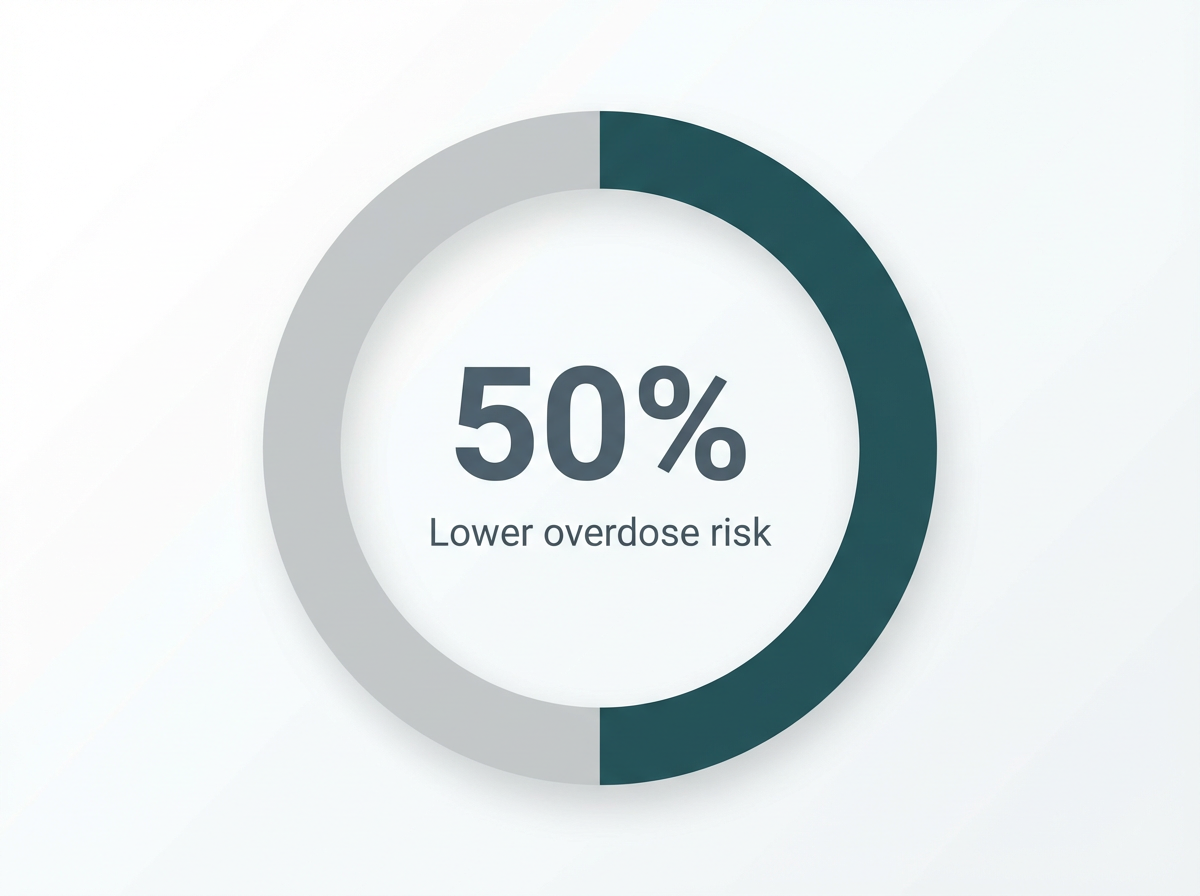
If you answered yes to any of these, MAT could be a powerful tool for you. People who use medications like methadone or buprenorphine are 50% less likely to die from overdose compared to those who don’t get this kind of help.9 Recent changes in federal law now make it easier for providers to prescribe these medications, expanding access across Montana.
This approach works best when you want to reduce cravings, lower your risk of relapse, and stay connected with a team who understands what you’re going through. Remember, choosing MAT is not a sign of weakness—it’s a proven, evidence-based way to stay alive and start feeling better. Every step you take matters.
Culturally-Grounded Healing for Indigenous Communities
For Indigenous families exploring addiction treatment Kalispell MT, culturally-grounded healing can be a powerful part of your journey. Many Indigenous communities find that recovery is strongest when it honors tradition, connection, and holistic wellness. That means programs work best when they include practices like sweat lodges, talking circles, traditional teachings, and ceremonies alongside evidence-based therapies. If you or your loved one feels most supported in environments that celebrate heritage, look for programs that partner with Tribal healers or offer space for cultural traditions.
A simple checklist for choosing a good fit:
- Does the program welcome family and community involvement?
- Are traditional healing practices or Tribal liaisons available?
- Is whole-person wellness—mind, body, emotion, spirit—valued?
Research shows culture-based interventions help strengthen resilience and improve outcomes for Indigenous people in recovery.10 This route is especially meaningful if you want care that recognizes the importance of history, identity, and spiritual balance. Remember, you deserve a path that feels safe and honors your story.
Frequently Asked Questions
Will my insurance cover addiction treatment Kalispell MT programs if I use telehealth?
Most major insurance plans, including Medicaid and Medicare, now cover telehealth for addiction treatment Kalispell MT, thanks to recent federal and state policy changes. This means you can often access virtual therapy, counseling, and medical appointments from home with the same coverage as in-person visits. It’s always smart to call your insurance provider and ask about specific plan details and any requirements for telehealth services. Montana’s new rural health investments and Medicare’s expanded outpatient mental health coverage make remote care more accessible than ever for many residents.8 You deserve support that’s flexible and fits your life, wherever you are.
How do I convince a loved one to accept addiction treatment Kalispell MT when they’re not ready?
It’s so tough to watch a loved one struggle and not feel ready for addiction treatment Kalispell MT. Instead of pushing, start by listening with patience and empathy—sometimes just feeling heard makes a difference. Share your concerns using “I” statements and focus on your care for them, not blame. Gently offer information about treatment options, such as how programs in Kalispell now offer both in-person and virtual support. If your loved one isn’t ready, know that change often takes time and multiple conversations. Research shows that ongoing support from family and friends can encourage someone to eventually seek help.6 Keep showing up—you’re making a difference, even if it’s not immediate.
Can I continue working while attending addiction treatment Kalispell MT programs?
Yes, you can often continue working while attending addiction treatment Kalispell MT programs. Many local providers offer flexible schedules, including evening or virtual Intensive Outpatient Programs (IOP), so you don’t have to choose between your job and your health. Recent changes in Medicare and Montana’s expanded telehealth coverage now make it easier to find treatment times that fit around your work hours.8 This approach works especially well if you need to keep supporting your family or maintain employment while focusing on recovery. Remember, you deserve support that fits your life—balancing treatment and work is possible with the right plan.
What happens if I relapse during or after completing addiction treatment Kalispell MT?
If you experience a relapse during or after addiction treatment Kalispell MT, remember that you are not alone and you have not failed. Relapse is a common part of recovery, and many people need several tries before lasting change takes hold. The important thing is to reach out quickly to your support system and treatment team so you can adjust your plan. Programs in Kalispell offer evidence-based relapse prevention and encourage a compassionate approach—treating setbacks as learning opportunities, not reasons for shame.6 Each step back can help you find what works better for you next time. Your journey is still moving forward.
How long does addiction treatment Kalispell MT typically last before I see results?
The length of addiction treatment Kalispell MT depends on your needs and the type of program you choose. Many people begin to see positive changes within a few weeks, especially if they’re attending intensive outpatient or partial hospitalization programs. However, research shows that longer engagement—at least 90 days in structured care—leads to better, more lasting results for most individuals.6 Remember, everyone’s recovery timeline is different, and it’s completely normal for progress to come in small steps. Celebrate each milestone, and don’t get discouraged if things take time. You’re building a healthier future, one day at a time.
Are there addiction treatment Kalispell MT options that include family therapy or support?
Yes, many addiction treatment Kalispell MT programs include family therapy or support as a core part of care. You’ll often find options for family counseling, education groups, or online family sessions, which help everyone heal together and build stronger support at home. Research supports that involving family in treatment leads to better long-term recovery and helps reduce the risk of relapse.6 Even if your loved ones can’t attend in person, virtual options make it easier for them to join from anywhere. Taking this step can strengthen relationships and give your whole family the tools to move forward with hope.
What technology or internet requirements do I need for virtual addiction treatment Kalispell MT?
For virtual addiction treatment Kalispell MT, you’ll need a device—like a smartphone, tablet, or computer—with a camera and microphone. A stable internet connection is important, but many programs are designed to work well even with basic broadband or strong cellular data. Most platforms use secure, user-friendly video apps that work on both Apple and Android devices. If you’re in a rural area with spotty internet, ask your provider about phone-based sessions or local resources for public Wi-Fi. Montana’s investments in telehealth are making it easier than ever to join virtual care from home, even in remote communities.7 You’ve got what it takes to start—support is just a click away.
Your Next Steps Toward Lasting Recovery
Recovery is a journey that begins with a single, courageous decision. If you or someone you care about is struggling with substance use, know that professional help is available and effective treatment can make all the difference. Your first call can be to SAMHSA’s National Helpline at 1-800-662-4357—a free, confidential, 24/7 service that provides treatment referrals and information in English and Spanish.
Immediate Actions You Can Take Today
Start by reaching out to one of these healthcare professionals: your primary care physician, who can provide referrals and initial assessments; a board-certified addiction specialist (addiction psychiatrist or addiction medicine physician); or a licensed therapist specializing in substance use disorders. Many centers offer confidential consultations where you can ask questions, learn about different approaches, and find a path that aligns with your unique needs.
Finding the Right Treatment Program
Don’t hesitate to explore multiple treatment options—finding the right fit is essential for lasting recovery. Research shows that individuals who complete treatment programs have success rates of 40-60% for maintaining long-term recovery, comparable to success rates for managing other chronic conditions like diabetes or hypertension. Treatment approaches vary widely, from outpatient counseling to residential programs, and evidence-based therapies like Cognitive Behavioral Therapy (CBT) and Medication-Assisted Treatment (MAT).
Building Your Support Network
Consider connecting with support groups in your community, whether in-person or online. 12-step programs like Alcoholics Anonymous (AA) and Narcotics Anonymous (NA) offer peer support through structured meetings and mentorship. SMART Recovery provides a science-based, self-empowerment approach with practical tools for managing cravings and building motivation. Faith-based recovery programs like Celebrate Recovery integrate spiritual principles with evidence-based practices. These networks provide encouragement, shared experiences, and accountability as you navigate the challenges ahead.
Remember, seeking help is a sign of strength, not weakness. Recovery is possible, and you deserve support, compassion, and the opportunity to heal. Make one call, send one message, or attend one meeting this week—that single action can set transformation in motion. Your future self will thank you for the courage you show right now.
References
- Get Help – Montana Department of Public Health and Human Services Opioid Resources. https://dphhs.mt.gov/opioid/gethelp
- Mental & Behavioral Health Services – Montana Department of Public Health. https://dphhs.mt.gov/publichealth/chronicdisease/SDOH/MentalandBehavioralHealthServices
- Drug Overdose Deaths in Montana 2014-2023 – Data Report. https://dphhs.mt.gov/assets/publichealth/EMSTS/Data/DrugOverdoseDeaths_2014-2023.pdf
- Gov. Gianforte, DPHHS Announce $233 Million Investment in Montana’s Rural Health Care. https://dphhs.mt.gov/news/2025/December/RuralHealthCareInvestment
- 2024 Issue Brief: The Critical Role of Primary Care in Supporting Montanans with Behavioral Health Needs. https://mthf.org/wp-content/uploads/2024-PC-BH-Issue-Brief.pdf
- Evidence-Based Practices Resource Center – SAMHSA. https://www.samhsa.gov/libraries/evidence-based-practices-resource-center
- Montana Set to Become First State to Launch Free Evidence-Based Digital Mental Health Platform for Youth. https://www.mss.northwestern.edu/about/stories/montana-set-to-become-first-state-to-launch-free-evidence-based-digital-mental-health-platform-for-youth.html
- New Substance Use Disorder Coverage in Medicare in 2024 – Medicare Advocacy. https://medicareadvocacy.org/new-substance-use-disorder-coverage-in-medicare-in-2024/
- Information About Medications for Opioid Use Disorder (MOUD) – FDA. https://www.fda.gov/drugs/information-drug-class/information-about-medications-opioid-use-disorder-moud
- Cultural interventions to treat addictions in Indigenous populations – PMC. https://pmc.ncbi.nlm.nih.gov/articles/PMC4158387/