
Finding Dual Diagnosis Treatment in Billings
Dual diagnosis treatment availability in Billings has expanded significantly in recent years, with local facilities developing integrated care models that address substance use and mental health conditions through coordinated clinical approaches. The infrastructure now supports simultaneous treatment of co-occurring disorders rather than the sequential or parallel treatment models that previously dominated the region.
Billings providers offer multiple service levels within dual diagnosis treatment frameworks, including intensive day programs and outpatient options designed to accommodate professional schedules. These programs typically consolidate psychiatric care, evidence-based therapy, and medication management within single treatment episodes, reducing fragmentation and improving continuity of care. This structural integration helps maintain treatment engagement while minimizing the administrative burden that often accompanies multi-provider coordination.
Local treatment centers specializing in dual diagnosis treatment generally provide clinical assessments to determine appropriate level of care based on symptom severity, functional impairment, and recovery environment factors. Structured day programs deliver intensive clinical support while allowing clients to maintain community connections, whereas outpatient programs offer flexibility for those with work commitments or stable living situations who require comprehensive but less intensive intervention.
When evaluating dual diagnosis treatment programs in the Billings area, key considerations include therapeutic modality (CBT, DBT, trauma-focused approaches), availability of trauma-informed care protocols, medication-assisted treatment capabilities, and the operational structure for coordinating psychiatric services with addiction treatment components. These factors directly impact treatment outcomes and determine whether programs genuinely integrate care or simply co-locate services.
Virtual treatment delivery has become increasingly prevalent among Billings providers, addressing geographic barriers for clients in surrounding rural areas while accommodating professional obligations. These platforms maintain clinical rigor through secure telehealth infrastructure, delivering comparable outcomes to in-person programming while expanding access.
Effective dual diagnosis treatment moves beyond symptom management to address the bidirectional relationship between mental health conditions and substance use patterns. Programs that successfully integrate these treatment streams help clients develop comprehensive coping strategies that address underlying vulnerabilities rather than treating each condition in isolation—an approach that research consistently shows improves long-term recovery outcomes.
Why Integrated Care Works Better Together
The Science Behind Treating Both Conditions
When you sit with a client in Billings who’s wrestling with both depression and alcohol use, you know how intertwined these conditions can be. Science backs up what you see every day: treating mental health and substance use together, not separately, leads to better outcomes for your clients 11. Integrated care means one team, one plan, and one set of goals—no more bouncing between siloed providers or repeating painful histories. Research shows that programs addressing both disorders at the same time help people reduce symptoms faster and lower the risk of relapse, especially with complex cases like PTSD and substance use 12.
It’s not just theory—this approach is now the gold standard. The National Institute on Drug Abuse confirms that integrated treatment leads to improved health, greater stability, and better chances at long-term recovery 11. Montana’s own planning documents urge providers across Billings to move away from fragmented models and toward true dual diagnosis treatment Billings, especially for those in the Medical Corridor, the Heights, or out near Shiloh Crossing 1.
This shift isn’t always easy. Adapting to integrated models takes time, training, and collaboration. But the evidence is clear: every step you take toward integrated care gives your clients in neighborhoods like South Side, Lockwood, or West End a stronger shot at lasting change. Even when the work feels slow, you’re building a foundation that helps people recover as whole human beings, not just as a diagnosis or a label.
Next, let’s see how these scientific advances are shaping the behavioral health landscape right here in Montana.
Montana’s Behavioral Health Landscape Today
Montana’s behavioral health landscape stands out for its unique mix of strengths and challenges. In Billings and beyond, you see firsthand how geography, workforce, and policy shape care. Over 63% of Montana’s population lives in rural areas, and every county is designated as medically underserved for at least one health discipline—including mental health 2221. This means you’re often supporting clients who travel long distances from places like Lockwood, Laurel, or Shepherd, or who rely on telehealth when in-person visits just aren’t possible.
State leaders have made behavioral health a top priority in their 2024–2028 plan, calling for more integrated care, expanded telehealth, and a stronger workforce to close persistent gaps 1. Medicaid updates now support broader definitions of rehabilitative services, opening the door for more flexible, person-centered approaches 4. Still, barriers remain. Many programs struggle with limited staff and high demand, especially when serving both substance use and mental health needs together 15.
Local efforts are making a difference. In Billings, expanded telehealth options and evening hours give clients from neighborhoods like the Heights and South Side a better shot at consistent care—even with busy schedules or winter road conditions. Programs that integrate cultural and trauma-informed care are helping people feel seen and respected. It’s not always easy, but every step toward dual diagnosis treatment Billings helps build a more resilient community.
Next, let’s look at how local neighborhoods and communities across Billings are connecting with these evolving treatment options.
Billings Neighborhoods and Communities We Serve
Geographic accessibility significantly impacts dual diagnosis treatment outcomes, particularly in states like Montana where rural populations face distinct barriers to integrated care. Research consistently shows that individuals in underserved areas experience longer delays between symptom onset and treatment initiation, often resulting in more severe presentations when they finally access care. Understanding how location affects treatment access helps you recognize potential barriers in your own recovery journey.
Urban centers typically offer more concentrated mental health and addiction services, but this doesn’t automatically translate to better dual diagnosis outcomes. The challenge isn’t just proximity—it’s finding providers trained in simultaneous treatment of co-occurring disorders. Many communities have separate systems for mental health and substance use treatment, forcing you to navigate disconnected services that address only part of your experience. This fragmentation undermines recovery effectiveness, regardless of how many individual providers exist in your area.
Telehealth has fundamentally changed access to evidence-based dual diagnosis treatment, particularly for rural and underserved populations. Virtual treatment delivery eliminates transportation barriers, reduces time away from work or family, and connects you with specialized providers who might not practice in your immediate area. Studies indicate comparable outcomes between virtual and in-person dual diagnosis programs when clinical protocols remain consistent. For working professionals managing recovery alongside career responsibilities, this flexibility often determines whether treatment remains sustainable long-term.
The expansion of virtual dual diagnosis services addresses a critical gap in rural healthcare infrastructure. Communities without local psychiatric providers or specialized addiction treatment can now access comprehensive care that integrates medication management, evidence-based therapies, and clinical support without requiring relocation or extensive travel. This matters because consistency drives recovery outcomes—when geographic barriers force you to choose between treatment attendance and daily responsibilities, recovery becomes harder to sustain.
Treatment access shouldn’t depend on zip code. Whether you live in an urban neighborhood or a rural community, effective dual diagnosis treatment requires the same core elements: integrated psychiatric care, evidence-based therapeutic approaches, and flexible delivery that fits your life. The evolution of telehealth options means location no longer has to limit your access to specialized care that addresses both mental health and substance use together.
What to Expect from Your Treatment Journey
Therapies, Telehealth, and Flexible Scheduling
Step into a day of dual diagnosis treatment in Billings and you’ll find care that’s built to flex around your real life. If you’re working with clients in Midtown, the Heights, or Lockwood, you’ve probably seen how critical it is to offer a range of therapeutic options—because no two journeys look the same. In Billings, integrated programs typically include therapies like cognitive behavioral therapy (CBT), dialectical behavior therapy (DBT), trauma-informed care, and creative options such as art or music therapy. These aren’t just buzzwords—they’re proven tools, especially when tailored for the unique needs of neighborhoods like West End and South Side, where daily stressors can vary widely.
Local data shows that expanded telehealth and flexible scheduling are making a real impact in Billings. Nearly two-thirds of Montana’s population lives in rural areas, so remote access isn’t a luxury—it’s a necessity 22. During the recent public health emergency, Medicare telehealth visits for behavioral health in Montana increased dramatically, giving clients in neighborhoods like Josephine Crossing and even outlying areas like Shepherd a chance to stay connected to care without long commutes or parking hassles near the Medical Corridor 10.
Evening and weekend appointments are becoming the norm, offering relief to working professionals and caregivers in West End and Downtown who juggle packed schedules. One team in South Side celebrated when a client, who couldn’t make daytime sessions due to childcare, found stability through a mix of evening groups and telehealth check-ins. Another win came in the Heights, where a young adult attending MSU Billings managed to maintain momentum in recovery by joining group therapy online between classes.
You know the barriers—traffic on King Avenue, unpredictable weather, or limited parking near North 27th Street—but every flexible option chips away at them. In dual diagnosis treatment Billings, adaptability is more than a feature; it’s the key to keeping people engaged and hope alive 10.
Next, you’ll get clarity on how insurance and coverage work for dual diagnosis care in Billings, so you can help clients start strong.
Insurance, Coverage, and Getting Started
Getting started with dual diagnosis treatment Billings doesn’t have to be overwhelming, even with the patchwork of insurance options and paperwork that can come with it. You know that for clients in neighborhoods like the Heights, West End, or Lockwood, clarity about coverage is just as critical as a strong clinical plan. Montana’s Medicaid updates in 2024 now include broader definitions of rehabilitative services, covering medical, mental health, and substance use treatment all under one program—helping clients avoid the confusion of bouncing between providers or plans 4. For adults ages 19–44, households earning up to 138% of the Federal Poverty Level may qualify for HELP Medicaid coverage, which is a lifeline for many working families in Billings 23.
Private insurance plans in Billings, whether through employers in Downtown or self-purchased by entrepreneurs in Midtown, often cover dual diagnosis care, but benefits can vary. It’s always a good move to check plan details for pre-authorization requirements, in-network provider lists, and mental health parity protections. For those serving Indigenous clients, Tribal health programs and Indian Health Service partnerships can help bridge gaps, especially in neighborhoods like South Side. Medicare is another option for older adults, and as of 2026, telehealth for behavioral health remains a covered benefit, making remote support accessible for folks in Shepherd or those facing winter travel along I-90 810.
Local success stories show the difference that clarity and support make. One client in Josephine Crossing was able to start treatment quickly after a thoughtful insurance review, while a South Side family found relief when a care coordinator helped them navigate Medicaid paperwork and secure coverage before the first appointment. You play a vital role in this process—reminding clients that yes, the forms and phone calls are worth it, and each completed step is a win.
To begin, encourage clients to gather their insurance cards, ID, and any recent medical records before intake. A quick call to their plan or a local resource center can often answer eligibility questions. Every neighborhood in Billings has its own rhythm, but with the right information, you help people take that crucial first step toward recovery. Next, you’ll find answers to common questions about dual diagnosis treatment in Billings, from neighborhood accessibility to program details.
Your Next Step Toward Lasting Recovery
Integrated dual diagnosis treatment represents the evidence-based standard for addressing co-occurring substance use and psychiatric disorders. When both conditions receive simultaneous clinical attention through coordinated care, treatment outcomes improve significantly compared to sequential or fragmented approaches. The research consistently demonstrates that treating one condition while neglecting the other compromises long-term stability and increases relapse risk.
The effectiveness of dual diagnosis treatment depends on several key factors: comprehensive psychiatric assessment, medication management when clinically indicated, evidence-based therapeutic modalities that address both conditions, and sufficient treatment intensity to support meaningful change. Structured programs—whether partial hospitalization or intensive outpatient formats—provide the clinical framework necessary for addressing complex co-occurring conditions while allowing individuals to maintain essential life responsibilities.
For professionals evaluating treatment options for dual diagnosis conditions, the priority should be finding programs that demonstrate genuine integration rather than parallel treatment tracks. Look for facilities with psychiatric providers experienced in addiction medicine, therapists trained in evidence-based modalities for co-occurring disorders, and treatment structures that address the interactive nature of substance use and mental health symptoms.
If you’re considering treatment for co-occurring conditions, Healing Rock Recovery in Billings, Montana offers integrated dual diagnosis programming through both partial hospitalization and intensive outpatient levels of care. Our clinical team specializes in the simultaneous treatment of substance use disorders alongside conditions including depression, anxiety, PTSD, bipolar disorder, and OCD. Contact us to discuss how our evidence-based approach might support your recovery goals.
Frequently Asked Questions
Do you serve clients coming from neighborhoods like the Heights, West End, or Downtown Billings?
Yes, clients from the Heights, West End, Downtown, and other Billings neighborhoods are fully supported in dual diagnosis treatment. Programs across the city are designed to be accessible, whether you’re working near the Medical Corridor, living off Grand Avenue, or commuting from Midtown or Lockwood. Local planners have made it a priority to reduce barriers—expanded telehealth and flexible scheduling now help clients from all corners of Billings stay engaged in care, even if busy traffic on King Avenue or limited parking near North 27th Street is a concern 110. Each step you help your clients take, no matter their neighborhood, is a win for both them and the community.
Which I-90 exit should I take, and where can I park when I arrive for dual diagnosis treatment in Billings?
When arriving for dual diagnosis treatment Billings, most locations are easiest to reach by taking the 27th Street exit off I-90, which puts you close to the Medical Corridor, Downtown, and Midtown neighborhoods. If you’re coming from the West End or Heights, local routes like King Avenue or Main Street can connect you smoothly to the heart of the city. Parking can be tight near North 27th Street, especially during busy clinic hours, but alternative lots and public transit options are available to help ease the process 1. It’s okay if finding a spot feels frustrating—every successful arrival is a step forward for clients and care teams alike.
Can I attend dual diagnosis treatment virtually if I live in a rural Montana community outside Billings?
Yes, you can attend dual diagnosis treatment virtually if you live in a rural Montana community outside Billings. With nearly 63% of Montana’s population living in rural areas, expanded telehealth has become a lifeline, making high-quality care accessible even if you’re hours from the city 22. Medicare and Medicaid both support behavioral health telehealth, and many local programs offer virtual group and individual sessions—letting clients from places like Laurel, Shepherd, or Red Lodge stay engaged in treatment without the stress of travel 810. Every connection you help make, whether in-person or online, is a step toward recovery and greater continuity of care.
How is a ‘dual diagnosis capable’ program different from a ‘dual diagnosis enhanced’ program in Montana?
A “dual diagnosis capable” program in Montana is designed to identify and address both mental health and substance use disorders, but it may only offer basic services for each and typically refers out for more complex needs. In contrast, a “dual diagnosis enhanced” program provides fully integrated, in-depth treatment—blending psychiatric care, addiction therapy, and coordinated planning right from intake to discharge. Enhanced programs are expected to handle clients with more severe or unstable conditions, using team-based approaches and evidence-based practices throughout care. This distinction matters for dual diagnosis treatment Billings providers as it shapes the level of support your clients receive 27.
What Montana Medicaid requirements apply to dual diagnosis treatment, and do I qualify under HELP coverage?
Montana Medicaid covers dual diagnosis treatment Billings through updated requirements that include both mental health and substance use services as part of “rehabilitative” care 4. To qualify, adults ages 19–44 with household income up to 138% of the Federal Poverty Level (FPL) may be eligible for HELP Medicaid coverage, which is especially vital for working families across neighborhoods like the Heights and Lockwood 23. Medicaid now recognizes integrated, person-centered approaches, so providers can deliver therapies and supports without splitting clients between separate programs. If you’re helping someone apply, remind them that gathering ID, income details, and recent medical records can smooth the process. Every completed application is a step forward!
Can I keep working or caring for my family while in a dual diagnosis treatment program in Billings?
Yes, you can keep working or caring for your family while in a dual diagnosis treatment program in Billings. Programs across the city, from Midtown to the West End, offer flexible scheduling with evening and telehealth options, so you don’t have to put your job or loved ones on hold to get help 10. Many professionals and caregivers in Billings have found that these flexible formats make it possible to continue daily routines while staying engaged in treatment. Local data shows that adaptability isn’t just a perk—it’s essential for participation, especially in neighborhoods where responsibilities run deep 22. Every adjustment you make to support your clients’ lives is a real and meaningful win.
What should I bring to my first day, and how long does the dual diagnosis treatment process typically last?
Bring a photo ID, your insurance card (if using insurance), a list of current medications, and any recent medical or mental health records to your first day of dual diagnosis treatment Billings. If you’re coming from neighborhoods like West End or Midtown, remind your clients to have a notebook or support contact info handy, as these can help ease first-day jitters. Treatment length varies—most partial hospitalization or intensive outpatient programs in Billings last from a few weeks to several months, depending on individual needs and progress 7. Every intake completed and session attended is a real achievement on the road to recovery!
References
- Montana State Health Improvement Plan 2024–2028. https://dphhs.mt.gov/assets/publichealth/ahealthiermontana/2024StateHealthImprovementPlanDraft_publiccomment.pdf
- Behavioral Health Barometer: Montana, Volume 6. https://www.samhsa.gov/data/sites/default/files/reports/rpt32843/Montana-BH-Barometer_Volume6.pdf
- Substance Use & Mental Health Statistics. https://boards.bsd.dli.mt.gov/_docs/med/SUD-MHD-Stats.pdf
- Montana State Plan Amendment (SPA) #: 23-0023. https://www.medicaid.gov/medicaid/spa/downloads/MT-23-0023.pdf
- Adult Behavioral Health and Substance Use Disorder Provider Manuals and Program Resources. https://dphhs.mt.gov/BHDD/SubstanceAbuse/ProviderManualsandProgramResources
- Addictive and Mental Disorders Division Medicaid Manual. https://dphhs.mt.gov/assets/BHDD/MedicaidManual/AMDDMedicaidPolicyManual7.1.2020.pdf
- Adult Intensive Outpatient Therapy Services Clinical Management Guidelines. https://medicaidprovider.mt.gov/docs/forms/adulttherapyguidelines.pdf
- Telehealth FAQ. https://www.cms.gov/files/document/telehealth-faq-updated-02-26-2026.pdf
- CCIIO-led Behavioral Health & Telehealth Learning Collaborative in Alaska, Montana, New Mexico, and Wyoming. https://www.cms.gov/files/document/cciio-behavioral-health-report-508.pdf
- Examining Rural Telehealth During the Public Health Emergency. https://www.cms.gov/files/document/examining-rural-telehealth-jan-2023.pdf
- Co-Occurring Disorders and Health Conditions. https://nida.nih.gov/research-topics/co-occurring-disorders-health-conditions
- Integrated vs non-integrated treatment outcomes in dual diagnosis disorders: A systematic review. https://pmc.ncbi.nlm.nih.gov/articles/PMC10157410/
- Integrating Treatment for Co-Occurring Mental Health Conditions. https://pmc.ncbi.nlm.nih.gov/articles/PMC6799972/
- Integrated Treatment of Substance Use and Psychiatric Disorders. https://pmc.ncbi.nlm.nih.gov/articles/PMC3753025/
- Dual diagnosis capability in mental health and addiction treatment programs. https://pmc.ncbi.nlm.nih.gov/articles/PMC3594447/
- Treatment Access Barriers and Disparities Among Individuals with Co-Occurring Mental Health and Substance Use Disorders. https://pmc.ncbi.nlm.nih.gov/articles/PMC4695242/
- A systematic review of gender-responsive and integrated substance use and mental health treatments. https://pubmed.ncbi.nlm.nih.gov/36283062/
- Reported Non–Substance-Related Mental Health Disorders Among Persons Who Died of Drug Overdose — United States, 2022. https://www.cdc.gov/mmwr/volumes/73/wr/mm7334a3.htm
- SUDORS Dashboard: Fatal Drug Overdose Data. https://www.cdc.gov/overdose-prevention/data-research/facts-stats/sudors-dashboard-fatal-overdose-data.html
- Mental Illness. https://www.nimh.nih.gov/health/statistics/mental-illness
- Maternal and Child Health Services Title V Block Grant Montana FY 2025 Application / FY 2023 Annual Report. https://dphhs.mt.gov/assets/ecfsd/MCH/MT_TitleV_FY25.pdf
- State Rural Health Plan 2021. https://dphhs.mt.gov/assets/oig/FlexGrantStateRuralHealthPlan.pdf
- Plan First – Montana Healthcare Programs. https://dphhs.mt.gov/MontanaHealthcarePrograms/PlanFirst/
- General Information for Providers Manual. https://medicaidprovider.mt.gov/manuals/generalinformationforprovidersmanual
- Drug Overdose Deaths Among Persons Aged 10–19 Years. https://www.cdc.gov/mmwr/volumes/71/wr/mm7150a2.htm
- National Health Statistics Reports. https://www.cdc.gov/nchs/data/nhsr/nhsr141-508.pdf
- MONTANA | State Residential Treatment for Behavioral Health Conditions: Roadmap and Toolkit. https://aspe.hhs.gov/sites/default/files/2021-08/StateBHCond-Montana.pdf
- Faith-based intervention, change of religiosity, and abstinence of substance abuse among recovering addicts. https://pmc.ncbi.nlm.nih.gov/articles/PMC8827378/
See Integrated Dual Diagnosis Care in Action
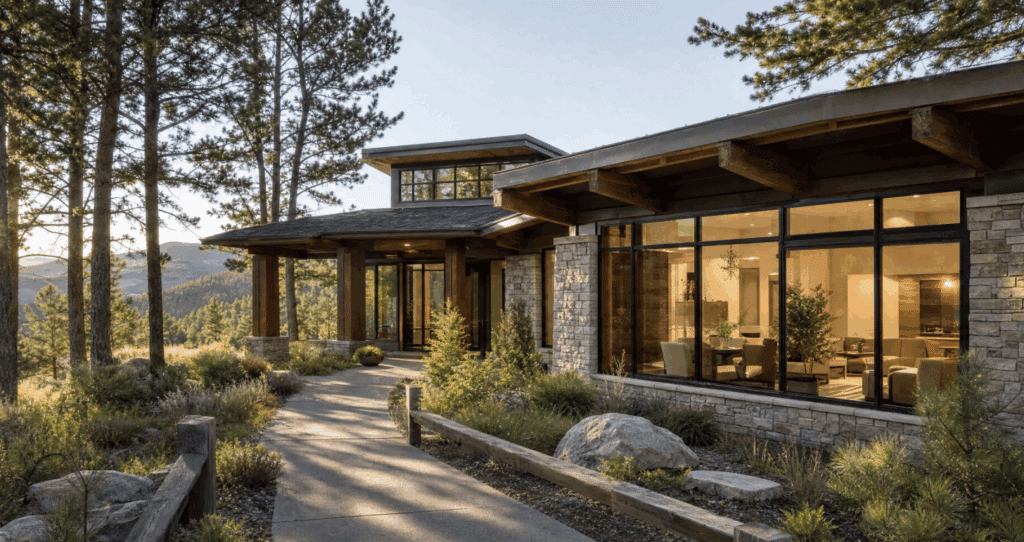
Experience the supportive environment and personalized approach before starting dual diagnosis treatment in Billings.