
Key Takeaways
- Neighborhoods Served: Accessible care for residents in the Heights, West End, South Side, Lockwood, Midtown, and Downtown.
- Local Data: Addressing the 40% surge in opioid-involved incidents across Yellowstone County with targeted, professional support.
- Landmarks: Facilities and community networks conveniently located near the Moss Mansion, Dehler Park, and the St. Vincent Hospital corridor.
- Transportation: Programs designed around local logistics, including MET Transit routes, I-90 access, and telehealth for winter driving conditions.
Understanding the Landscape of Addiction Resources Billings MT
Current State of Substance Use in Yellowstone County
When you look at the impact of substance use firsthand in Billings neighborhoods like the Heights, West End, South Side, and along the busy 24th Street corridor near Rimrock Mall, the need for reliable addiction resources Billings MT becomes clear. Yellowstone County, home to about 180,000 people, faces rising challenges—opioid-involved incidents in Montana have surged 40% since 2018, with Billings accounting for nearly 1 in 10 of those cases.2,5

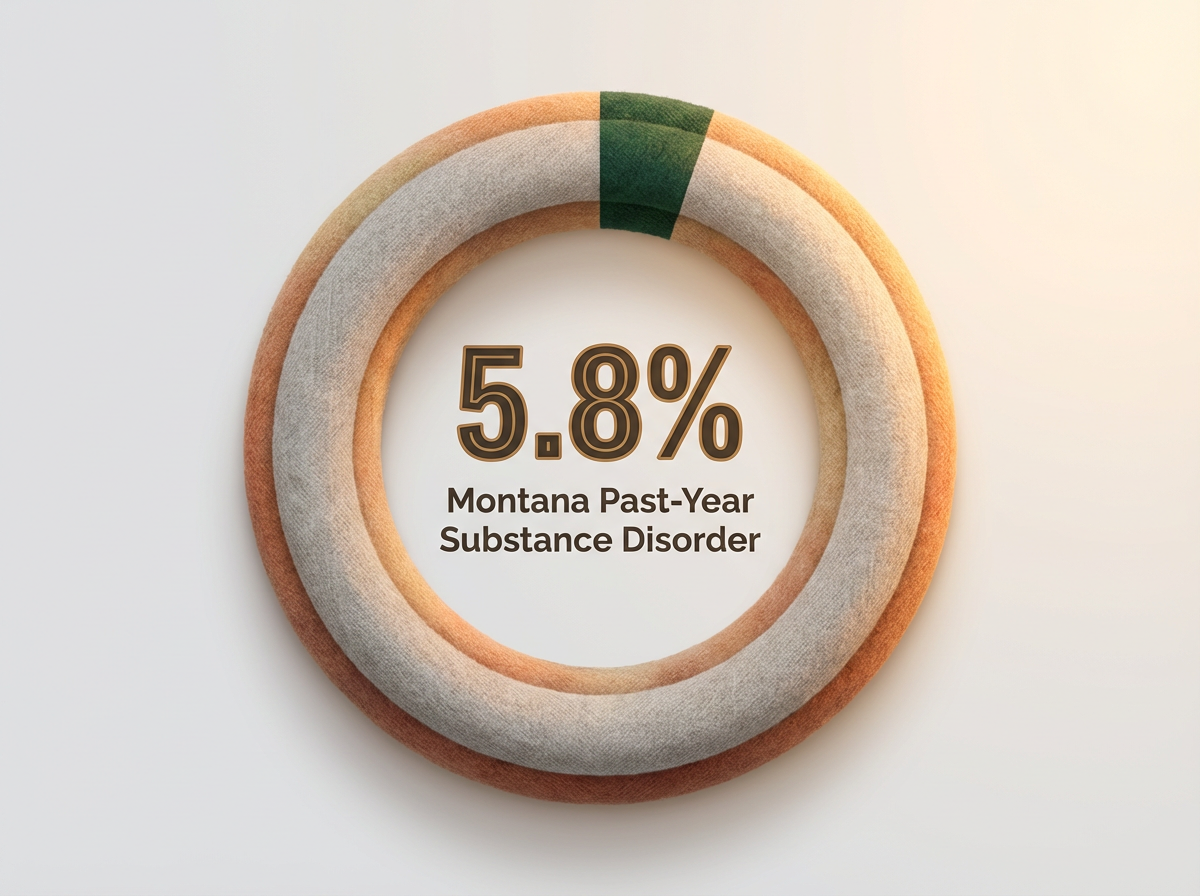
Methamphetamine and alcohol use are also significant concerns, showing up in ER admissions and community outreach reports from areas like Downtown and Lockwood. Local data show that around 5.8% of residents aged 12 and older in Montana experience a substance use disorder each year. In Billings, waitlists for dual diagnosis services stretch longer in neighborhoods further from the medical corridor near St. Vincent Hospital and the Moss Mansion.1
Even with expanded Medicaid and telehealth, only about 13-14% of those needing help actually receive formal treatment. Despite these barriers, the city has made progress. Naloxone distribution programs increased by 300% since 2018, saving lives everywhere from Midtown to the area near Dehler Park. Peer support organizations are thriving, with testimonials from Heights residents who credit their recovery to local meetings accessible by MET Transit.7,9
“Having resources close to home gave me hope when I thought I’d run out of options.”
These realities shape how addiction resources Billings MT are delivered and highlight the need for flexible, community-based solutions. Next, let’s look at how Montana’s rural setting influences care access in and around Billings.
How Montana’s Rural Setting Shapes Care Access
Small-town roads and wide-open spaces define Billings, but those same features can make accessing care challenging—especially for residents of Laurel, Lockwood, and Shepherd. In some neighborhoods, like the Heights or South Side, getting to a treatment center means crossing city limits or navigating traffic on Main Street and King Avenue. While Downtown is minutes from the hospital corridor and Dehler Park, many in West End or Blue Creek find public transit limited and rideshare options unreliable, which complicates daily attendance.
Montana’s rural setting means Billings serves as a regional hub for addiction resources Billings MT, drawing people from outlying counties who may travel over an hour for each appointment. There are 60% fewer substance use disorder treatment providers per capita in rural areas compared to urban settings—a gap that hits hard in the neighborhoods on the city’s edge.5
For those living farther from the city center, waitlists for dual diagnosis services can feel endless, and even simple things like finding safe parking near the Moss Mansion or medical district add another layer of stress. Still, local success stories show determination pays off.
“Finding a spot close to the bus stop helped me stick with my plan. Telehealth sessions let me keep working while getting support, especially helpful given Billings’ unpredictable winter driving.”
Understanding these unique access barriers helps shape how addiction resources Billings MT are delivered. Next, explore which treatment options are making a difference for people across the city.
Comprehensive Addiction Resources Billings MT Available Locally
Outpatient Programs: PHP and IOP Models
Outpatient programs in Billings—especially Partial Hospitalization Programs (PHP) and Intensive Outpatient Programs (IOP)—bring critical structure to recovery for people living in neighborhoods like West End, Heights, Downtown, and Lockwood. These models offer a safe, supportive environment with access to therapy, medical care, and peer groups, all while letting participants continue their everyday routines.

Being close to major routes like King Avenue and near landmarks such as the Moss Mansion or Dehler Park means more residents can reach their appointments without the added stress of long commutes or limited parking, an issue frequently mentioned by those in Midtown and the hospital corridor. PHP and IOP options make addiction resources Billings MT more accessible, especially for those balancing work, family, or school.
| Program Type | Time Commitment | Best For | Location Flexibility |
|---|---|---|---|
| Partial Hospitalization Program (PHP) | Full-day sessions, up to 5 days a week | Individuals needing structured, intensive daily support | In-person near Downtown and Midtown |
| Intensive Outpatient Program (IOP) | Flexible daytime or evening sessions | Working professionals balancing career and recovery | In-person or Virtual (accessible via I-90 or MET Transit) |
Across the city, the number of Medicaid participants receiving outpatient substance use disorder services rose by more than 70% from 2018 to 2023, showing these flexible formats are making a difference for local residents. A testimonial from a South Side participant highlights, “Having IOP just a few blocks from my apartment on 24th Street gave me a lifeline when I was feeling isolated.” Another from the Heights reflects, “The group schedule fit around my job, so I never had to choose between recovery and providing for my family.”5
Choosing between PHP and IOP often comes down to your support needs, risk level, and daily commitments. Next, see how virtual treatment platforms help bridge remaining gaps for Billings and nearby communities.
Virtual Treatment Platforms Expanding Reach
Virtual treatment platforms are changing how addiction resources Billings MT reach people in neighborhoods like Lockwood, Heights, and Blue Creek—areas where winter roads or limited public transit can keep you from making it to in-person groups. These online services connect residents right from their homes, even if they’re blocks away from the Rimrock Mall or out past the hospital corridor near St. Vincent.
This accessibility is especially helpful for those who need support outside traditional hours, including working professionals in West End and students living closer to Downtown or South Side. Since 2020, Billings hospitals and clinics have expanded telehealth for substance use disorder, helping close the gap left by a 60% shortage of providers in rural areas compared to Montana’s urban centers.5
Navigating online portals is straightforward. For example, when accessing your secure telehealth dashboard, you might use Ctrl + D to bookmark the page. If you are setting up your profile, you may need to enter a secure access snippet:
One participant from Midtown shared, “Virtual groups let me stay engaged in recovery while caring for my kids at home.” Another from Blue Creek said, “Telehealth was a lifeline during snowstorms when I couldn’t drive into town.” These platforms also address city-specific hurdles like finding safe parking Downtown or managing unpredictable traffic off King Avenue.
By combining confidential access with flexible scheduling, virtual care ensures more people in Billings neighborhoods can get the help they need. Every step you take—whether logging in from your kitchen table or joining a group after a long workday—builds momentum. Next, learn how Billings’ evidence-based therapies are supporting recovery and long-term progress.
Evidence-Based Therapies in Billings Programs
Integrated Dual Diagnosis Treatment Approaches
Integrated dual diagnosis approaches are making a meaningful difference in Billings neighborhoods like Heights, South Side, West End, and Midtown. In recent years, local providers have recognized that treating mental health and substance use disorders together leads to better outcomes—especially for residents managing anxiety, depression, PTSD, or bipolar disorder alongside substance use.10
You see this integration in programs near Downtown and the Moss Mansion, where clinicians coordinate care plans that include trauma therapy, cognitive behavioral therapy, and support groups all under one roof. For many in Billings, the ability to access these services in familiar neighborhoods—close to the MET Transit line or within minutes of the Convention Center—removes barriers that once kept people from seeking help.
- Streamlined Care: Addressing PTSD and substance use simultaneously prevents fragmented treatment.
- Walkable Access: Facilities located near major transit hubs make consistent attendance easier.
- Team-Based Support: Coordinated medication management and therapy visits build confidence.
About 13-14% of Billings residents with co-occurring conditions now access integrated treatment, a rate that surpasses national averages and reflects the city’s push for holistic care. Concerns like finding safe parking near the hospital corridor or navigating King Avenue traffic don’t have to hold you back—many programs offer flexible hours and telehealth options to meet you where you are.7
Billings’ commitment to whole-person healing is clear in these integrated models. Next, let’s see how medication-assisted treatment and harm reduction complement this approach in local programs.
Medication-Assisted Treatment and Harm Reduction
Medication-assisted treatment (MAT) and harm reduction are reshaping how addiction resources Billings MT support recovery in neighborhoods from West End to Lockwood and South Side. MAT—using FDA-approved medications alongside counseling—helps people manage withdrawal and cravings, so they can participate fully in daily life.
In Billings, less than half of individuals with opioid use disorder actually receive MAT, but local clinics are working to close that gap with expanded provider training and flexible hours. Many programs are now located close to major routes like King Avenue or near the hospital corridor, making it easier for Midtown and Heights residents to get to appointments, even with rush hour traffic and limited parking.6
Harm reduction is also driving progress, especially as naloxone distribution programs have increased by 300% since 2018 in the city9. These efforts are visible in community outreach events near Dehler Park or peer-led workshops Downtown and in the Heights.
“Access to MAT near my bus route helped me stay on track, even when work got overwhelming.”
Concerns about neighborhood safety, parking, and transportation are real, but the growth of mobile harm reduction teams and pharmacy-based naloxone access is making a difference across Billings. These tools empower you to meet people where they are—one positive step at a time. Next, find out how insurance coverage and support services help remove even more barriers to care.
Navigating Insurance and Support Services
Medicaid Expansion and Coverage in Montana
If you serve individuals in Billings neighborhoods like South Side, Heights, Laurel, or the West End, you know how much Medicaid expansion has changed the landscape for addiction resources Billings MT. Since Montana expanded Medicaid, coverage for substance use disorder treatment—including partial hospitalization, intensive outpatient, and medication-assisted therapy—has become available to thousands more residents.
This has made services in areas near St. Vincent Hospital or close to the Moss Mansion much more accessible, especially for those commuting from Midtown or Lockwood and using I-90 or Main Street to reach care. Today, Medicaid must cover substance use disorder treatment as an essential benefit, meaning people in Billings can access necessary therapies, recovery groups, and dual diagnosis care without facing overwhelming financial barriers.7
View Medicaid Expansion Details for Yellowstone County
Since the expansion, Medicaid covers essential benefits including partial hospitalization, intensive outpatient care, and medication-assisted therapy. This ensures that working professionals and residents across Billings can access comprehensive care without prohibitive financial barriers.In fact, the number of Medicaid participants receiving outpatient substance use disorder services in Montana grew from 1,396 in 2018 to 2,393 in 2023—a 70% increase that’s reflected in more filled group rooms and busy clinics across Billings. One Heights resident shared, “Having Medicaid meant I could finally focus on getting better instead of worrying about paperwork or bills.”5
It’s not always easy navigating traffic around the hospital corridor or finding safe parking near Downtown, but expanded coverage means help is available in every corner of the city. Next, you’ll see how recovery housing and local support networks keep momentum going after treatment ends.
Recovery Housing and Community Support Networks
Recovery housing and community support networks are vital pillars for sustained progress in Billings, especially for residents navigating transitions after structured treatment. You’ll find recovery homes in neighborhoods like Midtown, West End, South Side, and near Downtown, often just minutes from the Moss Mansion or within a short walk of MET Transit routes.
These residences offer safe environments and peer support, helping reduce the risk of relapse and promoting stability while you rebuild personal and professional routines. Local data reflect a growing commitment to these resources—Billings has seen the number of certified behavioral health peer support specialists more than triple since 2019, supporting recovery groups and transitional housing across the city.4
One Midtown resident described how moving into a recovery house near the Convention Center “made it possible to stay connected and accountable.” Another from the Heights said, “Having peer support in my neighborhood helped me get through the tough days without feeling alone.”
City-specific challenges like parking near Downtown, traffic on King Avenue, or safety concerns in certain areas are real, but the sense of belonging fostered in community-based networks makes a lasting impact. These connections, often rooted in neighborhood meetings or faith-based gatherings, help reinforce momentum long after formal treatment ends. Next, discover answers to the most common questions about accessing and sustaining addiction resources Billings MT.
Frequently Asked Questions
Can I access treatment if I live in Laurel or Lockwood?
Yes, you can access treatment if you live in Laurel or Lockwood. Billings acts as a regional hub for addiction resources Billings MT, and many providers recognize the unique transportation and scheduling needs faced by residents in these areas. While public transit options to Midtown or Downtown may be limited, telehealth services have expanded across Yellowstone County, meaning you can join group or individual sessions from home—even during harsh winter weather. One Lockwood participant described how a Midtown program, just off I-90, allowed them to access support without a long commute. Every step you take, no matter your ZIP code, is valued and supported.5
What happens if I need to continue working during treatment?
If you need to keep working while starting treatment, you’re not alone—many people in Billings neighborhoods like Midtown, Heights, and West End face the same concern. Outpatient programs such as IOP and PHP are designed with flexibility in mind, offering daytime and evening sessions so you can fit appointments around your work schedule. Virtual treatment options have also expanded, letting you join groups or therapy from home—even after a shift or during a lunch break—which is especially useful for those in areas like South Side or Lockwood. These adjustments help you maintain your job and your recovery momentum. Every step you take is progress.5
How do I know if I need dual diagnosis treatment?
If someone in Billings is struggling with both substance use and challenges like depression, anxiety, or PTSD, that’s when dual diagnosis treatment may be needed. You might notice in neighborhoods like Heights, Midtown, or South Side that symptoms overlap—maybe someone is using alcohol or methamphetamine to cope with trauma or mental health struggles, which is common locally. Dual diagnosis care addresses both issues together, leading to stronger outcomes and more stability for folks across Billings. If mental health symptoms continue during sobriety or interfere with daily life in places like West End or Lockwood, it’s time to seek a program that treats both at once. Every step you take to explore addiction resources Billings MT brings you closer to lasting progress.10
Are peer support specialists available in Yellowstone County?
Yes, peer support specialists are available throughout Yellowstone County, including Billings neighborhoods like Midtown, West End, Heights, and South Side. Their numbers have grown rapidly—certified behavioral health peer support specialists in Montana have more than tripled since 2019, now supporting recovery groups and transitional housing across the city. These specialists draw on their own experiences to offer encouragement, share tools, and walk alongside you during tough moments. Many local meetings and recovery homes near Downtown, the Convention Center, or MET Transit routes feature peer support as a core resource. Every step you take with peer guidance helps reinforce your progress and commitment to recovery.4
What should I bring to my first appointment at a Billings treatment center?
For your first appointment at a Billings treatment center—whether you’re near the hospital corridor, Midtown, Heights, or West End—bring a valid photo ID, your insurance or Medicaid card if you have one, and a list of any current medications. If you’re coming from outlying spots like Laurel or Lockwood, consider packing a small notebook for questions and a support person if you’d like. Some centers, especially those close to MET Transit or around the Moss Mansion, recommend you arrive early to navigate parking or traffic. Most importantly, bring your openness and readiness for change—every step you take toward addiction resources Billings MT makes a difference 7.
How long do most people stay in outpatient programs?
Most people in Billings neighborhoods—like Midtown, Heights, and West End—attend outpatient programs such as IOP or PHP for anywhere from four to twelve weeks, depending on their unique needs and progress. The average stay for addiction resources Billings MT matches national trends, with flexibility to adjust for work, family commitments, or transportation challenges. Some participants in South Side or Lockwood find that longer engagement leads to better stability, especially if they’re balancing recovery with daily responsibilities. Remember, your path is individual—every week you stay connected to support groups and therapy is a meaningful win. Don’t hesitate to celebrate each milestone, no matter how small.5
Starting Your Recovery Journey in Billings
Beginning your journey positions you within a comprehensive dual diagnosis framework designed specifically for working professionals managing co-occurring disorders. Healing Rock Recovery provides addiction resources Billings MT that combine structured therapeutic programming with the flexibility required to maintain your professional responsibilities while addressing mental health conditions simultaneously.
Our programs include both Partial Hospitalization Programs (PHP) and Intensive Outpatient Programs (IOP), available in-person at our Montana facility or through virtual platforms. This dual-modality approach ensures you have access regardless of geographic constraints or demanding schedules. The PHP structure provides intensive daily programming, while IOP options integrate evidence-based therapeutic interventions with continued workplace engagement.
The care you receive incorporates proven modalities including Cognitive Behavioral Therapy (CBT), Dialectical Behavioral Therapy (DBT), and Medication-Assisted Treatment (MAT) within integrated protocols. We address the full spectrum of co-occurring conditions—anxiety, depression, PTSD, bipolar disorder, ADHD, and OCD—recognizing that comprehensive outcomes require simultaneous treatment of interconnected challenges rather than sequential approaches.
Montana’s natural setting provides distinct therapeutic advantages, offering a peaceful environment that supports neurological regulation and stress reduction—critical factors in sustainable outcomes. Our addiction resources Billings MT also feature culturally competent programming, including the Wellbriety approach for Indigenous healing traditions, alongside trauma-informed care frameworks. This comprehensive model delivers measurable clinical progress while honoring diverse backgrounds and professional contexts throughout your recovery process.
References
- 2023 National Survey on Drug Use and Health – State Estimates. https://www.samhsa.gov/data/sites/default/files/reports/rpt35325/NSDUHsaeStateTabs2023.pdf
- CDC: Overdose Death Rates and Trends. https://www.cdc.gov/nchs/nvsr/vsrr/overdose-deaths.htm
- Montana Department of Public Health and Human Services – Addictive and Mental Disorders Division. https://dphhs.mt.gov/Addictive_and_Mental_Disorders/
- Montana Recovery and Peer Support Resources. https://www.montana.gov/dphhs/Addictive_and_Mental_Disorders/Recovery-and-Peer-Support
- NIH: Initiative to Expand Addiction Treatment in Rural America. https://www.nih.gov/news-events/news-releases/nih-launches-major-initiative-expand-addiction-treatment-rural-america
- SAMHSA: Medication-Assisted Treatment Information. https://www.samhsa.gov/medication-assisted-treatment/medication-assisted-treatment
- Healthcare.gov: Substance Use Disorder Services Coverage. https://healthcare.gov/coverage/substance-use-disorder-services/
- CDC: Alcohol Use and Health. https://www.cdc.gov/alcohol/fact-sheets/alcohol-use.htm
- SAMHSA: Naloxone and Overdose Prevention. https://www.samhsa.gov/find-treatment/naloxone
- SAMHSA State Estimates 2022: Substance Use and Mental Health. https://www.samhsa.gov/data/nsmhwb/reports/NSDUHsaeStateEstimates2022.pdf