

Key Takeaways
- Decision Flowchart: Assess client acuity → Determine medical stability → Assign to the appropriate dual diagnosis program tier (Inpatient, PHP, or IOP).
- Top 3 Success Factors: 1) Integrated psychiatric and substance use care, 2) Evidence-based therapies like CBT and DBT, 3) Consistent family or peer support systems.
- Immediate Next Action: Audit your current clinical pathways to ensure mental health and substance use assessments are conducted simultaneously during intake.
Understanding Co-Occurring Disorders in a Dual Diagnosis Program
The Connection Between Mental Health and Substance Use
When evaluating care models for your facility, implementing a comprehensive dual diagnosis program is essential for treating individuals with complex needs. Understanding how mental health and substance use connect isn’t always straightforward. The relationship goes both ways: mental health symptoms can lead someone to use substances for relief, while substance use can worsen or trigger mental health issues.
Mental Health Symptoms ↔ Substance Use ↔ Worsening of Both
Checklist: Spotting the Link Between Mental Health and Substance Use
Start by asking yourself these questions regarding your caseload:
- Have symptoms of depression, anxiety, or trauma intensified during periods of substance use?
- Has substance use become a way to cope with difficult emotions or mental health struggles?
- Do you notice cycles where changes in your clients’ mental health seem tied to increases or decreases in substance use?
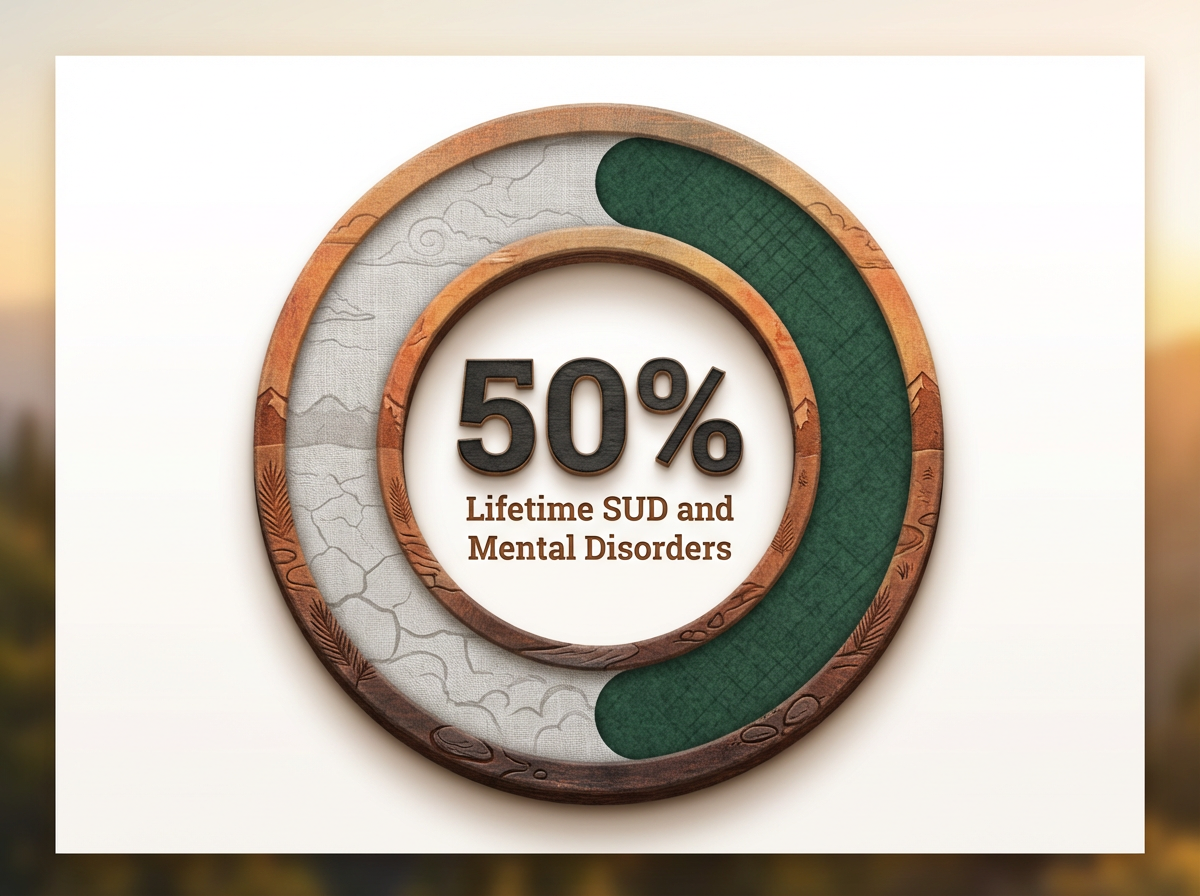
In fact, about 50% of people who experience a substance use disorder during their lifetime will also experience a mental health disorder, and vice versa8. This overlap makes it especially hard to tell where one problem ends and the other begins—sometimes, they feed into each other in a pattern that’s tough to break.
This approach is ideal for clinicians and treatment teams who want to offer truly effective, person-centered care. If you notice that your clients’ symptoms in one area seem to drive or be driven by struggles in the other, it may be time to consider an integrated plan. Yes, untangling these connections is challenging, and that’s okay—every honest conversation about the link between mental health and substance use is a step toward lasting progress.
Why Integrated Treatment Works Better
Decision Tool: Is Integrated Treatment the Best Fit?
Ask yourself or your team:
- Are your clients showing both mental health and substance use symptoms at the same time?
- Have single-focus treatments failed to bring sustained improvement?
- Do your clients need a plan that addresses both conditions together?
When you’re supporting people with co-occurring disorders, it’s easy to feel frustrated by slow progress or repeated setbacks. Integrated treatment brings mental health and substance use care together, creating a safer, more effective path to healing.
“Instead of treating each issue separately—sometimes by different teams with different goals—an integrated approach coordinates care so both conditions are addressed at once.”
This fosters better communication between professionals, leading to fewer gaps in care and a stronger safety net for those you serve. Research shows that a dual diagnosis program with integrated treatment leads to better long-term results than managing conditions separately. Clients are more likely to achieve lasting recovery, experience fewer relapses, and report improved overall well-being when both challenges are treated together3, 4.
This strategy suits organizations that aim for higher retention rates and better outcomes, especially when previous, single-focus interventions haven’t worked. Remember, it’s normal to feel overwhelmed by the complexity of co-occurring disorders—choosing an integrated model is a step that honors both the challenge and the hope of recovery.
Signs Your Clients Need a Dual Diagnosis Program
Assessing Your Current Symptoms
Symptom Self-Assessment: Are You Seeing Signs of Dual Needs?
Start your assessment with these reflection points for your caseload:
- Are mood swings, anxiety, or intrusive thoughts getting worse as substance use continues?
- Do clients struggle to manage daily responsibilities because both mental health and substance use symptoms feel overwhelming?
- Have you noticed that treating one set of symptoms alone hasn’t brought the relief you hoped for?
Recognizing when both mental health and substance use are driving distress can feel discouraging, but identifying these patterns is progress. Many professionals find that when symptoms persist despite best efforts, it’s a strong indicator that an integrated approach is needed. When documenting these complex cases in your EHR, you might use specific diagnostic codes. For example:
Primary: F10.20 (Alcohol Use Disorder)
Secondary: F32.9 (Major Depressive Disorder)
Press Enter or Save to ensure these dual codes are tracked properly for a dual diagnosis program. About 50% of people with a substance use disorder will also experience a mental health disorder during their lifetime, so if you’re seeing both, you’re not alone8.
This path makes sense for clinicians and care teams noticing that their clients’ symptoms don’t fit neatly into one category, or when cycles of relapse and acute distress repeat themselves. It’s common to feel uncertain about next steps, and that’s okay. What matters is your willingness to notice patterns and consider that a dual diagnosis program may offer the structure and support your clients truly need. Every honest assessment gets you closer to the solutions that work.
When Previous Treatment Hasn’t Worked
Decision Checklist: Is It Time to Shift Your Approach?
- Have multiple treatment attempts focused on either mental health or substance use, but not both, failed to result in meaningful progress?
- Do you notice repeating patterns of relapse or symptom return shortly after completing a program?
- Are you or your team feeling increasingly stuck, despite following best practices for single-condition care?
When traditional, single-focus approaches haven’t led to sustained improvement, it’s not a sign of failure—it’s a signal that a new strategy is needed. Research clearly shows that individuals with co-occurring disorders benefit most from integrated care, where both challenges are treated together by a coordinated team3, 4.
Consider this method if your clinical teams have exhausted conventional options or see that addressing only one issue at a time keeps leading back to the same roadblocks. A dual diagnosis program brings together mental health and substance use treatment under one plan, increasing the likelihood of long-term recovery and fewer setbacks.
If you find yourself or your colleagues feeling discouraged by repeated treatment failures, know that considering a dual diagnosis program is an act of hope and resilience, not defeat. Every time you reassess and adjust your approach, you’re moving forward—sometimes, the biggest breakthroughs come after the toughest setbacks.
What Makes Dual Diagnosis Treatment Different
Evidence-Based Therapies That Address Both
Therapy Selection Checklist: Are You Using Evidence-Based Approaches for Both Conditions?

- Are you using therapies that are proven to help both mental health and substance use concerns, like Cognitive Behavioral Therapy (CBT) or Dialectical Behavior Therapy (DBT)?
- Does your treatment plan regularly integrate trauma-informed care for clients with histories of trauma?
- Are creative therapies such as art or music included to support emotional expression and engagement?
A dual diagnosis program stands out by blending therapies that address both substance use and mental health at the same time, not separately. In practice, this means sessions might combine skill-building for mood regulation with relapse prevention strategies, all within a supportive, nonjudgmental environment.
Explore Core Therapies: CBT vs. DBT
CBT: Helps clients challenge harmful thought patterns while building coping skills—a critical need for those with anxiety or depression alongside substance use.
DBT: Offers tools for managing intense emotions and reducing impulsive behaviors, which are common in co-occurring disorders.
Research consistently finds that integrated, evidence-based therapies result in higher rates of symptom reduction and long-term recovery compared to addressing each condition on its own3, 4. Opt for this framework when you’re working with clients who feel stuck, overwhelmed, or discouraged by previous attempts that only targeted one issue. Every time you adapt your methods to serve both sides of the struggle, you give your clients a real shot at progress—and that’s worth celebrating.
Medication Management for Complex Needs
Medication Review Tool: Are You Addressing Both Mental Health and Substance Use Safely?
- Is each medication choice evaluated for interactions with both psychiatric and substance use needs?
- Are there clear protocols for monitoring side effects, especially during medication changes?
- Do you have a plan for safely managing medications with potential for misuse?
When supporting people with co-occurring disorders, medication management becomes much more complex. Some psychiatric medications can interact with substances or even increase the risk of misuse, so careful coordination is essential. For example, medications like antidepressants may interact negatively with alcohol, while certain anxiety medications can be habit-forming if not closely supervised8.
This approach works best when your team can collaborate—psychiatrists, medical doctors, and therapists must all communicate regularly to track symptom changes, adjust dosages, and catch warning signs early. A dual diagnosis program provides this level of oversight, making it safer to address both mental health and substance use conditions at the same time.
Consider this route if your clinical teams are managing clients with a history of medication misuse, frequent relapses, or unstable symptoms. Yes, the process takes more time and cross-discipline resources, but every step toward safer medication use is a step toward true stability and hope.
Choosing the Right Level of Care
Optimizing level-of-care placement represents one of the most consequential clinical decisions you’ll make in a dual diagnosis program. The stepped-care model you implement directly impacts client outcomes, program utilization rates, and the clinical trajectory of individuals navigating co-occurring disorders. Understanding how to match acuity with appropriate intensity ensures both therapeutic effectiveness and operational efficiency in your programming.
| Level of Care | Time Investment | Best Suited For |
|---|---|---|
| Inpatient / Residential | 24/7 Monitoring | Acute withdrawal risk, severe psychiatric symptoms, crisis stabilization. |
| Partial Hospitalization (PHP) | 20-25 hours/week | Moderate-to-severe symptoms requiring structure but with a safe home environment. |
| Intensive Outpatient (IOP) | 9-15 hours/week | Step-down care, maintaining employment/family duties while receiving support. |
Residential or inpatient dual diagnosis treatment provides 24/7 medical stabilization for clients presenting with acute withdrawal risk, severe psychiatric symptoms, or safety concerns requiring constant monitoring. Your placement criteria likely include medical necessity assessments, psychiatric stability evaluations, and environmental risk factors. This level addresses immediate crisis stabilization before clients transition to structured outpatient programming where the substantive therapeutic work continues.
Partial hospitalization programs for dual diagnosis treatment deliver intensive therapeutic intervention while allowing clients to practice recovery skills in their home environment each evening. Your PHP programming likely integrates psychiatric medication management, evidence-based therapies like CBT and DBT, and specialized interventions for co-occurring conditions. At Healing Rock Recovery, our PHP model incorporates trauma-informed approaches and culturally grounded interventions including the Wellbriety program, recognizing that dual diagnosis treatment requires addressing both clinical and cultural dimensions of healing.
Intensive outpatient programs offer flexibility for clients maintaining employment, family responsibilities, or educational commitments while receiving dual diagnosis treatment. Your IOP structure works effectively for step-down care following PHP completion or as primary treatment for clients with sufficient environmental stability and support systems. The clinical challenge lies in maintaining therapeutic momentum while clients navigate real-world triggers and stressors between sessions.
Virtual dual diagnosis treatment has fundamentally expanded your reach and removed geographic barriers that previously limited access to specialized care. Whether delivering virtual PHP or IOP programming, you’re providing evidence-based interventions with comparable outcomes to in-person modalities. This flexibility particularly benefits rural populations, working professionals requiring schedule accommodation, and clients for whom transportation represents a significant barrier.
Prioritize this when your placement decisions integrate multiple clinical variables: substance use severity and patterns, psychiatric acuity and stability, medical complications, prior treatment response, environmental risk factors, and social determinants of health. ASAM criteria provide the standardized framework, but effective dual diagnosis treatment requires clinical judgment that accounts for the complex interplay between psychiatric symptoms and substance use patterns.
Stepped-care progression represents sound clinical practice, not treatment failure. Your clients typically begin at higher intensity levels and transition downward as they develop coping skills, achieve symptom stability, and strengthen recovery supports. This progression requires ongoing assessment and willingness to adjust intensity based on clinical presentation—sometimes stepping back up when circumstances warrant increased support.
Frequently Asked Questions
How long does dual diagnosis treatment typically take to show results?
Most people and care teams want to know when they’ll see progress in a dual diagnosis program. Early shifts—like improved sleep, mood stabilization, or fewer cravings—can appear within a few weeks, especially with intensive support. Still, research shows that lasting results often take several months of integrated care, reflecting the chronic and complex nature of co-occurring conditions 10. This approach is ideal for those who understand that sustainable recovery is a journey, not a race. Remember, every small sign of improvement is worth celebrating—even on challenging days. If your team feels uncertain, know that patience and consistency truly pay off over time.
Can I participate in a dual diagnosis program while continuing to work?
Yes, participating in a dual diagnosis program while continuing to work is often possible—especially with intensive outpatient (IOP) or virtual options. Many programs are designed to fit around work schedules, offering sessions during evenings or weekends and requiring about 9–15 hours per week 6. This approach is ideal for professionals or caregivers who need flexibility but still want robust, integrated support for co-occurring mental health and substance use concerns. If you’re balancing recovery with job or family commitments, know that you’re not alone—every effort to prioritize healing alongside daily life is a meaningful step forward. Progress is possible, even when life stays busy.
What happens if my mental health symptoms get worse during substance use treatment?
If your mental health symptoms get worse during substance use treatment, you’re not alone—and this experience doesn’t mean you’re failing. In fact, it’s common for underlying depression, anxiety, or trauma to become more noticeable as substance use decreases, simply because substances often mask or temporarily numb those feelings 8. A dual diagnosis program is designed for this scenario: instead of treating only one set of symptoms, care teams adjust your plan to address both your mental health and substance use together. This route makes sense when new or more intense symptoms appear, so let your team know right away. Every honest update helps your recovery stay on track.
Are virtual dual diagnosis programs as effective as in-person treatment?
Virtual dual diagnosis programs can be just as effective as in-person treatment for many clients, especially when they offer integrated care and evidence-based therapies. Recent research shows that telehealth options expand access, helping people in rural or underserved areas participate in a dual diagnosis program without needing to travel 3. This solution fits those who value flexibility or need to balance treatment with work and home responsibilities. While some individuals may benefit from the structure of in-person care, virtual programs provide real-time support, connection with peers, and skilled clinicians. Every effort to engage—whether online or onsite—moves you closer to healing. Progress is possible, even when life demands adaptability.
How do I know if my current provider can handle co-occurring disorders?
To determine if your current provider is equipped for co-occurring disorders, start by asking a few key questions: Does your provider offer integrated treatment where mental health and substance use are addressed together, not separately? Are evidence-based therapies like CBT or DBT part of the care plan? Does your provider coordinate care among therapists, medical staff, and peer support, especially for medication management? Research shows the best outcomes happen in a dual diagnosis program that combines these elements 34. If you’re unsure, open a conversation—every question you ask is a sign of your commitment to safer, more effective recovery.
What role does family involvement play in dual diagnosis treatment?
Family involvement can be a powerful support in a dual diagnosis program. When families are part of the process—through education, therapy, or regular check-ins—clients often feel less isolated and more motivated to keep going. Research shows that strong family engagement can improve treatment retention and help reduce relapse rates in co-occurring disorders 9. This approach works best when families learn about both mental health and substance use, so they can provide encouragement without judgment. Even if relationships have been strained, every effort to reconnect or communicate is a win. Remember, family support doesn’t need to be perfect to make a real difference.
Taking the Next Step Toward Healing
Making informed treatment decisions requires understanding not just the clinical approaches available, but also how different levels of care align with individual needs and circumstances. When you’re evaluating options for your facility or the clients you care about, knowing what questions to ask and what factors to consider makes all the difference in finding the right fit.

Effective dual diagnosis treatment begins with a thorough assessment that identifies both substance use patterns and co-occurring mental health conditions. This integrated approach ensures that a dual diagnosis program addresses the full picture rather than treating symptoms in isolation. Programs offering comprehensive dual diagnosis treatment should provide coordinated care that tackles both conditions simultaneously, recognizing how deeply interconnected they often are.
Flexibility in treatment delivery has become increasingly important. Some individuals benefit most from the structure of in-person programming, while others find that virtual intensive outpatient programs or virtual partial hospitalization programs provide the accessibility they need without sacrificing clinical quality. The key is finding a dual diagnosis program that offers evidence-based therapies—cognitive behavioral therapy, dialectical behavioral therapy, trauma-focused interventions—delivered in a format that supports consistent engagement.
At Healing Rock Recovery in Billings, Montana, we’ve built our programs around this comprehensive understanding of dual diagnosis treatment. Our PHP and IOP options, available both in-person and virtually, integrate medically assisted treatment with specialized approaches like the Wellbriety program for culturally grounded Indigenous healing. We recognize that effective treatment must honor individual backgrounds, schedules, and healing preferences while maintaining clinical rigor. Whether you’re exploring options for daytime programming, evening sessions designed for working professionals, or virtual formats that eliminate geographic barriers, the goal remains the same: accessible, integrated care that addresses the whole person. Recovery is built on the right foundation of support, and finding that foundation starts with understanding what comprehensive dual diagnosis treatment truly looks like.
References
- Dual Diagnosis (Co-Occurring Disorders). https://my.clevelandclinic.org/health/diseases/24426-dual-diagnosis
- The effectiveness of integrated treatment in patients with substance use disorders co-occurring with anxiety and/or depression. https://www.ncbi.nlm.nih.gov/pmc/articles/PMC3974008/
- Integrated Treatment of Substance Use and Psychiatric Disorders. https://www.ncbi.nlm.nih.gov/pmc/articles/PMC3753025/
- Integrated vs non-integrated treatment outcomes in dual diagnosis patients. https://www.ncbi.nlm.nih.gov/pmc/articles/PMC10157410/
- Common Comorbidities with Substance Use Disorders. https://www.ncbi.nlm.nih.gov/books/NBK571451/
- ASAM Criteria Intake Assessment Guide. https://www.asam.org/asam-criteria/implementation-tools/criteria-intake-assessment-form
- New NIH study reveals shared genetic markers underlying substance use disorders. https://nida.nih.gov/news-events/news-releases/2023/03/new-nih-study-reveals-shared-genetic-markers-underlying-substance-use-disorders
- Antidepressants and alcohol: What’s the concern?. https://www.mayoclinic.org/diseases-conditions/depression/expert-answers/antidepressants-and-alcohol/faq-20058231
- Peers Supporting Recovery from Substance Use Disorders. https://www.samhsa.gov/sites/default/files/programs_campaigns/brss_tacs/peers-supporting-recovery-substance-use-disorders-2017.pdf
- Substance Use Disorder Should Be Evaluated, Managed & Treated Like Other Chronic Health Conditions. https://www.recoveryanswers.org/research-post/substance-use-disorder-should-be-evaluated-managed-treated-like-other-chronic-health-conditions/