

Key Takeaways for Implementation
- Assess Readiness: Use the decision tools provided to determine if your facility is ready to integrate low-threshold access or drug checking services.
- Measure Success: Focus on metrics like overdose reversals, infection reduction rates, and engagement retention rather than immediate abstinence.
- Immediate Action: Review your current intake protocols to identify barriers that prevent individuals from accessing life-saving harm reduction techniques today.
- Legal Safety: Consult local statutes immediately to ensure your staff has the necessary legal protections before launching syringe or distribution programs.
What Harm Reduction Techniques Really Mean in Practice
Core Principles That Guide Every Approach
- Treat every person with dignity and respect
- Prioritize safety and practical risk reduction, not just abstinence
- Build trust through nonjudgmental support
- Empower choice and self-determination
- Use evidence to guide all interventions
At the heart of all harm reduction techniques are a few guiding principles that shape every decision you make. First and foremost, dignity and respect lead the way—this means honoring each person’s humanity, regardless of their current relationship with substances. Approaching people without judgment builds the trust needed for meaningful change. This isn’t always easy, but remember, every moment of honest connection is progress.
Another core idea: safety comes before perfection. Harm reduction is about reducing risk—whether it’s preventing overdose, lowering the chance of infection, or making sure someone has access to basic needs like housing or food. You celebrate small victories, like someone carrying naloxone or using a sterile syringe. These steps matter, and they save lives.5
“Instead of telling someone what their recovery ‘should’ look like, you offer options and support their goals.”
Empowering choice is also fundamental. Research shows this approach actually increases the chances of someone entering treatment down the line.2 Grounding your work in evidence, not just opinion, makes your impact stronger and helps you advocate for real change. Looking ahead, understanding how these principles turn into action will help you meet people where they are—no matter what challenges they face.
Why Meeting People Where They Are Works
- Are your intake questions open-ended and nonjudgmental?
- Do you offer services even if someone isn’t ready for abstinence?
- Is your environment welcoming to people at every stage of change?
- Do you celebrate small steps, not just big milestones?
Meeting people where they are is the core of practical harm reduction techniques. This simply means recognizing that each person’s journey is unique—change doesn’t happen on your timeline, and that’s okay. When you support someone’s immediate needs and goals, you build trust and open doors for future progress. Maybe that means offering clean syringes, naloxone, or a safe place to rest. These actions aren’t about endorsing substance use—they’re about protecting life and dignity in the moment.
Evidence backs up this approach. People who access harm reduction programs are more likely to enter detoxification and treatment services later on, compared to those who are denied support until they commit to abstinence.2 By removing barriers and making your services accessible, you empower people to take their next step—whatever that may be.
This approach works best when your team stays flexible, listens actively, and remembers that every step forward matters. When you meet people where they are, you make recovery possible—even for those who aren’t ready to make big changes yet. Next, let’s explore the life-saving strategies that turn this philosophy into concrete action.
Evidence-Based Harm Reduction Techniques That Save Lives
Naloxone Distribution and Overdose Prevention
- Are naloxone kits readily available to both staff and program participants?
- Does your team provide clear training on recognizing and reversing opioid overdoses?
- Is overdose response planning built into your day-to-day protocols?
- Do you regularly track and review overdose events and naloxone usage?
Naloxone distribution stands as one of the most effective harm reduction techniques for preventing fatal opioid overdoses. Naloxone is a medication that quickly reverses opioid effects during an overdose, restoring normal breathing within minutes. Equipping your team and participants with this tool saves lives—especially when every second counts.
In Michigan, a statewide initiative placed over 180 publicly accessible naloxone boxes, distributing more than 24,000 doses and sparking a decline in overdose deaths nearly five times faster than the U.S. average over the same period.4 That’s the power of a simple, accessible solution. This approach makes sense for organizations looking to empower both staff and clients, building skills that ripple out into the wider community.
Training doesn’t need to be complicated; brief sessions (as short as 30–60 minutes) can cover overdose signs, response steps, and kit use. Most programs find that ongoing refresher training fits easily into routine staff meetings or group sessions. When you prioritize overdose prevention, you’re not just reacting to emergencies—you’re building trust, hope, and a pathway to future engagement.
Medication-Assisted Treatment as Bridge Care
- Does the individual express interest in reducing or managing use, but not full abstinence?
- Has repeated withdrawal or relapse led to health or safety risks?
- Are there barriers to daily clinic attendance or strict program requirements?
- Is rapid stabilization or overdose risk reduction a top priority?
Medication-assisted treatment, often called MAT, combines prescribed medications like methadone or buprenorphine with counseling and support. As a bridge care option, MAT is one of the most evidence-backed harm reduction techniques available. It doesn’t require someone to commit to abstinence before starting, which helps you meet people where they are—especially those who feel traditional programs aren’t a fit right now.
MAT reduces the risk of fatal overdose by 50%, offering a real lifeline for people at risk.10 This approach suits programs serving individuals who cycle in and out of care, face unstable housing, or have complex needs. Time investment for MAT initiation is usually 1–3 hours for assessment and induction, with ongoing appointments as brief as 15–30 minutes. Staffing often includes a prescribing provider and support staff for counseling and monitoring.
Opt for this method when your priority is keeping someone alive, stable, and connected to services—knowing that every day on MAT is a win. When you treat stabilization as success, you give people the space to heal at their own pace. Up next, you’ll see how to create access points that lower barriers and help more people benefit from harm reduction.
Implementing Harm Reduction Techniques in Your Setting
Building Low-Threshold Access Programs
- Are your program entry requirements minimal or flexible?
- Can individuals access services without proof of abstinence or insurance?
- Are walk-in and same-day options available?
- Do you provide multiple locations or virtual access?
- Is your physical space welcoming and stigma-free?
Low-threshold access programs are a cornerstone among harm reduction techniques, breaking down barriers so people can get help when they need it most. These programs intentionally remove obstacles like lengthy paperwork, abstinence requirements, or rigid schedules. For example, a drop-in center that accepts anyone seeking support—regardless of their current substance use—can become a vital safety net.
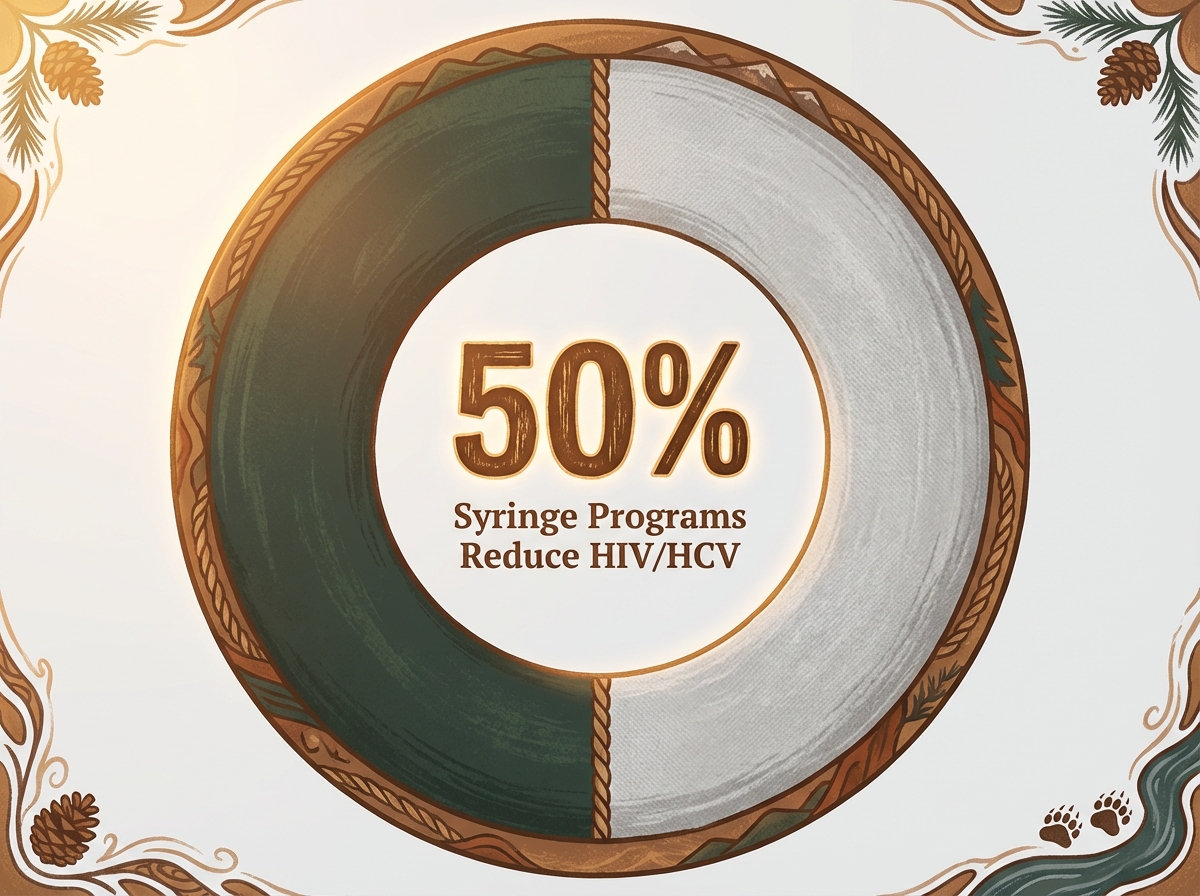
This path makes sense for organizations serving people who may distrust traditional healthcare or who struggle with complex life situations. Removing hurdles allows you to reach those at highest risk, including individuals facing homelessness, unstable housing, or mental health challenges. Research shows that low-threshold models increase engagement and improve outcomes, with syringe service programs reducing HIV and hepatitis C infection rates by about 50%.5
You might need to invest in flexible staffing, extended hours, or partnerships with local organizations to keep your doors open and welcoming. Time-wise, setting up a low-threshold program can take several weeks for staff training and community outreach, but every step toward accessibility brings long-term rewards. Next, let’s explore how to connect these access points with more structured clinical treatment, creating a seamless path for ongoing care.
Integrating Services with Clinical Treatment
- Identify all harm reduction techniques and clinical services offered onsite or in partnership
- Map out referral processes between low-threshold and clinical programs
- Standardize communication between harm reduction and clinical teams
- Schedule regular case reviews for shared clients
- Ensure documentation systems can track engagement across service types
Blending harm reduction techniques with clinical treatment isn’t just possible—it’s essential for real progress. When you connect syringe services, naloxone distribution, and drop-in supports directly with mental health counseling or medication-assisted treatment, you create a bridge that helps people move between support systems at their own pace. This approach is ideal for teams serving individuals with complex, co-occurring needs who might otherwise fall through the cracks.
A key step is to map both your harm reduction interventions and clinical offerings. Develop clear referral pathways so someone using your syringe exchange can access counseling or medication-assisted treatment without extra hurdles. Recent federal guidelines now recommend integrating harm reduction activities—like naloxone access and drug checking—within Opioid Treatment Programs, emphasizing patient-centered care and flexible engagement.9
Investing in cross-training staff, unifying documentation, and holding joint case reviews can take several weeks to set up, but it pays off in better continuity and fewer missed opportunities. Consider this route if your organization wants to keep people engaged no matter where they are in their recovery journey. Every small connection counts: research shows that when harm reduction and clinical services are linked, rates of treatment engagement and retention rise.1
Measuring Outcomes and Addressing Barriers
Data-Driven Results from Real Programs
- Are you measuring changes in overdose rates within your service area?
- Do you track engagement rates for syringe services or naloxone distribution?
- Is there data on transitions from harm reduction programs into clinical treatment?
- Are housing stability or infection rates part of your regular outcome review?
When you measure the real-world effects of harm reduction techniques, the numbers often speak for themselves. Syringe service programs have cut HIV and hepatitis C infection rates in half where they’re available, helping entire communities stay healthier.5 In Michigan, a naloxone distribution program reduced overdose deaths nearly five times faster than the national average after installing easy-access boxes—proving that simple interventions can spark dramatic change.4
| Intervention Type | Key Outcome Metric | Impact Observed |
|---|---|---|
| Syringe Service Programs | Infection Rates (HIV/HCV) | ~50% Reduction5 |
| Naloxone Distribution | Overdose Death Rate | 5x Faster Decline than National Avg4 |
| Housing First Models | Housing Retention | >90% Stability8 |
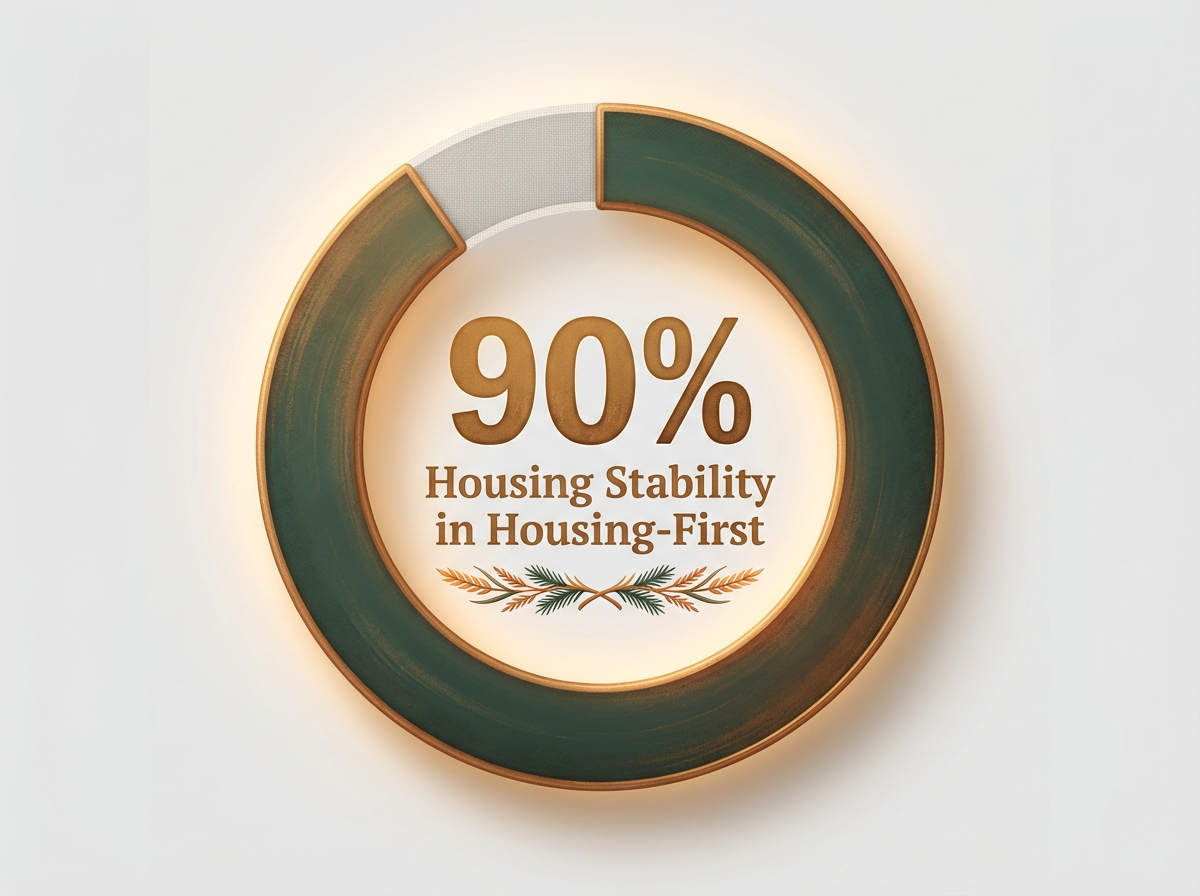
Housing-first models, which operate on harm reduction principles, show that over 90% of participants maintain stable housing, a foundational step toward long-term recovery.8 Keep in mind, tracking these outcomes takes a steady commitment: collecting data, reviewing trends, and celebrating even small improvements. This approach suits teams who want to see not just hope, but hard evidence that their work is saving lives and opening doors to recovery.
Navigating Stigma and Political Opposition
- Equip staff with talking points grounded in evidence and compassion
- Build partnerships with local leaders, advocacy groups, and those with lived experience
- Regularly share outcome data with policymakers and the public
- Prepare rapid responses to misinformation or negative media coverage
It’s no secret that harm reduction techniques often face strong stigma and political opposition, sometimes leading to funding cuts or outright program closures.10 You know these barriers can feel overwhelming—especially when misconceptions paint these life-saving interventions as enabling drug use rather than protecting health and dignity. Research consistently shows, however, that harm reduction techniques do not increase substance use but actually help more people engage in treatment over time.2
This approach is ideal for teams who want to move the conversation forward: sharing data, uplifting real stories, and connecting with unlikely allies can shift public perceptions. If your organization faces pushback, lean into transparency—invite community members to see your work firsthand and make your outcomes visible. Remember, every conversation you have chips away at stigma and helps protect essential services. Up next, let’s talk about how to answer the most common questions your staff and partners are likely to face.
Frequently Asked Questions
How do you transition someone from harm reduction techniques to traditional abstinence-based treatment?
Transitioning someone from harm reduction techniques to traditional abstinence-based treatment is a gradual, trust-building process. You start by honoring the individual’s autonomy—celebrating every step toward safety, like using naloxone or accessing syringe services. Research shows that as people experience nonjudgmental care, their likelihood of seeking detox or abstinence-based programs actually increases.2 When they express readiness, offer clear information about what abstinence-based treatment involves and help coordinate a warm handoff. This approach works best when you continue support during and after the transition, reinforcing that setbacks are part of growth and recovery is not a straight line. Your encouragement and consistent presence make all the difference.
What legal protections exist for staff implementing syringe service programs?
Legal protections for staff operating syringe service programs (SSPs) can vary widely depending on your state or locality. In many places, laws specifically authorize SSPs, shielding staff from prosecution for distributing syringes and related supplies as part of approved harm reduction techniques. Some states require registration with health departments, while others offer broader immunity for staff acting within the scope of public health programs. Unfortunately, gaps still exist—about one-third of U.S. states either lack clear legal protection or restrict SSP operations, which can put staff at risk of legal action.5 Always consult local statutes and work closely with legal counsel to ensure your team is protected while delivering life-saving services.
How do you address family concerns that harm reduction techniques enable continued use?
It’s natural for families to worry that harm reduction techniques might encourage continued substance use, but research consistently shows the opposite. These approaches focus on reducing harm and meeting people where they are, not giving up on recovery. In fact, when individuals access harm reduction programs, their chances of entering detoxification or traditional treatment actually increase—not decrease.2 You can reassure families by sharing that these interventions are evidence-based and grounded in compassion, dignity, and respect. Every step toward safety—like using naloxone or accessing clean syringes—is a win, and often builds the trust needed for lasting change.
What training do staff need before implementing drug checking services?
Before launching drug checking services as part of your harm reduction techniques, staff need specialized training that covers both technical and relational skills. First, ensure your team understands how to safely handle and analyze drug samples using tools like fentanyl test strips or spectrometers. Training should address how to interpret results, maintain confidentiality, and communicate findings in clear, nonjudgmental language. Federal guidelines now recommend integrating these services into Opioid Treatment Programs, so ongoing education on legal and ethical considerations is also key.9 This solution fits best for teams committed to providing accurate, stigma-free information and creating a sense of safety for all participants.
How do you document harm reduction techniques services for insurance reimbursement?
For insurance reimbursement, document harm reduction techniques by recording services in clear, clinical language—such as “syringe service encounter,” “naloxone training,” or “medication-assisted treatment session.” Link each service to a relevant diagnosis or procedure code, and ensure your notes highlight medical necessity, client engagement, and progress toward treatment goals. Many insurers require proof that harm reduction activities are integrated into an overall care plan, so connect these interventions to outcomes like reduced infection risk or increased treatment retention. Federal guidelines now encourage integrating harm reduction documentation into standard records for Opioid Treatment Programs, supporting reimbursement for these services.9
What’s the timeline for seeing measurable outcomes after launching a naloxone distribution program?
Programs distributing naloxone often see measurable outcomes within the first year, though the exact timeline depends on community size and program reach. For example, Michigan’s public naloxone box initiative saw a decline in overdose death rates nearly five times faster than the U.S. average shortly after launch—with the impact visible within months of distribution.4 This approach works best when naloxone is easily accessible and paired with ongoing education, allowing you to track data like overdose reversals and reduced fatalities soon after rollout. Keep celebrating each data point—every life saved is a win, and consistent tracking will highlight your program’s progress.
Your Path Forward with Compassionate Care
You’ve taken an important step by exploring treatment options, and that takes real courage. Recovery isn’t about following someone else’s timeline—it’s about finding the path that works for you, at your own pace. Whether you’re dealing with substance use challenges, mental health concerns, or both, you deserve care that sees you as a whole person, not just a diagnosis.
The journey ahead might feel uncertain right now, and that’s completely normal. What matters is that you’re here, seeking information and considering your options. Maybe you’re wondering if you’re ready, or if treatment will fit into your life. These questions show you’re thinking carefully about your next steps, and that’s a strength.
Compassionate care means meeting you where you are today. It means having support systems that understand your unique challenges and celebrate your progress, no matter how small. You don’t have to have everything figured out right now. What you need is a safe space to heal, professional guidance you can trust, and people who believe in your ability to move forward. You’re worth that investment.
References
- Harm Reduction Therapy: Review of Research. https://pmc.ncbi.nlm.nih.gov/articles/PMC3928290/
- The Truth About Harm Reduction – Facts from SAFE Project. https://www.safeproject.us/resource/the-truth-about-harm-reduction/
- Harm Reduction Strategies for People Who Use Drugs. https://jamanetwork.com/journals/jama/fullarticle/2830614
- Innovative naloxone distribution program shows promise. https://publichealth.berkeley.edu/articles/spotlight/research/naloxone-distribution-program-shows-promise
- Syringe Access Resources – National Harm Reduction Coalition. https://harmreduction.org/issues/syringe-access/
- Overdose Prevention Centers: State of the Law. https://drugpolicy.org/wp-content/uploads/2024/04/DPA-OPC-Legal-Risk-Analysis-Updated-December-2024.pdf
- Overdose Prevention Centers. https://harmreduction.org/issues/overdosepreventioncenters/
- Housing First. https://www.hcd.ca.gov/grants-funding/active-funding/docs/housing-first-fact-sheet.pdf
- Federal Guidelines for Opioid Treatment Programs. https://www.med.unc.edu/fammed/nctac/wp-content/uploads/sites/1256/2025/01/federal-guidelines-opioid-treatment-pep24-02-011-1.pdf
- Global State of Harm Reduction: 2025 Update to Key Data. https://hri.global/publications/global-state-of-harm-reduction-2025-update-to-key-data/